
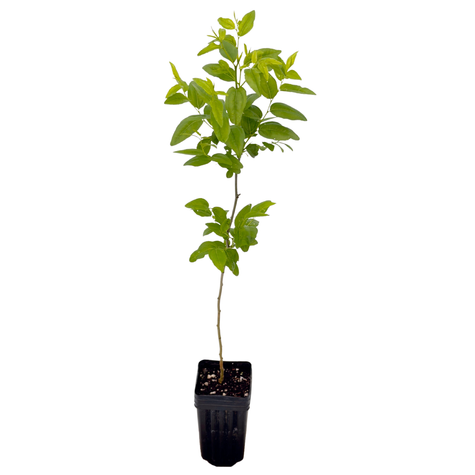
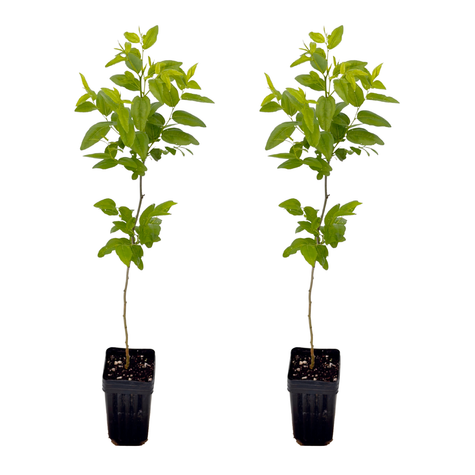
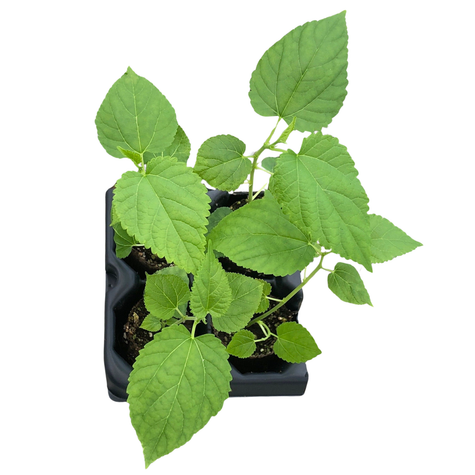
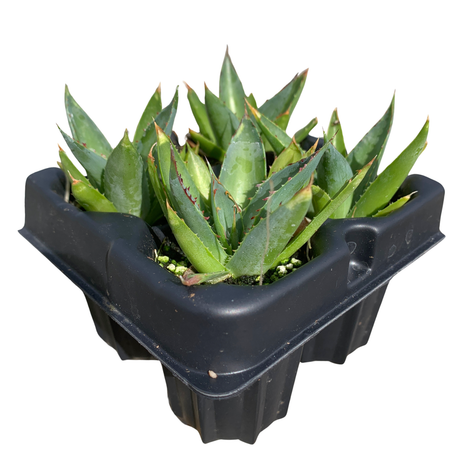
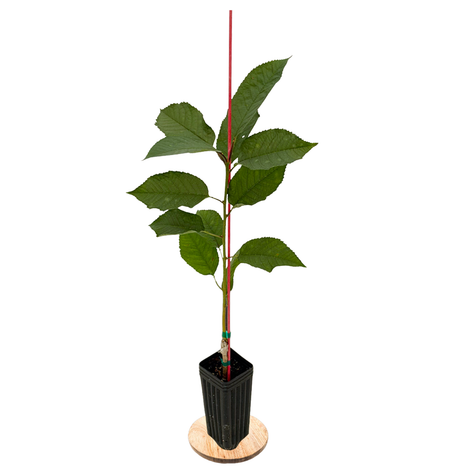
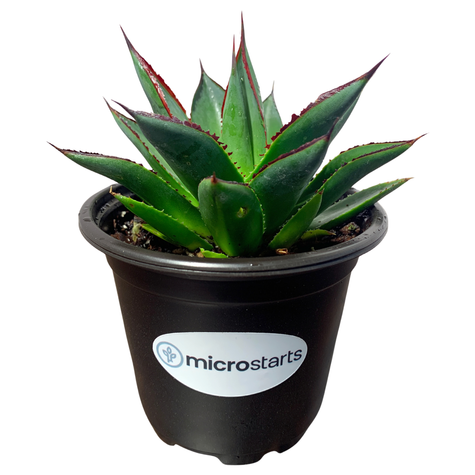
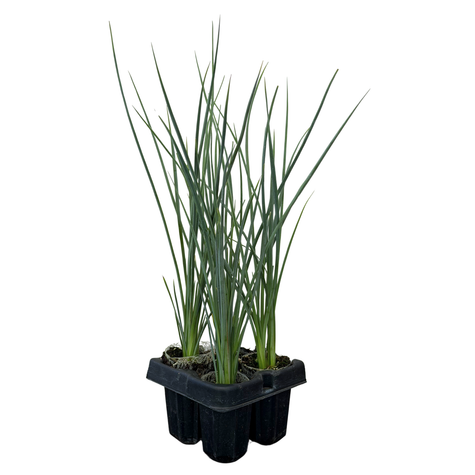
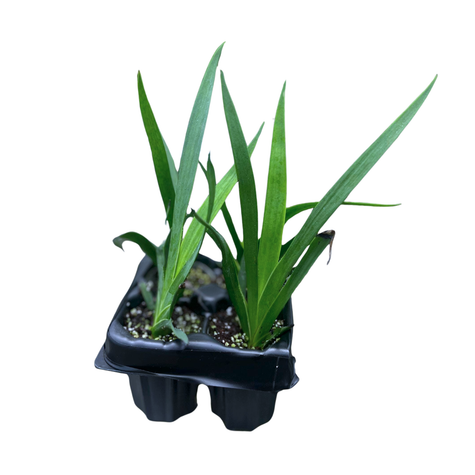
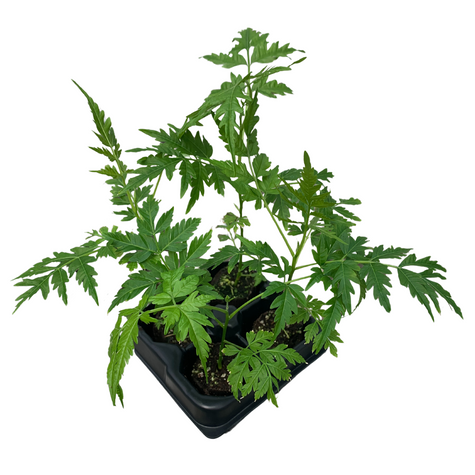
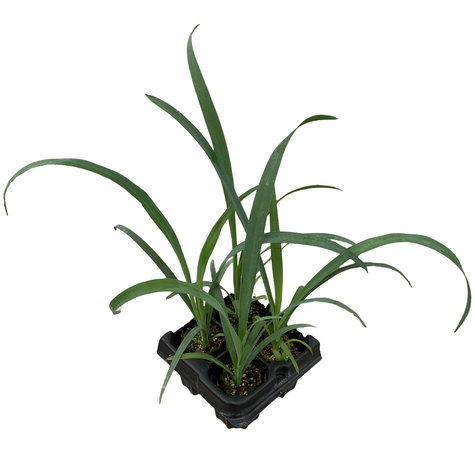
If you read our introduction to tissue culture, you already know the basics: tissue culture plants are clones of their parent variety that are grown in a sterile lab environment, free from pathogens. That's a great foundation - but when it comes to fruit trees and fruiting shrubs, the stakes are higher, and the advantages of tissue culture run even deeper.
Here's why the way your fruit plants start matters more than you might think.
Disease-Free Isn't Just a Marketing Term

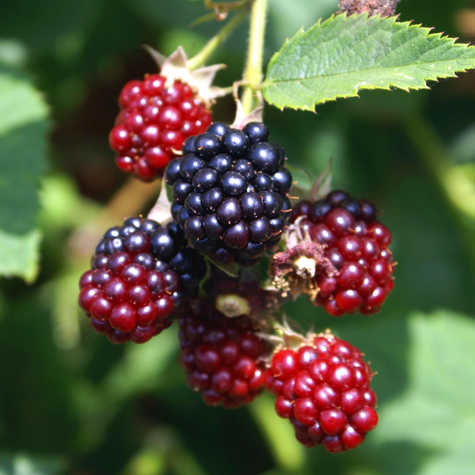
A blackberry plant might fruit in its second year. A jujube or mulberry tree could take two to five years before it bears a meaningful harvest.
That timeline is exactly why the quality of your starting material matters so much. Any pathogen, virus, or genetic inconsistency that comes with your plant isn't just a problem today: it's a problem that compounds over years of growth. A virus that reduces vigor by 20% doesn't just cost you this season - it costs you every season. Tissue culture removes that risk at the source.
Conventional propagation - cuttings, layering, grafting - carries a real risk of transmitting problems from parent plants to offspring. Many of the most damaging diseases affecting fruit trees and shrubs are invisible in young plants and only reveal themselves once the plant is established.
Some of the most common culprits:
- Viruses: Fruit trees are particularly vulnerable to systemic viruses that travel with the plant material itself. Apple mosaic virus, cherry leaf roll virus, and blackberry yellow vein disease are just a few examples of pathogens that can suppress fruit production, reduce fruit quality, and shorten the productive life of a plant - all without obvious symptoms in a young, more traditionally produced starter plant.
- Crown Gall: Caused by soil bacteria, crown gall is a persistent problem for stone fruits, apples, and cane berries. It enters through wounds and causes tumor-like growths at the base of the plant that interfere with water and nutrient uptake. Plants established in field soil, such as bare-root trees, may be exposed to these bacteria during production. In contrast, tissue-cultured plants are propagated in sterile laboratory conditions, significantly reducing the risk of exposure.
- Fungal and Bacterial Pathogens: Conventional nursery stock grown in open greenhouses or outdoor beds can pick up soil-borne pathogens that hitchhike their way into your garden. Because tissue culture plants start sterile and stay in controlled conditions, they arrive without that baggage.
True-to-Type Genetics: It Really Matters

With a houseplant, off-type genetics might mean slightly different leaf color or growth habit - disappointing, but not the end of the world. With a fruit tree or fruiting shrub, it can mean years of waiting for a plant that produces the wrong fruit entirely, or no fruit at all.
Tissue culture plants are clones of a verified, high-performing parent. When you order a specific blackberry variety, a named banana cultivar, or a particular cherry, you're getting exactly that variety. The flavor profile, fruit size, harvest window, growth habit, and chill hour requirements will all be what you expected.
That certainty is hard to put a price on when you've already committed the time, space, and patience it takes to grow a fruit tree.
A Note on Grafted Fruit Trees

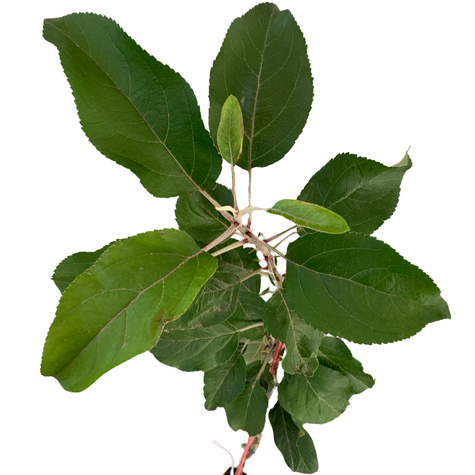
Some of our fruit trees, such as apples and cherries, are grafted, meaning a named scion variety is joined to a separate rootstock. This is standard practice in the fruit tree industry because different rootstocks offer different benefits: dwarfing characteristics, improved disease resistance, or better performance in specific soil types.
What makes our grafted trees different is that the rootstock itself is tissue culture-produced. That means the foundation your scion is grafted onto is just as clean and disease-free as the rest of the plant. It's not a field-grown rootstock that's spent years in open soil: it's a precision-produced starting point built to support your tree for decades.
As always, any grafted trees in our catalog will be clearly labeled in their Plant Characteristics section.
What About Time to Fruiting?
We covered this in our tissue culture FAQ, but it's worth reiterating here: tissue culture does not generally delay fruiting compared to other forms of clonal propagation.
Because tissue culture plants are propagated from mature plant genetics - not seeds - they've already passed through their juvenile phase. The variety is developmentally ready to flower and fruit as soon as the plant has the size and resources to support it. That puts tissue culture on equal footing with cuttings, divisions, or grafts in terms of time to first harvest.
Where you'd see a longer wait is with seed-grown plants, which have to go through that juvenile period on their own before they're developmentally capable of fruiting. Seed-grown Pakistani Mulberry trees, for example, can take up to a decade to produce. Our tissue culture trees start from mature genetics and skip that wait entirely.
Starting Right Pays Off
The practical case for tissue culture in fruit production comes down to this: you're not just buying a plant. You're buying several years of your own time and effort, and the expectation of a real harvest at the end of it.
Tissue culture gives you the best possible foundation for that investment - disease-free, genetically verified, and built to perform from the start.
Browse our full Edible Trees and Shrubs collection to see what's currently available.
Frequently Asked Questions

Can tissue culture fruit trees handle the same growing conditions as conventionally grown trees?
Yes. Once established, a tissue culture fruit tree grows, fruits, and behaves exactly like any other tree of the same variety. Tissue culture is a propagation method, not a permanent growing condition. The main adjustment period is right after planting, when any young tree, regardless of how it was propagated, needs time to settle into its new environment and build out its root system.
Will fruit trees from tissue culture still produce suckers?
Not in the same way grafted trees do. “Suckers” typically refer to shoots that emerge from below the graft union - growth coming from the rootstock rather than the desired variety, or just to any unwanted shoots from the base of a tree. Because tissue-cultured trees are grown on their own roots, there is no graft point or separate rootstock involved. As a result, they don’t produce true rootstock suckers, and any new shoots that do appear will be the same variety as the main plant, making them far less problematic. This means less ongoing maintenance and no need for constant sucker removal. An added benefit is that if the tree ever dies back to the roots, any regrowth will remain true to the original variety you purchased.
My local nursery sells the same varieties for less. What am I actually paying for with tissue culture?
Conventional nursery stock is often field-grown or produced in open greenhouses where exposure to soil-borne pathogens, viruses, and pests is difficult to control. The price of tissue culture fruit trees reflects the cost of a sterile production environment, verified parent material, and a significantly lower disease risk. Whether that matters to you depends on how much you're willing to gamble on a plant you'll be tending for the next decade or more.
Do pollination requirements change with tissue culture?
No - pollination requirements are determined by the variety, not how it was propagated. A self-fertile blackberry is still self-fertile. A variety that requires a second tree for cross-pollination still requires one. We note pollination requirements in the product description for any variety where it's relevant, so check there if you're unsure.
Can I propagate my own cuttings from a tissue culture fruit tree?
Yes, and this can be one of the benefits of tissue culture. Because our plants are grown on their own roots and are genetically true to the variety, any cuttings you take will be true to the variety as well. The one exception is our grafted fruit trees: cuttings taken from the scion portion will be true to that variety, but any growth from below the graft union (the rootstock) will not.
However, many of MicroStarts’ tissue-cultured plants are not well-suited for propagation by cuttings, so success rates can be low depending on the specific variety.
How do tissue culture fruit trees handle shipping compared to bare-root or balled-and-burlapped trees?
Our trees ship either in soil plugs or in their pots, and are packaged with care to ensure that they are delivered happy and healthy. Young tissue culture starter plants are actually well-suited to shipping because they're small, lightweight, and not carrying a heavy soil mass. They do arrive in a relatively young state, so the key is getting them into good soil and appropriate conditions promptly after arrival. We include care instructions with every order, and our Starter Plant Care Guide and Young Tree Care Guide walk you through the transition step by step.
Will tissue culture fruit trees produce the same fruit quality as a mature tree of the same variety?
Once fully mature, yes: fruit quality, flavor, and size are determined by variety genetics and growing conditions, both of which are preserved in tissue culture. In the first few productive years, as with any young tree, fruit size and yield will ramp up as the tree matures and builds more canopy and root mass. That's normal for any fruit tree, not specific to tissue culture.

