
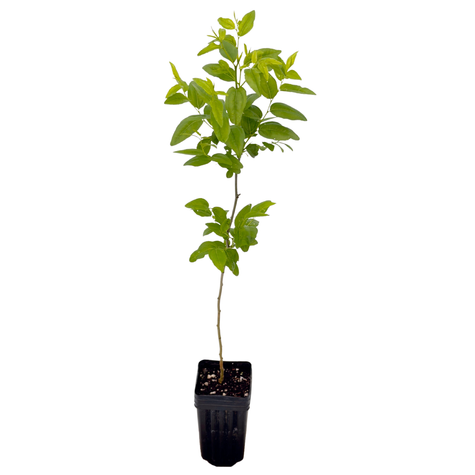
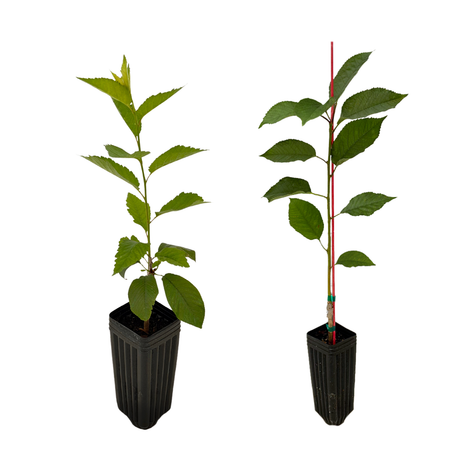
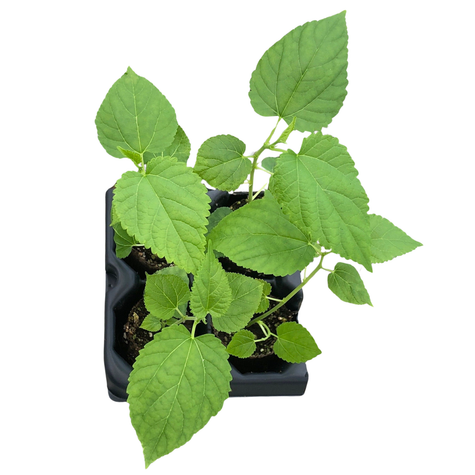
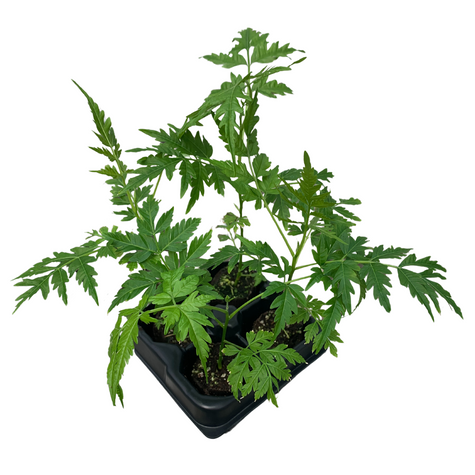
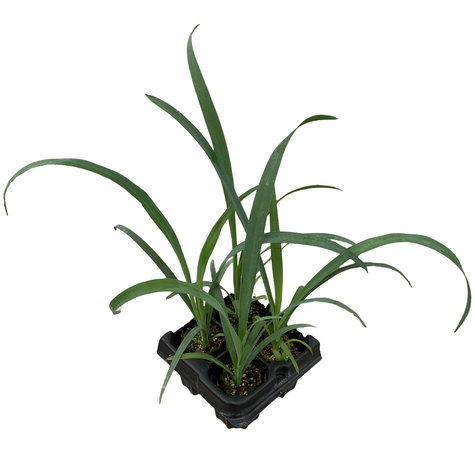
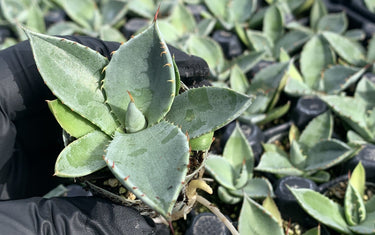
How to Care for Drought Tolerant Plants: Planting and Growing Guide

Every thriving low-water favorite starts with a small, young plant. MicroStarts’ drought-tolerant collection is not different - each plant needs the right care and attention in their first days and weeks to establish strong roots, adjust to their new home, and grow into healthy, mature plants.
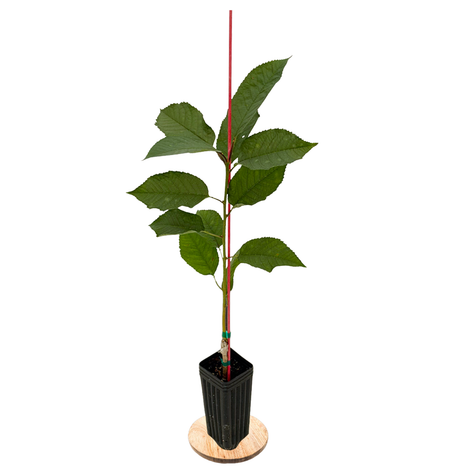
Whether you're planting a drought-tolerant landscape variety, a houseplant, or a fruit or nut tree, early care makes all the difference. With the right steps, your new plant will settle in quickly and reward you with years of growth.
This guide will cover general steps for acclimating your drought-tolerant plant to its new home. However, keep in mind that care needs may vary depending on plant species and climate - consult product listings and reputable care sources for additional information.
Why Early Plant Care Matters
The first few days after receiving a new plant are critical, as this is when your plant will transition from nursery conditions to those of its new home. Shipping stress, unfamiliar light levels, and new temperatures can all take a toll on a young plant before its roots are established. A little extra attention in the first few weeks helps your plant recover quickly and start growing with confidence.
Steps for Drought Tolerant Plant Care

1. Carefully unpack your plant
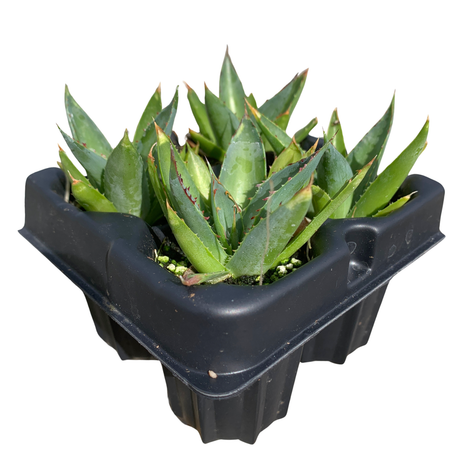
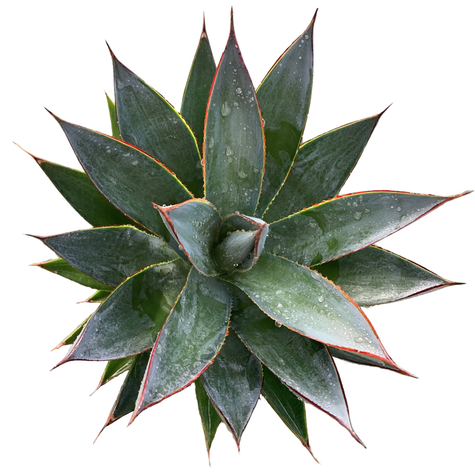
Gentle handling prevents transplant shock. Take care when removing packaging, and keep in mind that some drought-tolerant plants - like agave - may have sharp spines, so handle them with caution.
2. Check soil moisture
Check the soil as soon as your plant arrives. If it's still moist, hold off on watering. If it feels dry, water thoroughly to help rehydrate the plant after its journey.
3. Consider season and climate
Timing matters. The ideal time to introduce young plants to outdoor conditions is in spring, after the risk of frost has passed. Depending on when your plant arrives:
- Summer: protect it from extreme heat until it has fully acclimated.
- Fall: in mild climates, fall planting can actually work in your favor for landscape varieties, giving roots time to establish over winter ahead of spring growth.
- Winter: protect your plant from cold temperatures and provide shelter until conditions are right for gradual acclimation in spring.
4. Slowly acclimate to outdoor conditions
Transition your plant to the outdoors gradually to reduce stress and allow it to adjust properly. With each step, increase its exposure to sunlight and outdoor conditions a little at a time.
Once your plant is fully acclimated and the season is right, it's ready for permanent outdoor planting.

5. Choose the right planting location
Before you plant, consider your plant's mature size and make sure it will have enough room to grow, both up and out! Some varieties are well-suited to containers or compact spots near structures and walkways, while others need more open space. Spiny plants, including many agave varieties, are best kept away from high-traffic areas.
6. Monitor your plant
Keep an eye out for signs of stress as your plant settles in, such as wilting, discoloration, or pests. Catching issues early makes them much easier to correct.
At MicroStarts, we know drought tolerant plants, and we’re always happy to help. If you have questions about your specific plant, don’t hesitate to reach out at support@microstarts.com!

