How to Care for Tropical Plants - Planting & Growing Guide
How to Care for Tropical Plants: Planting and Growing Guide
When welcoming a new tropical plant into your home, a little attentive care in the first few weeks sets the stage for years of lush growth. Tropical plants arrive from very different growing conditions than the average home, so those early days matter more than people expect. Getting the basics right - moisture, light, temperature - helps your plant settle in fast and put out strong new growth.
Whether you've picked up a houseplant for your living room or for a shadier corner of the yard in warmer regions, the same core principles apply. Take a bit of care upfront, and your plant will pay you back many times over.
This guide walks through the basics of settling in a new tropical plant. That said, individual species and climates vary quite a bit, so it's worth checking the specific listing for your plant and doing a little extra research if you're unsure.
Why Early Plant Care Matters
Your plant just went through a move - literally. It's leaving the humidity, light, and temperature of a nursery environment behind and adjusting to whatever your home or garden offers instead. Add in the stress of shipping, and a young plant's roots need time to catch up before it can really thrive. A bit of patience and attentiveness in those first few weeks goes a long way toward a smooth transition.
Steps for Tropical Plant Care
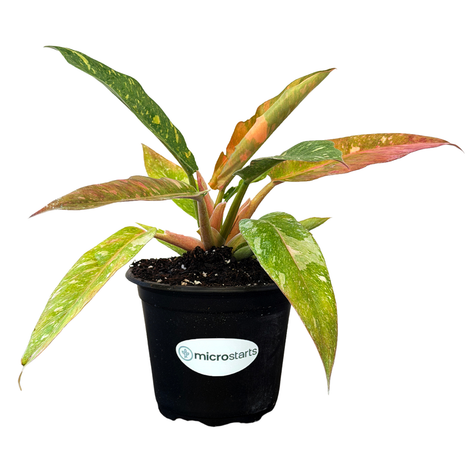
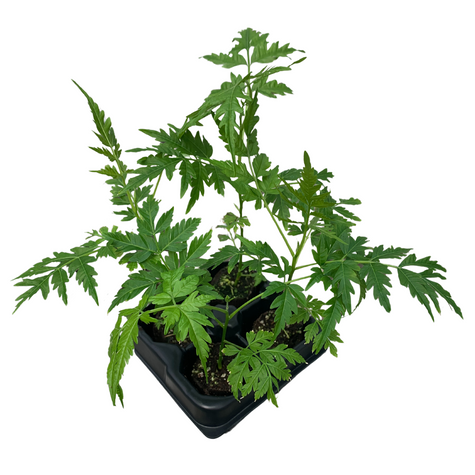
MicroStarts White Wizard Philodendrons.
1. Unpack with care
Handle your plant gently as you remove packaging to avoid transplant shock.
2. Check soil moisture
Check the soil as soon as your plant arrives. If it's still moist, hold off on watering. If it feels dry, water thoroughly to help rehydrate the plant after its journey.
3. Decide if outdoor acclimation applies to you
Keeping your plant indoors? You can skip outdoor acclimation entirely. Subtropical - and some tropical - plants can live outside in USDA Zones 9 to 11. If you're planning to plant outdoors, take some time to research your specific plant's needs and your local climate so you know what to expect.
Wait until you see new growth before starting acclimation - plants can sunburn if pushed outside too soon.
4. Factor in the season
Timing makes a big difference. Spring, once the risk of frost has passed, is the best time to move young plants outdoors. Depending on when your plant arrives:
Summer: shield it from intense heat.
Winter: most tropical plants won't survive a hard freeze. Corm-forming types, like alocasia, may bounce back in spring depending on how mild or harsh your winter is.
5. Ease into outdoor conditions gradually
Move your plant outdoors in stages rather than all at once - this reduces stress and gives it time to adjust. Increase its sun and outdoor exposure a little more with each step.
Once it's fully acclimated and the season cooperates, it's ready to stay outside for good.
Heads up: plants moving to a drier climate may drop all their leaves in the process. Don't worry - the new leaves that grow in will be better adapted to their new environment.
6. Keep an eye on it
Watch for wilting, discoloration, or pests as your plant adjusts to its new home. The sooner you catch an issue, the easier it is to fix.
At MicroStarts, we know tropical plants, and we're always happy to help. If you have questions about your specific plant, don’t hesitate to reach out at support@microstarts.com!
Over 2,000 Plants Delivered & Growing Strong
Need help getting started? Get personalized advice from our plant experts