
The rooms you remember usually have one thing that stands out, like a piece of art, a chair, a view. Plants can do the same, but they’re often scattered and fade into the background. Give one bold plant a clear spot, and it becomes a focal point instead of filler.
That’s the idea behind a “statement” plant. Not more plants, just better placement and a bit more intention. In this guide, we’ll look at what makes a plant stand out, how to use it in a space without it feeling cluttered, and a few varieties that tend to do this especially well.
Quick Answer

A statement houseplant is simply a plant chosen for visual impact - bold color, strong contrast, or a distinctive shape - that can hold its own in a space. Instead of blending in, it gives the eye somewhere to land.
In the world of houseplants, there’s a lot of strong contenders for this role, but the key is using them intentionally. One strong plant in the right spot usually reads better than several competing for attention.
What Is a “Statement Houseplant”?

While the term “statement plant” may conjure the current rare, trending ones, the best statement plants are about presence, regardless of rarity. It’s a plant that naturally draws attention, usually because of one or more of the following:
- High-contrast variegation (white, cream, yellow, or pink against green)
- Unusual or saturated color
- Distinctive leaf shape or structure
- Enough size or density to stand on its own
Unlike filler plants, which add general greenery, these plants set the tone of a space, and don’t need to flower to stay interest.
The Best Statement Houseplants, by Role
It helps to think of plants in terms of what they’re doing in a space, rather than just what they are.
Sculptural Anchor (floor or large surfaces)

These are the larger, more architectural plants that hold down a corner or define part of a room.
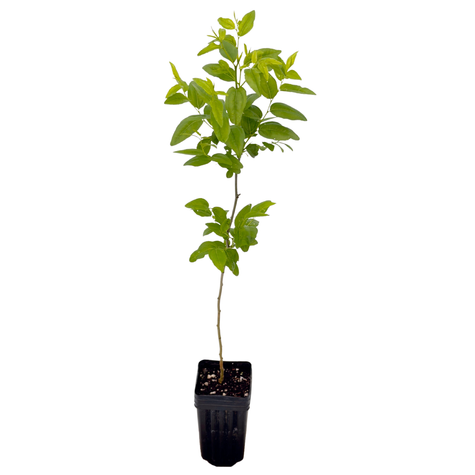
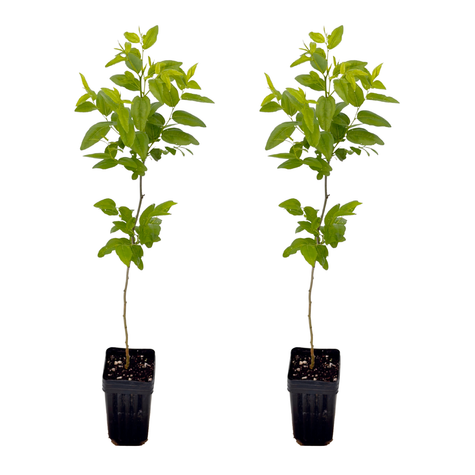
- Variegated Council Tree - upright, tree-like growth with broad, variegated leaves
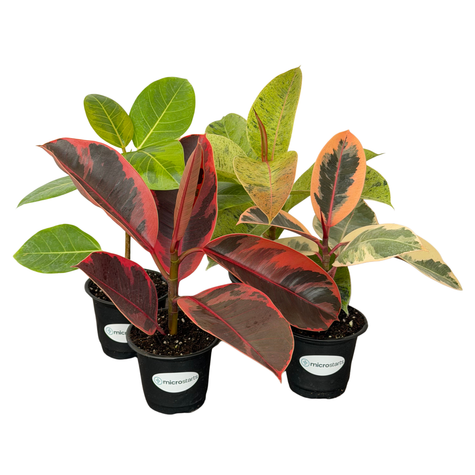
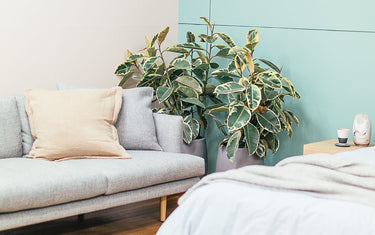
- Tineke Rubber Plant - structured growth with cream and green variegation
These work best when they’re given some space, but aren’t crowded - such as against a wall or near furniture.
Focal Point (tabletops, shelves, eye level)
Smaller than anchors, but visually strong enough to stand alone where people naturally look.
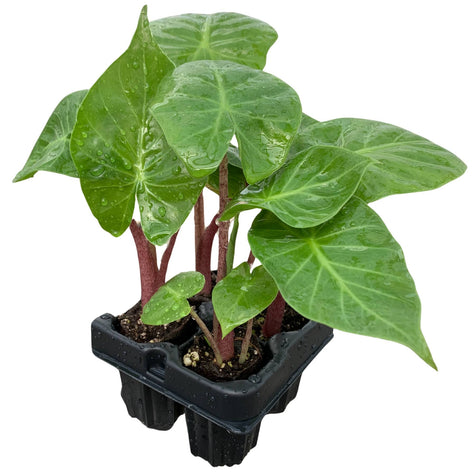
- Pink Dragon Alocasia - dark green, textured leaves with contrasting pink stems
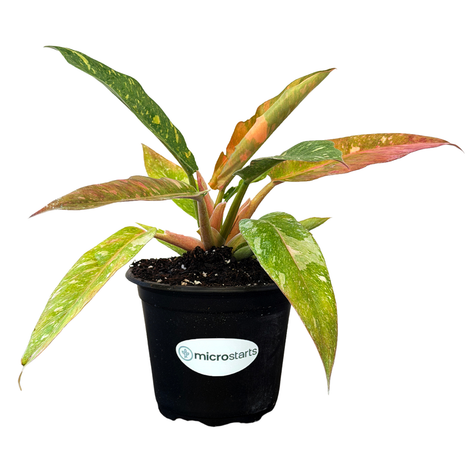
- Variegated Philodendron Ring of Fire - lobed leaves that shift in color as they mature
- Red Ruby Rubber Plant - pink-toned variegation that reads clearly from a distance
These tend to work best when the pot and surroundings are kept simple.
Textural Support (groupings and shelves)

These plants don’t need to dominate. Instead, they compliment plants in their surroundings and help the overall design feel more intentional.
- White Wizard Philodendron - clean white-and-green contrast
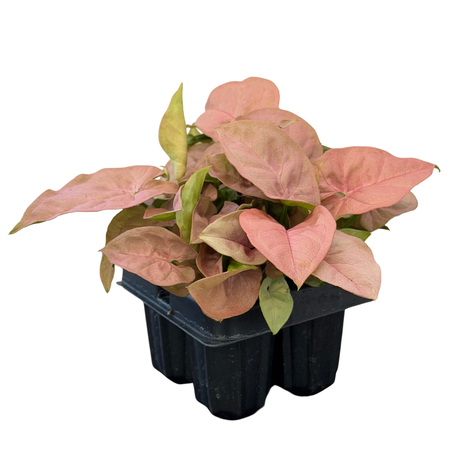
- Pink Syngonium - softer shape and color, good for edges or trailing
- Shivereana Moonshine Rubber Plant - more subtle, speckled variegation
Grouping two or three of these at different heights usually feels more natural than lining them up evenly.
Conversation Piece (something a little unexpected)

The goal of the conversation piece plant isn’t to perfectly fit in, but to stand out and be noticed.
- Mila Pineapple (coming soon!) - compact plant with variegated foliage and a small ornamental fruit
It works best on its own, where it doesn’t have to compete with anything else.
How to Use Statement Plants Without Overdoing It
One strong plant per sightline is usually enough
- Repeating a color elsewhere (textiles, art) helps it feel intentional
- Match the plant size to the surface it’s on
- Keep pots relatively simple so the foliage stands out
When grouping, vary height and spacing rather than making things symmetrical
Frequently Asked Questions
What’s a good statement plant if you don’t want something high-maintenance?
Rubber trees (Tineke, Ruby, Shivereana) and Syngonium are generally more forgiving while still having strong visual appeal.
What if you want more color?
Philodendron ‘Ring of Fire’ and Ruby rubber tree tend to show the most variation. The pineapple adds color plus a different form.
How many statement plants should a room have?
Usually one main plant, with one or two supporting plants if needed. More than that can start to feel crowded unless the space is large.
Do they need a lot of light?
Most benefit from bright, indirect light, especially variegated plants. Lower light won’t kill them, but the color may fade.
Are variegated plants harder to care for?
Not necessarily - they just need a bit more light and tend to grow more slowly.
The Bottom Line
You don’t need a large collection to make a space feel finished. One or two well-placed plants, chosen for their form and placement, can do more than a shelf full of smaller pieces. The key is selecting plants that hold attention without competing, creating a sense of balance throughout the space.
Not sure where to start? Our plant care team is ready to help at support@microstarts.com.

