
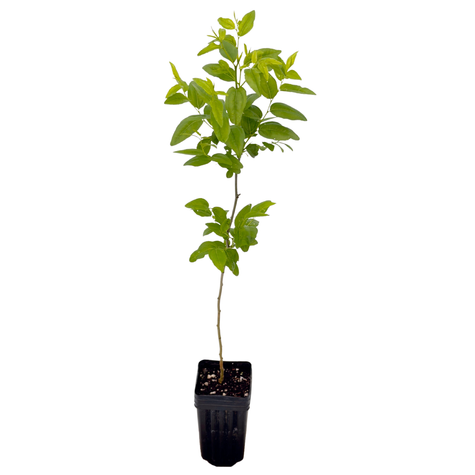
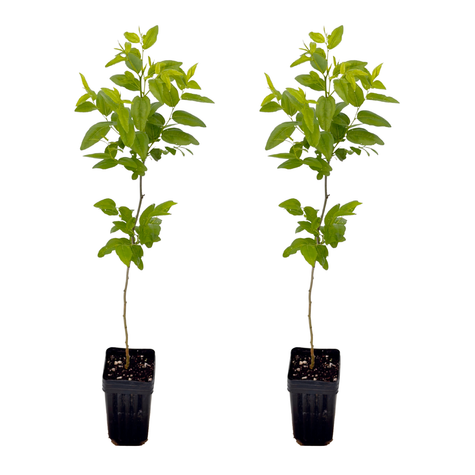
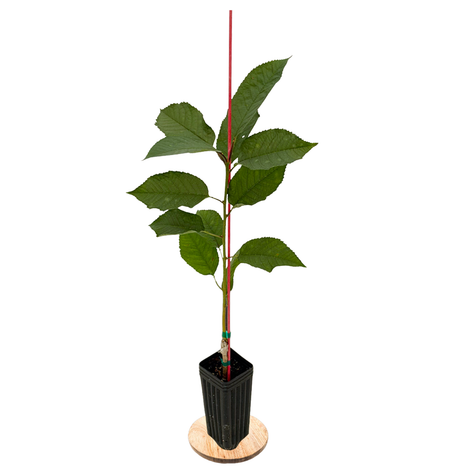
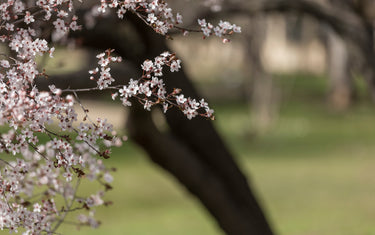
If you've been eyeing sweet cherry trees for your yard, you may have noticed that MicroStarts offers different varieties in a set. It’s not a sales gimmick - it's biology. Sweet cherries are notoriously picky about pollination, and picking the wrong single tree can mean years of pretty blossoms and zero fruit.
Here's what you need to know about four of our most popular varieties - Stella, Lapins, Sweetheart, and Bing - and how to combine them for a reliably heavy harvest.
Why Cherry Pollination Matters
Unlike some fruit trees, many sweet cherry varieties can't fertilize their own flowers. Even with plenty of bees working the blossoms, a self-unfruitful variety planted alone will bloom beautifully and never set fruit. Add a compatible second variety nearby, with overlapping bloom time, and the bees do the rest.
The good news: a handful of modern varieties solve this problem for you. They're self-fertile, meaning a single tree sets a full crop on its own, and as a bonus, can usually act as a pollen source for other cherries growing nearby too.
First - if you missed our apple pollination blog - a refresher on key fruit tree pollination terms:
- Pollination: pollination is when pollen successfully fertilizes a flower, and is the first step towards that flower turning into a fruit
- Pollinizer: a cherry variety that provides compatible pollen to another cherry tree
- Pollinator: the means by which pollen is transferred from one tree to another (usually a flying insect)
- Self-sterile (a.k.a. not self-fruitful): if a cherry tree is self-sterile, it means that their flowers cannot be fertilized by their own pollen
- Self-pollinating (a.k.a self-fruitful): unlike self-sterile cherry trees, self-pollinating trees can be pollinated by their own pollen and produce fruit without a pollinizer tree

The Four Varieties
Stella

One of the original self-fertile sweet cherries, Stella was specifically bred by Canadian researchers to help simplify cherry pollination. Stella - and most other self-fertile varieties that came after it, like Lapins and Sweetheart - are commonly referred to as a “universal” pollen donor, as they can pollinate most other sweet cherry varieties that bloom during its bloom window. Stella produces large, dark, richly flavored fruit on a single tree with no partner required. It's an easy, dependable choice if you only have room for one cherry tree.
Lapins

Lapins is one of the most widely planted sweet cherries in North America for good reason, particularly in cooler climates. Lapins produces large, firm, dark-red cherries that ripen in early to mid-summer. Also self-fruitful, Lapins is a great pick if you are looking for a reliably productive tree that covers its own pollination needs, and especially if you are looking for a mid-season pollinizer to pair with an existing tree.
Sweetheart

The third self-fertile variety on this list, known for its heart-shaped, sweet, late-season fruit. Sweetheart blooms a bit later than Stella and Lapins, which makes it a nice way to extend your harvest window. Like the others, it can set fruit alone but also serves as a compatible pollen source for nearby cherries with overlapping bloom time.
Bing

The classic, deep-red, richly flavored cherry most people picture when they think "sweet cherry", having been popular with commercial and home growers alike in the Western Hemisphere for decades. Unlike the three varieties above, Bing is self-unfruitful, requiring a compatible partner tree nearby to produce a crop at all (Stella, Lapins, and Sweetheart are generally reliable pollinizers, though reports indicate Stella’s reliability may vary by region).
Bloom Time & Pollination Compatibility
As with apple trees, compatible bloom time is essential for one cherry tree to successfully pollinate another. If one tree finishes blooming before another’s petals have even opened, pollinators won’t be able to visit the two trees on the same trip, meaning no pollen will be transferred between the two trees and that pollination will not take place. Bing, Lapins, Sweetheart, and Stella all bloom mid-season (compared to early or late), and therefore have a compatible bloom time (though as noted above, Stella’s performance may vary across growing regions).
Two cherry trees - specifically, the alleles in their pollen and pistils - must also be genetically compatible in order for pollination to occur. As Stella, Lapins, and Sweetheart are all self-fertile, they do not require another pollinizer tree to successfully set fruit. However, Bing does - and Stella, Lapins, and Sweetheart are all genetically compatible. Common examples of incompatible cherry trees include Regina and Van and Bing and Royal Ann.
Putting Together a Pairing

If you only have room for one tree, plant Stella, Lapins, or Sweetheart on its own, as all three will fruit reliably without a partner.
If you have room for two or more trees, considering pairing multiple self-fruitful varieties, such as Sweetheart and Lapins, Stella and Lapins, or Sweetheart and Stella.
If Bing is on your list (and for many home growers, it is - that classic flavor is hard to pass up!), it needs company. Pair it with Lapins, Sweetheart, or Stella, all of which generally bloom in a compatible window and can cross-pollinate Bing.
A few general tips regardless of variety:
- Plant partner trees within 20-30 feet of each other so bees can move easily between them.
- Choose varieties with overlapping bloom times - all four of these varieties bloom in the same general window, so any of the pairings above will work.
- Even self-fertile varieties benefit from a second tree nearby. More pollen sources generally means a heavier crop, even when it isn't strictly required.
- Remember that bloom times vary by region based on climate, elevation, and differences in weather. For varieties that require a pollinizer, read up on how varieties perform in your area for the best chance of success.
- Cool, wet, or windy weather during bloom can reduce fruit set no matter how well-matched your trees are, since bees fly less in poor conditions.
Which Pair Is Right for You?
- Want the easiest possible setup? Plant a single Stella, Lapins, or Sweetheart and skip the pairing question entirely.
- Want that classic Bing flavor? Pair it with Lapins, Sweetheart, or - generally - Stella for reliable fruit set.
- Want a longer harvest window? Combine an earlier-blooming variety like Stella or Lapins with the later-ripening Sweetheart for an extended crop.
However you plant them, sweet cherries reward a little upfront planning with years of home-grown fruit. Browse our current cherry value packs to find a pairing that fits your space and taste.
Not sure which cherry varieties are right for you? Reach out to our support team! Our knowledgeable team is here to help you choose the right varieties for your region and guide you toward healthy, thriving trees.
Frequently Asked Questions
Do I need two cherry trees to get fruit?
It depends on the variety! If you’re growing a self-fertile tree like Stella, Lapins, and Sweetheart, you can expect fruit without a second tree (though fruit set is generally improved with additional pollinizers). Self-unfruitful varieties like Bing do require a second compatible tree to produce fruit.
Is Bing cherry self-pollinating?
No. Bing is self-unfruitful and requires a compatible partner variety nearby, such as Lapins or Sweetheart, to set fruit.
Can Stella pollinate Bing?
It can, but success can vary by region. Stella is self-fertile and pollinates most other sweet cherries, but reports of its performance with Bing vary. If you are planting Stella and Bing, you might consider planting Lapins or Sweetheart for additional pollination support.
What is the best pollinator for Bing cherry trees?
Lapins or Sweetheart. Both are self-fertile, bloom at a compatible time, and reliably cross-pollinate Bing.
How close together should I plant two cherry trees for pollination?
Within 20-30 feet of each other, so bees can move easily between blossoms.
Which cherry variety is best for a small yard with only one tree?
Stella, Lapins, or Sweetheart, since all three are self-fertile and don't require a second tree to produce fruit.
Does planting a second tree help even a self-fertile cherry?
Yes. Self-fertile varieties don't need a partner, but a compatible second tree nearby can increase fruit set by providing extra pollen sources.

