

Some plants catch your attention because of their flowers, others for their size, color, or foliage. However, some of the most memorable plants in the garden are those that look like they could have been designed by an artist: think intricate white markings, geometric patterns that seem almost too perfect to be natural, and unusual foliage that twists and curls.
Agaves are particularly known for showcasing these characteristics. From the beautifully symmetrical markings and details on Queen Victoria and King Ferdinand Agave to the twisting ridges of Twisted Tongue Agave, these plants demonstrate just how extraordinary natural plant patterns can be.
Why Some Succulents Look So Different
While some might picture succulents as simple green, symmetrical plants, certain varieties feature intricate patterns, contrasting colors, and distinctive growth habits that bring whole new meaning to the term “ornamental.” Some of these characteristics are the result of naturally occurring features of the plant, while others are associated with selective breeding and the development of distinctive cultivars.
A few of the most visually interesting characteristics to look for include:
- Variegation: Some plants feature multiple colors throughout their foliage, creating distinctive patterns that can range from subtle stripes to dramatic splashes of contrasting color.
- Unusual Leaf Shapes: Twisted, curled, wavy, or irregular leaves give certain succulents an unexpected dramatic edge.
- Leaf Markings: Some agaves have contrasting lines, ridges, and markings that trace the natural contours of their leaves, creating an almost painted appearance. This can be the result of natural coloration, or can be caused by imprinting - when leaves are tightly pressed together in their younger stages, leaving an “imprint” on surrounding leaves
The appeal of these plants is that their beauty isn't dependent on flowering. Their foliage is the main attraction, providing visual interest throughout the growing season and often year-round.
Agaves That Look Like Living Sculptures
If there's one group of succulents that deserves special recognition for its artistic qualities, its agaves. Their natural symmetry is complemented by their wide range of colors and distinctive leaf markings on certain showy varieties, which can make them some of the most visually interesting plants you can grow.
Queen Victoria Agave: A Masterpiece of Natural Geometry
Queen Victoria Agave is one of the best examples of just how intricate natural plant patterns can be.
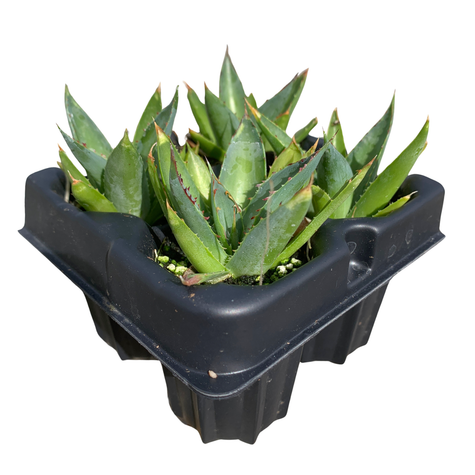
Compact and symmetrical rosette, this agave is coveted for its dark green leaves decorated with striking white markings. These markings follow the contours of the foliage, creating delicate lines and geometric patterns that can almost look hand-painted.
Queen Victoria Agave is a wonderful choice for collectors who appreciate plants with intricate details. It's also an excellent statement plant for containers, rock gardens, and carefully designed succulent landscapes.
King Ferdinand Agave: Intricate Details With Dramatic Appeal
King Ferdinand Agave are another beautiful example of an agave that could have been hand-painted.
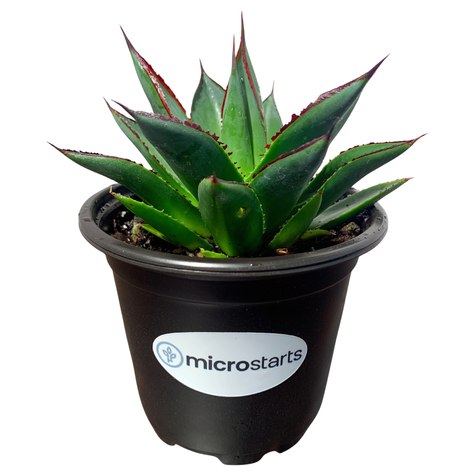
Like Queen Victoria Agave, it is appreciated for its compact growth and distinctive white markings against darker green foliage, all set off by dark red to black spines at their tips. Compared to Queen Victoria, which is slightly more compact and has a more delicate appearance, King Ferdinand makes a bold, decorative statement.
For collectors who appreciate agaves with rewarding details, King Ferdinand is a standout variety that brings both elegance and drama to any succulent collection.
Twisted Tongue Agave: When Foliage Takes an Unexpected Turn
Not all artistic succulents rely on intricate markings or symmetrical patterns. Sometimes, it's the shape of the foliage itself that makes a plant stand out.
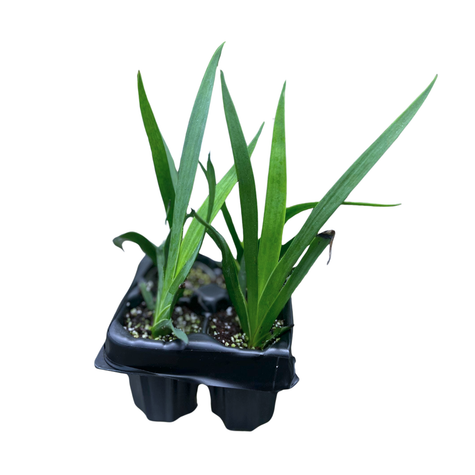
Twisted Tongue Agave is a great example: its unusual, twisting foliage gives it a distinctive appearance that differs from the more familiar, orderly rosettes of many agaves.
Rather than relying on contrasting colors or painted-looking markings, this variety makes its impression with its distinctive leaves. They create movement and visual interest, and make Twisted Tongue an excellent addition to a collection of unusual agaves, or a truly unique garden centerpiece.
Other Succulents Worth Collecting
Agaves aren't the only succulents capable of bringing unusual shapes and architectural interest to your garden. Several other plant groups offer distinctive forms that are worth exploring.
Aloe
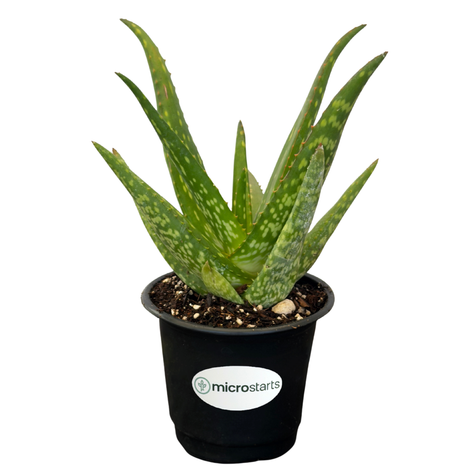
Aloes come in a surprisingly wide range of shapes, sizes, and colors. While some varieties form compact, symmetrical rosettes, others develop more elongated foliage or striking color variations.
Ornamental aloes can be especially interesting in containers and drought-tolerant landscapes. Some varieties, such as Safari Sunrise Aloe and Little Red Riding Hood Aloe (also known as Rooikappie Aloe) also develop colorful flowers, providing an additional seasonal feature.
Yucca
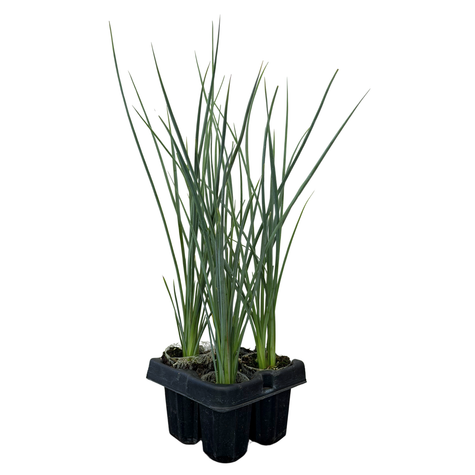
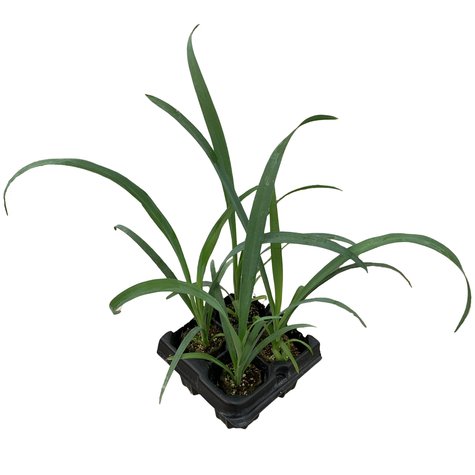
While not technically succulents, yucca have some succulent-like characteristics, and are often planted alongside agave and aloe. Like agave, yucca have a central rosette, and send up a flower spire. Unlike agave, however, most yucca flower every 1-2 years, bringing regular floral accepts to gardens.
Yucca vary in size, with some reaching only 2-4 feet tall at maturity, with others growing as tall as 10-15 feet.
How to Care for Sculptural Succulents
Unusual or not, most outdoor succulents are relatively straightforward to grow. Their care requirements will vary depending on the variety, but a few general principles can help keep them healthy.
Give Them Appropriate Sunlight
Many agaves and outdoor succulents prefer full sun or several hours of direct sunlight each day. However, not all succulents have identical light requirements. Some varieties prefer partial shade, particularly in areas with intense afternoon sun.
If moving a plant from a protected environment into direct sunlight, gradually acclimate it to avoid leaf damage.
Prioritize Well-Draining Soil
Good drainage is essential for most succulents. If your soil tends to retain moisture, consider amending it with perlite or coarse sand to improve drainage. For container-grown succulents, use a well-draining soil mix formulated for cacti and succulents, and choose a pot with adequate drainage holes to help prevent excess moisture from accumulating around the roots.
Avoid Overwatering
Succulents store moisture in their leaves and stems, allowing them to withstand periods of limited water availability. Rather than following a strict watering schedule, allow the soil to dry out between waterings, and adjust your routine based on your plant's needs and growing conditions. Keep in mind that most succulents require significantly less water during cooler months when growth tends to slow.
Give Them Room to Grow
One of the biggest mistakes when planting succulents is underestimating their mature size. A small plant may eventually develop a much wider rosette or taller growth habit than expected!
Consider the plant's mature dimensions when choosing a container or planting location, and avoid overcrowding varieties that need room to develop their natural shape.
Protect Them From Low Temperatures
Cold hardiness varies considerably between succulent varieties. Some agaves and other succulents can tolerate surprisingly low temperatures, while tropical varieties may need protection from even relatively mild frost.
Always check the specific variety's temperature requirements before planting outdoors, particularly if you live in an area with cold or wet winters.
Embrace the Unexpected
One of the most enjoyable things about gardening can be discovering plants that challenge your expectations. Twisted foliage, unusual growth patterns, and unique color patterns all offer opportunities to create something different.
Sculptural succulents don't need elaborate landscaping or complicated arrangements to make an impression. Sometimes, all it takes is one particularly unusual plant in the right place.

