
Most of us think of spring as the best planting season, and this is often true! But ask plant care experts, and they'll tell you fall can be a quiet superstar for planting in warmer climates, especially when it comes to trees and shrubs. The soil is still warm, the air is cooler, and new plants have time to establish their roots before the following spring's active growth begins.
Why Fall Can Be Great for Planting in Warmer Climates

Most plants put on their most noticeable above-ground growth during spring and summer, when sunlight and temperatures increase. Whenever you plant a new tree or shrub, however, it takes time to adjust to its new environment and establish a new root system.
When you plant in spring, the plant may be working on root establishment while also pushing out new leaves and shoots. In fall, shorter days and cooler air temperatures naturally slow above-ground growth, while the soil may remain warm enough for roots to continue growing.
This can give newly planted trees and shrubs a valuable period to establish their roots before the demands of summer arrive. By the following spring, a well-established root system can help the plant take up water and nutrients more effectively as it begins putting on new leaf growth.
That said, fall isn't automatically the best planting season everywhere. In colder climates, particularly where the ground freezes early or remains frozen for long periods, newly planted trees and shrubs may not have enough time to establish before winter. Spring can be the more reliable choice in these areas, especially for plants that are marginally hardy in the local climate.
When Fall Isn't the Best Choice

Fall planting works particularly well when the weather is mild and the soil remains workable, but there are a few situations where spring may be preferable.
If you're planting very late in the season and the ground is already becoming cold or frozen, there may not be enough time for meaningful root establishment. Similarly, plants that are only marginally hardy in your area may benefit from being planted in spring, giving them a full growing season to establish before their first winter.
Extremely wet or poorly drained soil is another reason to wait. Planting into saturated soil can damage soil structure and reduce the amount of oxygen available to roots.
As with any planting project, your local climate, soil conditions, and the specific plant you're growing should all factor into the timing.
What to Plant This Fall
If you live in a mild enough climate and have several weeks of suitable weather ahead, many trees and shrubs can be good candidates for fall planting. Some especially good options include:
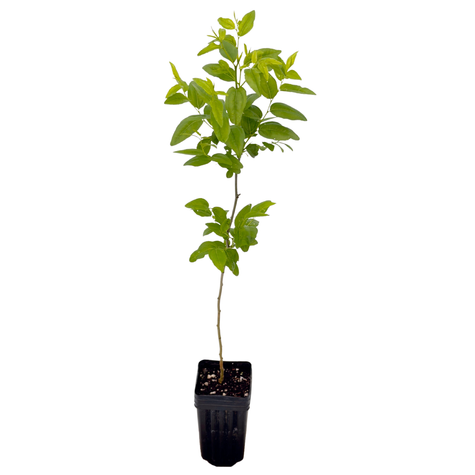
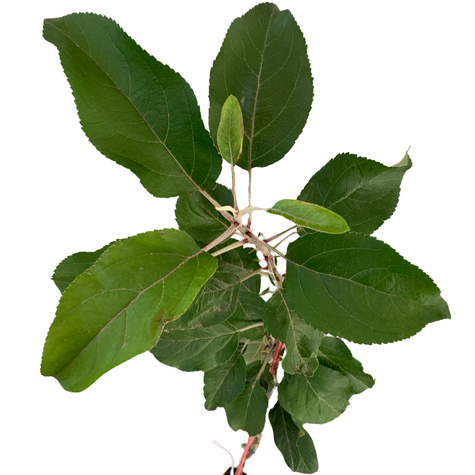
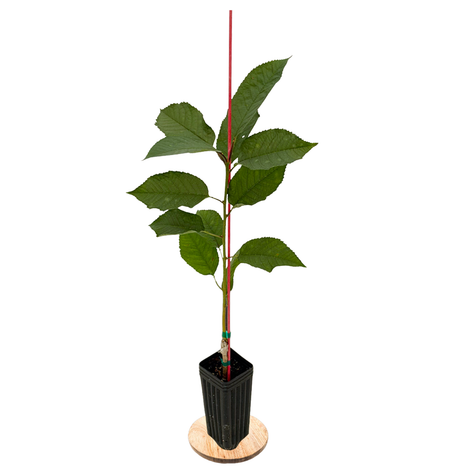
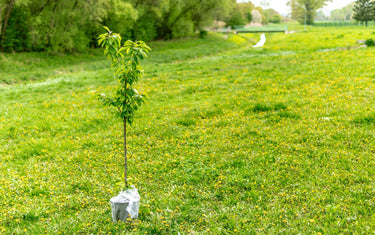
Fruit trees - Jujube, apples, and cherries can establish well when planted in fall in suitable climates. When planting fruit trees, just make sure you've checked your pollination requirements when needed! Check out our apple and cherry pollination guides if you need a refresher.
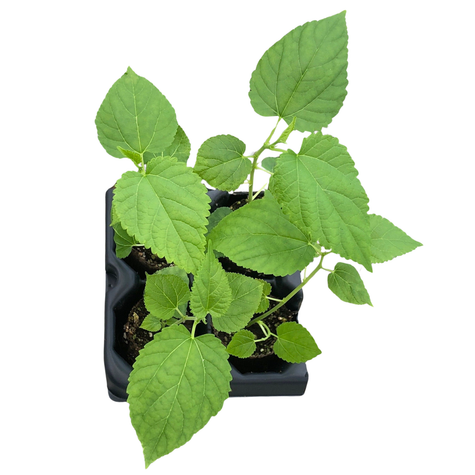
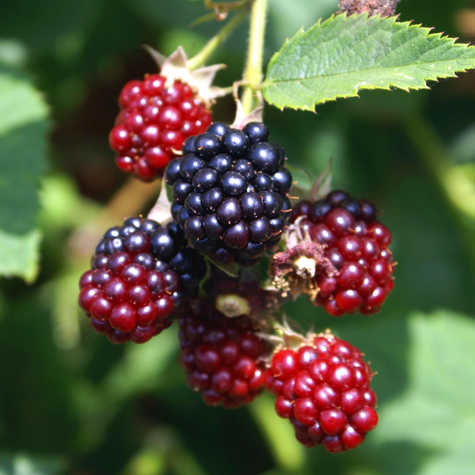
Ornamental and low-water shrubs - Fall planting gives many shrubs time to establish their root systems before their first hot summer, which can be especially helpful for plants that will eventually need to tolerate periods of heat or drought.
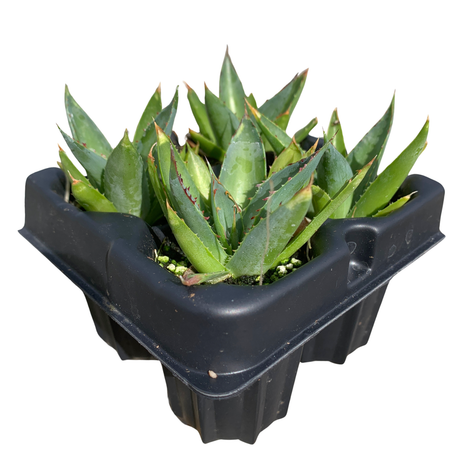
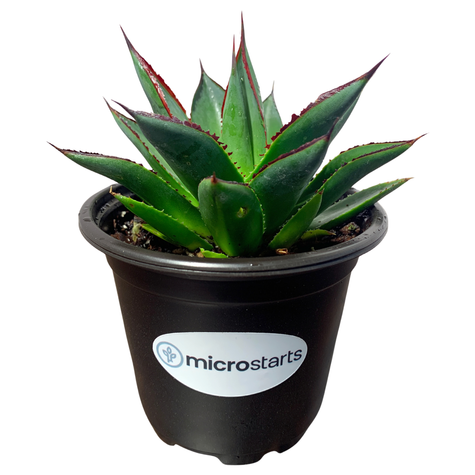
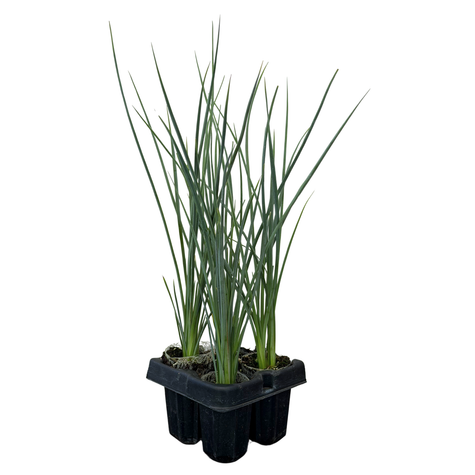
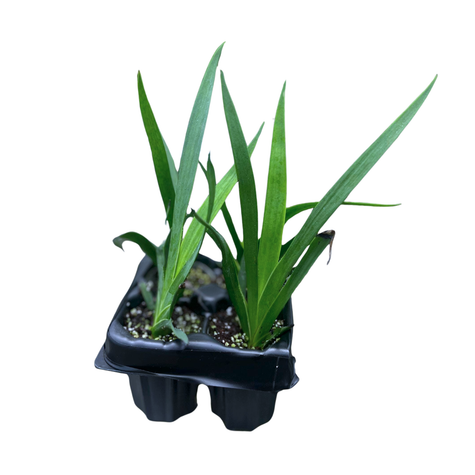
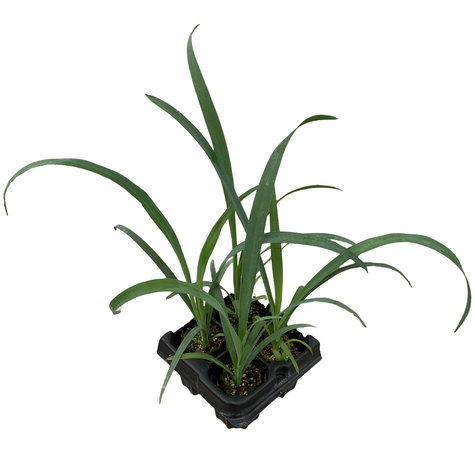
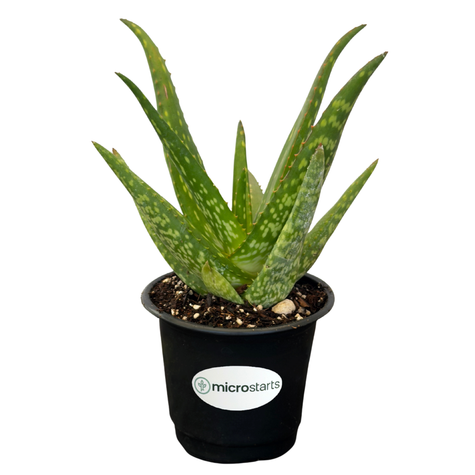
Drought-tolerant perennials - Yucca, hesperaloe, and agave are tough customers, and planting them in fall can give their roots a head start before the following summer. Just make sure the particular species is hardy enough for your winter temperatures.
When to Plant in the Fall
Instead of relying on a specific number of days before the first frost, aim to plant early enough in fall to give your plants several weeks to establish before the ground freezes.
The ideal window varies by climate and plant. In areas with mild winters, fall planting may remain possible well into the season. In colder climates, you'll want to plant earlier.
A good rule of thumb is to pay attention to soil conditions and the plant's hardiness, rather than using the first frost date as a hard deadline. A light frost doesn't necessarily mean that root growth has stopped, while consistently freezing soil is a much more important consideration.
How to Plant: The Short Version

-
Dig wide, not deep.
Dig the planting hole about two to three times wider than the root ball, but no deeper than the root ball itself. The top of the root ball should generally sit level with, or slightly above, the surrounding soil. -
Backfill with the soil you dug out.
In most situations, the soil removed from the planting hole is the best choice for backfilling. Avoid heavily amending the planting hole with compost or other materials unless your soil or the plant's specific needs call for it. -
Don't overdo the fertilizer.
Newly planted trees and shrubs generally don't need high-nitrogen fertilizer at planting. Encouraging a flush of tender new growth isn't particularly helpful as winter approaches. -
Water deeply.
Give the plant a thorough watering immediately after planting. After that, monitor the soil regularly and water deeply when needed. Newly planted plants need consistent moisture while establishing, but the exact frequency depends on rainfall, soil type, temperature, and the size of the plant. -
Add mulch.
Apply about two to four inches of mulch around the root zone to help conserve moisture and moderate soil temperatures. Keep mulch a few inches away from the trunk or main stems to prevent excessive moisture against the plant. -
Stake only when necessary.
Trees in exposed or windy locations, or those with unstable root balls, may benefit from temporary staking. If you do stake, allow some natural movement rather than keeping the trunk completely rigid. For more information about staking, check out our starter tree care guide! -
Protect young trunks when needed.
In areas with rabbits, rodents, or other animals that may feed on young bark during winter, a trunk guard can provide useful protection.
Don't Forget Tropical Plants!

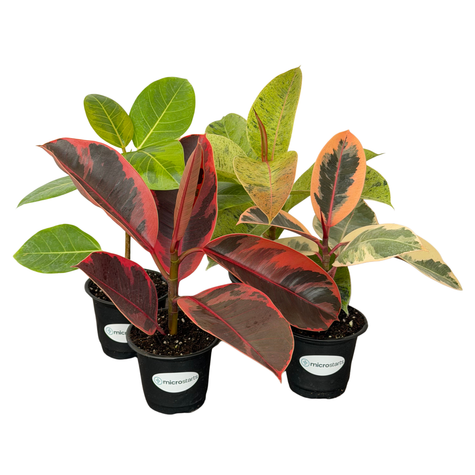
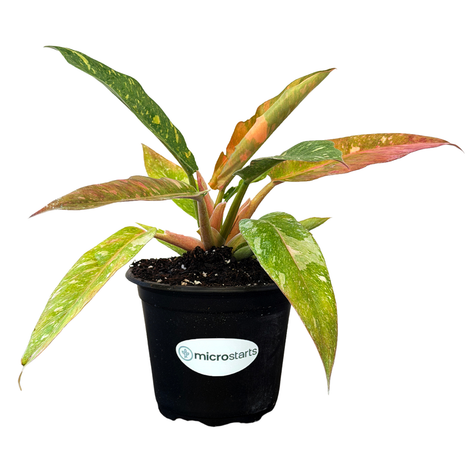
While you're out in the yard this fall, don't forget about the tropical plants that spent summer outdoors.
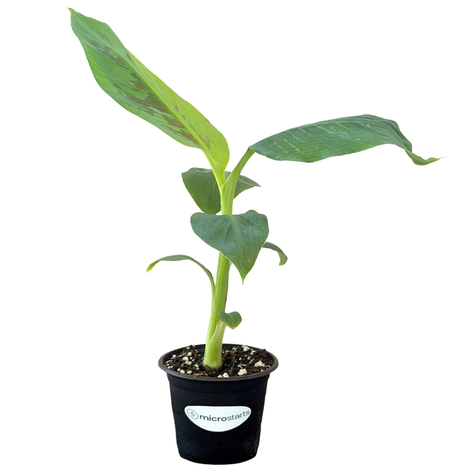
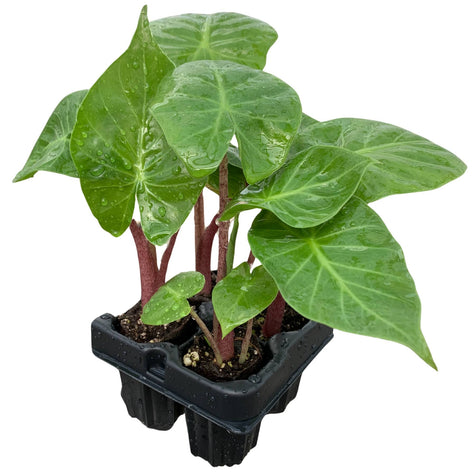
If you live in a climate where temperatures regularly drop below a tropical plant's tolerance, this is the time to start planning where you'll overwinter plants such as bananas, bromeliads, and alocasias. Depending on the plant and your space, that might mean bringing it indoors, moving it into a greenhouse, or placing it somewhere else that's protected from cold temperatures.
Don't wait until the first hard freeze to make your move. Tropical plants can be damaged by temperatures well above freezing, so check the temperature requirements for each plant and move them to a protected location before conditions become too cold.
Fall Planting FAQs
Is fall really better than spring for planting trees?
It can be, particularly in climates with mild winters. Fall often provides favorable conditions for root establishment because the soil can remain warm while air temperatures and sunlight are decreasing. However, spring may be a better choice in colder climates or for plants that are marginally hardy in your area.
How late can I plant a tree or shrub in fall?
There isn't one universal cutoff date. As long as the soil is workable and the plant has time to establish before the ground freezes, fall planting can still be possible. Your local climate, the plant's hardiness, and the weather all matter.
Can I plant trees after the first frost?
A light frost doesn't necessarily mean planting season is over. If the soil isn't frozen and conditions remain suitable, you may still be able to plant. However, consistently freezing soil or an approaching period of severe cold is a sign that it's probably too late for plants to comfortably establish.
Should I fertilize a tree when I plant it in fall?
Usually, no. Most newly planted trees and shrubs don't need high-nitrogen fertilizer at planting. The priority is getting the plant properly planted and maintaining adequate moisture while its roots establish.
How often should I water a newly planted tree in fall?
Check the soil rather than following a rigid schedule. Newly planted trees need consistent moisture, but rainfall, soil type, temperature, and plant size all affect how often they need water. Water deeply when the soil begins to dry, while avoiding constantly saturated soil.
Should I mulch around a newly planted tree?
Yes. A layer of about two to four inches of mulch can help conserve moisture and moderate soil temperatures. Just keep mulch several inches away from the trunk rather than piling it against the bark.
Should I stake my new tree?
Only if it needs additional support. Trees in windy or exposed locations, or those with unstable root systems, may benefit from temporary staking. Otherwise, some natural trunk movement can help encourage a stronger trunk.
Can I plant fruit trees in the fall?
In suitable climates, yes. Apples, cherries, jujubes, and many other fruit trees can be planted successfully in fall. Before planting, check the tree's hardiness, chill requirements, and pollination needs to make sure it is a good match for your location.
What if I live somewhere with cold winters?
Spring may be the safer planting window, particularly if your ground freezes early or stays frozen for long periods. Fall planting can still work for some cold-hardy plants when done early enough, but plants need adequate time to establish before winter.
Can I leave tropical plants outside in fall?
That depends on the plant and your local temperatures. Many tropical plants are sensitive to cold and should be moved indoors or to a protected location before temperatures fall below their tolerance. Check the specific temperature requirements for each plant rather than waiting for a freeze.

