
If you've spent any time in the plant community lately, you've undoubtedly seen variegated plants are everywhere - and for good reason! There's something genuinely arresting about a leaf that looks like it couldn't quite decide what color to be: cream bleeding into green, pink edging into white, gold marbling through deep emerald.
But with the enthusiasm sometimes comes confusion. Why do variegated plants cost more? Are they harder to care for? Is the hype real, or is this just a trend that'll fade like fiddle leaf figs in 2018?
Here's the thing: variegation isn't just a houseplant phenomenon. It shows up across the entire plant kingdom: in tropical foliage that collectors chase for their shelves, in succulents adapted for low-water landscapes, in bold statement plants that bridge the gap between indoors and out. We’re here to give you the facts on variegation, and to spotlight six of our favorites.
First: What Actually Causes Variegation?

Variegation most commonly occurs when parts of a plant’s tissue lack chlorophyll, the green pigment responsible for photosynthesis. In those areas, other pigments - or the absence of pigment altogether - create patterns of white, cream, mint, yellow, or even pink, depending on the plant and environmental conditions. The result is that characteristic two-toned or multi-toned patterning we all know and love.
There are a few different mechanisms behind it:
Chimeral variegation is the most common type in collector plants. It occurs when two genetically distinct cell populations coexist in the same plant: one produces chlorophyll normally, and one does not. This type of variegation is inheritable but unstable, meaning it can revert to solid green (or solid white) under certain conditions (more on that below).
Natural or stable variegation is genetically encoded in every cell and reliably passes to offspring. Plants like Tradescantia zebrina (inch plants) or Calatheas fall into this category - their patterning is consistent and predictable. Many variegated Blue Glow Agave and Variegated Hawaiian Ti fall closer to this end of the spectrum, which is part of what makes them so reliable in the landscape.
Viral variegation exists too, caused by plant viruses that disrupt chlorophyll production. This is the least desirable type - it's unpredictable, can spread to other plants, and isn't something reputable nurseries propagate intentionally.
The variegated plants MicroStarts carries are propagated from select variegated mother stock, or are unique variegated mutations that developed spontaneously in our lab - never from viral sources.
Why Do Variegated Plants Cost More?
This is the question everyone asks, and the answer is genuinely straightforward once you understand the biology.

Because variegated cells contain less chlorophyll, variegated plants photosynthesize less efficiently than their all-green counterparts. They grow slower, sometimes significantly so. A cutting that takes a solid-green plant six weeks to root might take a variegated one three months. That slower production means higher cost-per-plant for any nursery growing them responsibly.
On top of that, chimeral variegation can't be reliably propagated by seed, instead requiring vegetative propagation by cutting, tissue culture, or division. Additionally, propagations often revert to either solid green or solid white, increasing the labor involved with propagating chimeral variegated varieties. This limits how quickly supply can scale to meet demand, which keeps prices elevated even as interest grows.
Tissue culture - our specialty - actually helps here. By propagating from existing plant tissue under controlled lab conditions, we can maintain variegation consistency while scaling production far beyond what traditional cutting propagation allows. It's one of the reasons we're able to offer collector-grade variegated plants at prices that won’t break the bank.
The Care Basics Every Variegated Plant Owner Should Know
Variegated plants aren't dramatically harder to care for than their solid-green versions, but there are a few key adjustments worth making. Note that the tips below apply primarily to tropical foliage plants; succulent varieties like agave have their own care notes in the spotlights below.

Give them more light - This is the big one. Because variegated sections of a leaf produce little or no chlorophyll, the plant has less photosynthetic capacity overall. To compensate, it needs more light than a fully green plant of the same species. Bright indirect light is the minimum for most variegated houseplants, and a few hours of gentle direct morning sun generally won't hurt.
Don't overwater - Slower growth means slower water uptake. A variegated Philodendron or Ficus sitting in soggy soil is more prone to root rot than a fast-growing green plant. Let the top inch or two of soil dry out before watering, and make sure your pot has drainage.
Watch for reversion in chimeral variegation - If your plant begins producing all-green leaves, it’s likely reverting, meaning the chlorophyll-rich cells are outcompeting the variegated tissue. On the other end of the spectrum, chimeral variegation can sometimes produce fully white leaves. Because these lack chlorophyll, they can’t photosynthesize and will usually decline on their own. If the plant continues to push only white growth and there’s no visible green at the growth point, it’s best to prune it back to a section where green tissue is still present. Similarly, any reverted (all-green) growth can be cut back to the last variegated node to encourage the plant to produce patterned leaves again. Providing brighter, indirect light can also help support stronger variegation.
Don't overfertilize - Excess nitrogen pushes fast, lush green growth, which can actually encourage reversion. A balanced, diluted fertilizer applied according to manufacturer instructions during the growing season is plenty.
Six Variegated Plants Worth Getting Excited About
Tineke Rubber Plant (Ficus elastica 'Tineke')

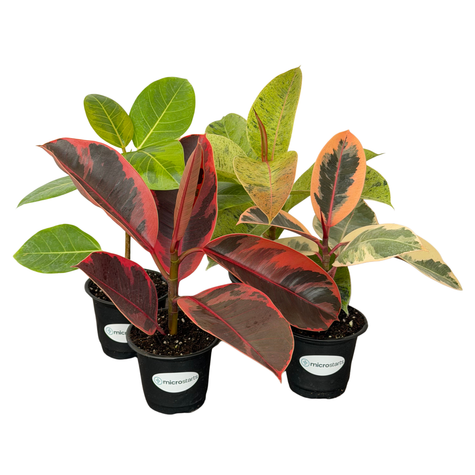
The Tineke is one of the most elegant rubber plant cultivars. Its large, waxy leaves are splashed with creamy white, soft green, and occasionally blush pink, especially on new growth emerging from the pink-tinged sheaths. It has the same relatively forgiving temperament as non-variegated rubber plants, making it one of the most accessible variegated plants on this list. Give it bright indirect light, water when the top inch dries out, and it will reward you with steady, striking new growth.
Best for: Plant parents who want variegated drama - without the drama.
White Wizard Philodendron (Philodendron erubescens 'White Wizard')

If you've had White Princess on your wishlist, meet its more vigorous sibling! White Wizard produces larger, more deeply variegated leaves with bold white sectoring against deep green. Unlike Princess, it has a climbing habit, making it a natural candidate for a moss pole. The contrast on a mature White Wizard leaf is striking, and well worth a second glance. Tissue culture has made White Wizard more available than it was a few years ago, but it's still not something you see at every garden center.
Best for: Collectors who want a centerpiece climber with staying power.
Variegated Ring of Fire Philodendron (Philodendron 'Ring of Fire' variegated)

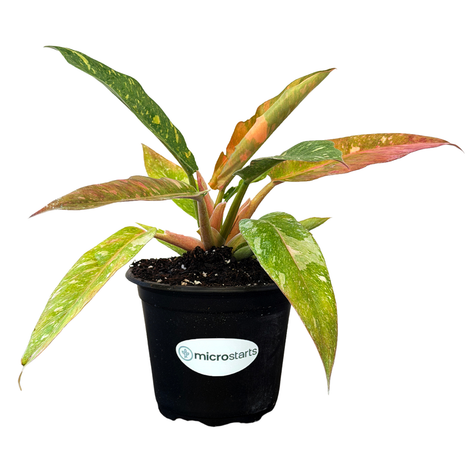
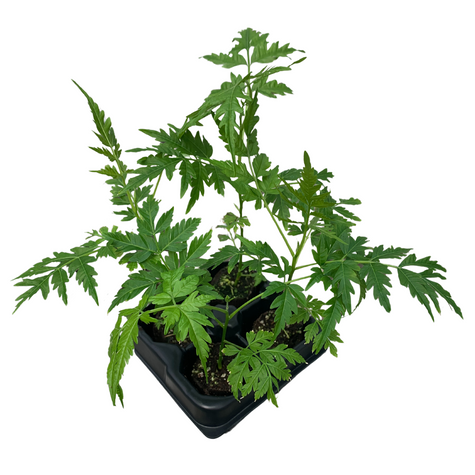
With its deeply serrated, ruffled leaves, and new growth that emerges in warm shades of orange and red before settling into green, Ring of Fire is already a standout even before you factor in variegation. But what most collectors are after is the variegation: unpredictable streaks and layered sectors of cream, white, or soft yellow. No two leaves come out the same. Some are bold and heavily patterned, while others are more subtly marbled - but that variation is part of the appeal. It’s a slow grower, and genuinely uncommon in well-variegated form. If you’ve been seeing it everywhere and wondering whether it lives up to the hype, it does.
Best for: The serious collector who wants something that will turn heads.
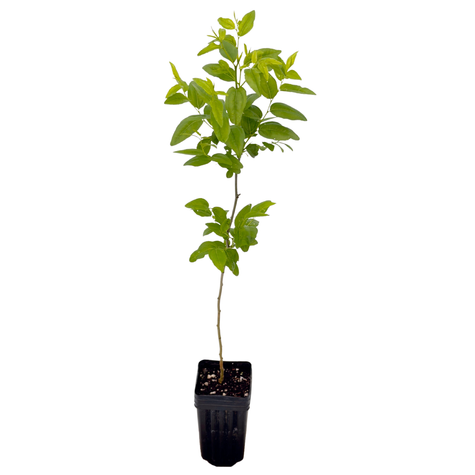
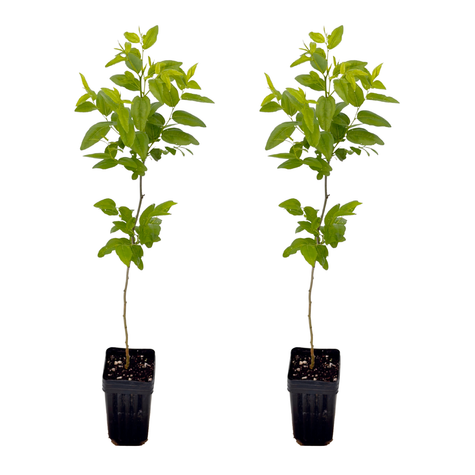
Variegated Council Tree (Ficus altissima 'Variegata')

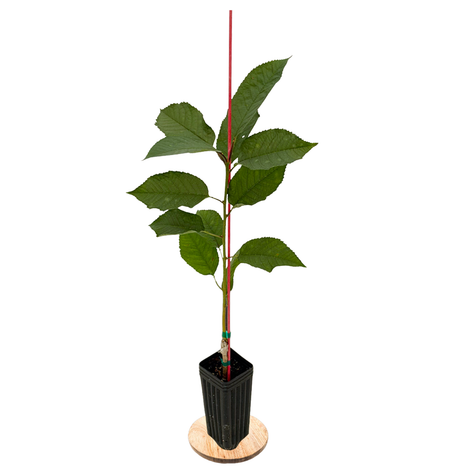
Often overlooked in favor of its more famous Ficus elastica cousins, the Variegated Council Tree deserves far more attention. Its broad, leathery leaves feature a striking combination of deep green centers and chartreuse-to-yellow margins. It has the opposite of the typical dark-edge variegation pattern, which makes it stand out even in a well-curated collection. It's faster-growing than many variegated Ficus varieties and adapts well to indoor conditions with adequate light. Think of it as the underrated gem of the Ficus family!
Best for: Anyone who wants something distinctive that many visitors won't recognize on sight.
Variegated Hawaiian Ti (Cordyline fruticosa ‘Kiwi’)

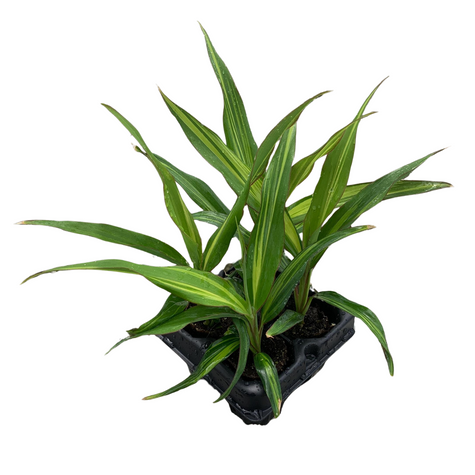
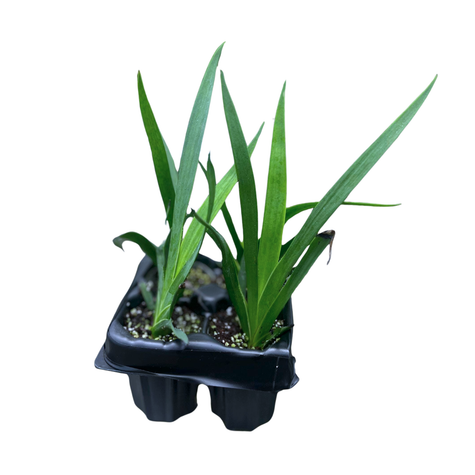
Variegated Hawaiian Ti delivers color even when everything else in the garden is green. Its long, strap-like leaves emerge in a mix of pink, cream, and lime green, often with bold striping and soft gradients that shift as the leaf matures. The result is a plant that feels almost painted with bright, layered, and constantly changing as new growth unfurls from the center. The upright form and fountain-like habit give it structure, while the variegation keeps it from ever looking static.
Best for: Anyone who wants a statement plant that works equally well on a covered patio or as an indoor floor plant.
Variegated Blue Glow Agave

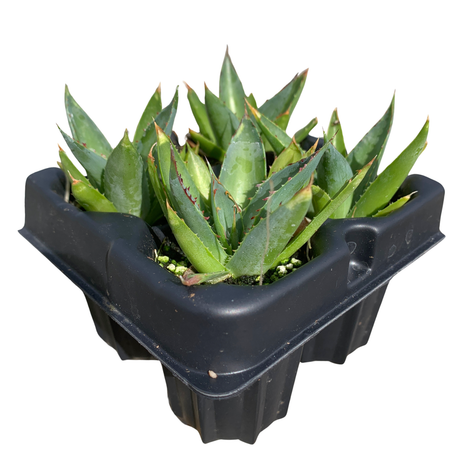
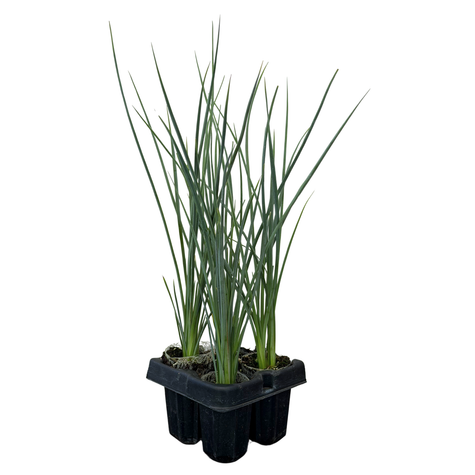
Blue Glow is already one of the most refined agaves in the landscape trade: a slow-growing, symmetrical rosette with blue-green leaves edged in a thin line of red and gold that seems to glow in sunlight. Variegated forms add creams or yellows to the margins or centers of each leaf, depending on variety, making them some of the most striking plants you grow in low-water landscapes and containers. Unlike the tropical plants on this list, agaves thrive with minimal care: full sun, excellent drainage, and minimal water once established. Additionally, the majority of varieties offered by MicroStarts are stable, meaning they don’t risk reverting the way chimeral varieties can. MicroStarts variegated Blue Glow varieties include California Glow, Half-Moon Central Variegated, Half-Moon Reverse Variegated, and Frost Glow. While the Half-Moon varieties tend to be less stable, we continue to offer them because, when their variegation holds, they’re exceptionally unique.
Best for: Gardeners in drought-prone climates who want low-water beauty without sacrificing impact.
The Bottom Line
Variegated plants earn their reputation across living rooms, patios, and landscapes alike. The biology behind them is legitimately fascinating, the visual payoff is real, and with a few care adjustments, they're not the fragile divas they're sometimes made out to be. Whether you're drawn to the collector appeal of a White Wizard Philodendron or the sun-baked elegance of a variegated Blue Glow Agave, the common thread is plants that reward a closer look.
If you've been watching our socials and waiting for the right moment to add something variegated to your collection - this is it! Not sure where to start? Our plant care team is ready to help at support@microstarts.com.
Frequently Asked Questions About Variegated Plants
Do variegated plants need more light? Yes. Because variegated sections of a leaf produce little or no chlorophyll, the plant needs more overall light to photosynthesize effectively. Most variegated houseplants do best in bright indirect light; low light can trigger reversion in less stable varieties.
What is reversion in variegated plants? Reversion is when a variegated plant begins producing all-green leaves instead of its variegated pattern. It happens because non-variegated (fully green) cells photosynthesize more efficiently and can outcompete variegated cells over time, especially under low light or stress. To address reversion, prune all-green growth back to the last variegated node and move the plant to a brighter location.
Can variegated plants revert to green permanently? In some cases, yes - especially with chimeral variegation, where two genetically distinct cell populations coexist in the plant. If green growth is left unpruned for a long time, it can become dominant. Catching and pruning reversion early gives the best chance of restoring the variegated pattern.
What does it mean when a variegated plant produces all white leaves? Chimeral variegated plants can sometimes produce entirely white leaves. Because these lack chlorophyll, they’re unable to photosynthesize and will typically decline on their own. If the plant continues to push all-white growth and there’s no visible green at the growth point, it’s best to prune it back to a section where healthy green tissue is still present.
Are variegated plants harder to care for? Not dramatically, but they do require some adjustments. They need more light, less frequent watering, and moderate fertilization. Avoiding stress and low-light conditions also helps prevent reversion. With the right setup, most variegated plants are manageable for intermediate plant owners.
Is variegation caused by disease? Most desirable variegation is not caused by diseases. It results from chimeral mutations (two genetically different cell populations in one plant) or stable genetic encoding that affects pigment production. There is a type called viral variegation that is caused by plant viruses, but reputable nurseries do not propagate from virus-infected stock.
What are the most popular variegated houseplants? Some of the most sought-after variegated houseplants include the White Wizard Philodendron, Variegated Ring of Fire Philodendron, Tineke Rubber Plant, Variegated Monstera deliciosa (Thai Constellation and Albo), and various variegated Pothos cultivars. Variegated Ficus varieties like Tineke and Council Tree have also grown in popularity.
Can variegated agaves survive drought? Yes. Agaves are inherently drought-tolerant succulents, and the variegated forms retain that characteristic. Once established, a variegated Blue Glow Agave requires very infrequent watering and is well-suited to low-water gardens in USDA zones 8-11. The variegation in most commercially available varieties is also fairly stable, meaning they don't tend to revert the way chimeral houseplants can.
Are tissue culture variegated plants as good as traditionally propagated ones? Yes, and in some ways better. Tissue culture propagation produces plants that are genetically identical to the mother plant, meaning variegation patterns are preserved with high consistency. TC plants are also produced in sterile conditions, making them free of pests and pathogens.

