
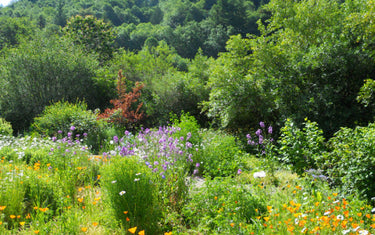
There’s a quiet revolution taking root in backyards across the country, and it looks less like a traditional garden and more like small thriving ecosystems. It's called a food forest, and it's changing the way everyday gardeners think about growing food.
If you’ve ever felt like constantly weeding your garden was too much effort, or wished you could grow more food in a limited space, you are not alone. Food forest gardening is designed around one core idea: let plants work together and with their environment. The result is a system that produces abundantly, helps support local wildlife, builds healthy soil, and - once established - largely takes care of itself.
Here's what that means in practice, and which MicroStarts plants are tailor-made to help you build one.
What Is a Food Forest?

A food forest (also called a forest garden or agroforestry system) mimics the structure of a natural ecosystem, but replaces wild species with edible, useful, and beneficial plants. Instead of a monoculture of one crop, you're stacking multiple plant types that support each other: taller trees shading and sheltering smaller ones below, ground covers protecting the soil, and deep-rooted plants drawing up nutrients that feed everything around them.
People come to food forests from a lot of different directions: wanting to cut water bills, reduce their pesticide and herbicide use, grow more of their own food, or simply build something in the yard that lasts. Beyond all of that, the real appeal is surprisingly simple: a well-designed food forest just works. Pollinators find it, birds visit, the soil improves every year, and the harvests keep coming.
Most food forest designs are organized into layers, and understanding those layers is the key to putting the right plant in the right place. Before you start filling them in, though, do a little homework: match varieties to your hardiness zone, think through the sun/shade ratio, soil, and drainage, and - just as importantly - make sure you're actually growing things you want to eat!
The Upper Story: Your Canopy Anchors
The upper story is the backbone of any food forest. These are your tallest, longest-lived producers - the trees that define the space, provide structure, and form the canopy under which everything else is organized. This upper story will consist of the upper canopy (full sized trees around 15-20 feet tall at maturity) and lower canopy (small and dwarf trees and large shrubs).
Pakistani Mulberry

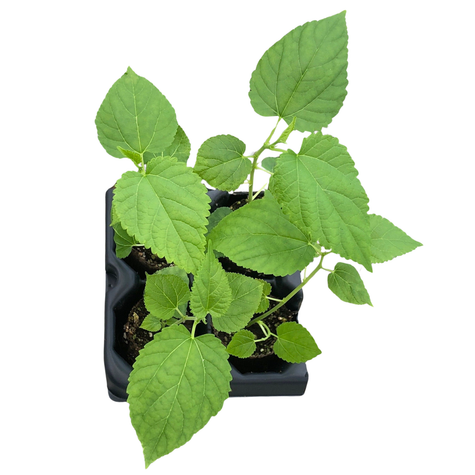
If you want an upper canopy tree that earns its keep immediately, Pakistani Mulberry is hard to beat. Known for its extraordinarily long - up to 4 inches! - sweet berries, it's one of the most productive mulberries you can grow. It will leaf out vigorously each season, creating a broad, spreading canopy that shelters understory plants from harsh afternoon sun. And because mulberries are nitrogen-cycling champions and attract birds that help distribute beneficial insects throughout the garden, a Pakistani Mulberry isn't just producing for you - it's supporting your whole system.
Jujube GA-866

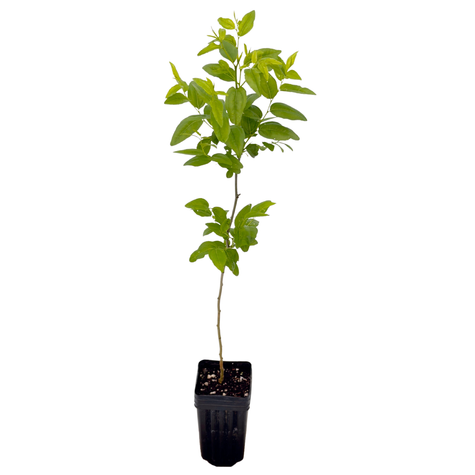
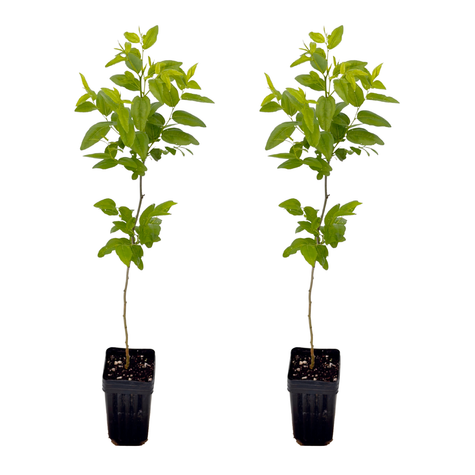
For gardeners in drier or hotter climates, jujube such as Jujube GA-866 are a revelation. Jujubes are among the most drought-tolerant fruiting trees you can plant. Once established, they thrive with minimal supplemental water, making them an ideal anchor for a low-input food forest. GA-866 is selected for its large, high-quality fruit with a sweet, apple-like crunch when fresh and a rich, date-like depth when dried. The tree itself is open and airy, letting filtered light reach the plants below - a quality that makes it a good fit in a layered design.
Sweetheart Cherry and Other Self-Fertile Varieties
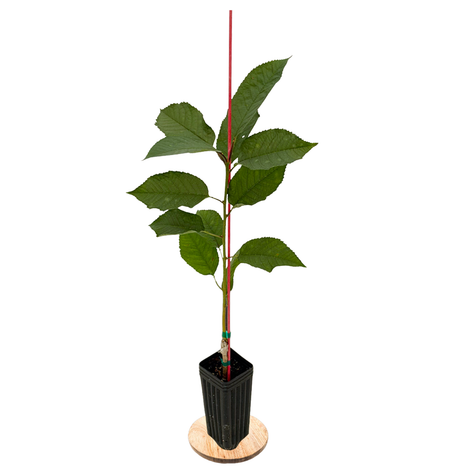
Cherries bring something special to the food forest: early-season bloom that feeds pollinators before almost anything else is flowering, followed by one of summer's most coveted harvests. Sweetheart is our top pick for the backyard orchard: a self-pollinating variety that produces large, firm, sweet fruit with excellent flavor late in the cherry season, extending your harvest window well into summer. Because it's self-fertile, a single tree will produce reliably without a pollination partner, which is a real advantage in smaller spaces.
That said, if you have room for more than one tree - or want to maximize yields - other self-pollinating varieties like Santina (an early-season producer with dark, balanced fruit) and Skeena (a late-ripening variety with exceptional sweetness) pair beautifully with Sweetheart and with each other. If you're choosing varieties outside the self-fertile category, just be sure to plant compatible pollinizers within range.
Granny Smith, Golden Delicious, and the Power of Pollination Pairs

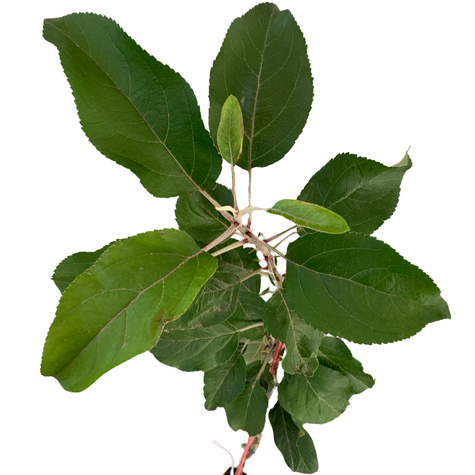
Few things anchor a food forest quite like an apple tree, and Granny Smith and Golden Delicious are two of the most iconic, reliable varieties you can grow. Granny Smith delivers its signature bright, tart fruit in the fall and is a standout for fresh eating, baking, and long storage. Golden Delicious brings a mellow, honeyed sweetness, is productive across a wide range of climates, and is a notoriously good pollinizer for neighboring apple trees.
Here's the key thing about apples: most varieties, including these two, produce more abundantly when cross-pollinated by a compatible neighbor. Planting Granny Smith and Golden Delicious together is one of the classic pairings for exactly this reason: they bloom at compatible times and they complement each other's flavor profiles for harvest. If you're building out a small orchard section of your food forest, this duo is a natural starting point. Just make sure any varieties you add to the mix are bloom-time compatible.
Dwarf Cavendish Banana for Mild Climates
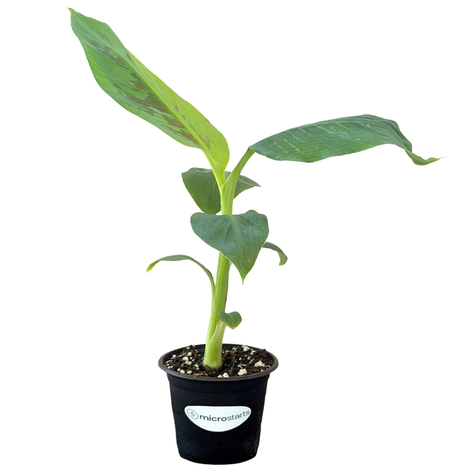
In USDA zones 9-11, Dwarf Cavendish Banana brings the food forest to life in a completely different way. These iconic plants grow quickly, produce store-quality bananas year-round in warm climates, and create a lush, tropical canopy effect that few other plants can replicate. Their broad leaves catch and funnel rainwater toward their base, their spent stalks break down rapidly to feed soil life, and the suckers they produce can be divided to fill new spots in your planting over time. In the right climate, a Dwarf Cavendish is one of the most productive plants per square foot you can add to a food forest design.
Dwarf Everbearing Mulberries for the Upper Story, Hedge, or Container

Dwarf Everbearing Mulberry punches well above its size. The fruit is small-to-medium, with a flavor reminiscent of blackberries and figs: sweet, rich, and genuinely hard to walk past without grabbing a handful. Depending on your space and vision, they can serve as a soft upper story tree in tighter yards, a productive edible hedge or privacy screen along a fence line, or even a container specimen for a patio or balcony food garden. If you want the food forest experience but have limited space, Dwarf Everbearing Mulberries are well worth considering.
The Understory: Where Berries Shine
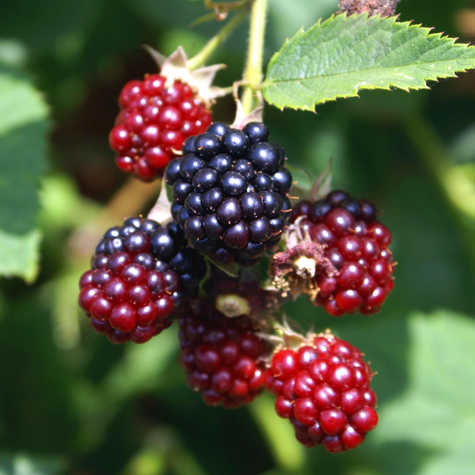
Below your canopy anchors, the understory layer is where you fit in smaller shrubs and cane fruits - the mid-height producers that fill the space between your trees and the ground. Depending on your region, this area can have a mix of perennial berries. MicroStarts offers a strong selection of blackberries well-suited to filling this role across a wide range of climates.

Blackberries are tailor-made for the understory. They're vigorous growers that establish quickly, they're well-adapted to the dappled light that filters through a canopy, and they produce heavily - for primocane varieties, even within their very first season. Planted along the edges of your tree canopy or used to fill in gaps between plantings, blackberries create dense, productive thickets that also serve as wildlife habitat and natural pest barriers.
Modern thornless varieties like Prime-Ark Freedom, Sweet-Ark Ponca, and Sweet-Ark Immaculate bring all of that productivity without the battle of traditional thorny canes. For home growers, that means easier harvest, easier pruning, and a more enjoyable time in the garden overall. And because our blackberry varieties are tissue cultured for disease-free, vigorous starts, they hit the ground running.
Starting Your Food Forest
A backyard food forest doesn't have to be large, and it doesn't have to happen all at once. A Pakistani Mulberry anchoring one corner, a row of dwarf mulberries doubling as a privacy hedge, a jujube in the dry back section, cherry and apple trees filling the orchard zone, blackberries threading through the shaded edge, are each a step towards producing your own, reliable food at home.
Ready to start your food forest? MicroStarts offers a variety of edible trees and shrubs that can be a good fit agroforestry systems. Not sure where to start? Our team is happy to help at support@microstarts.com.

