
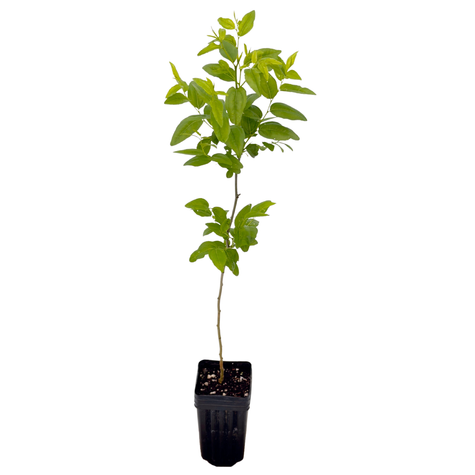
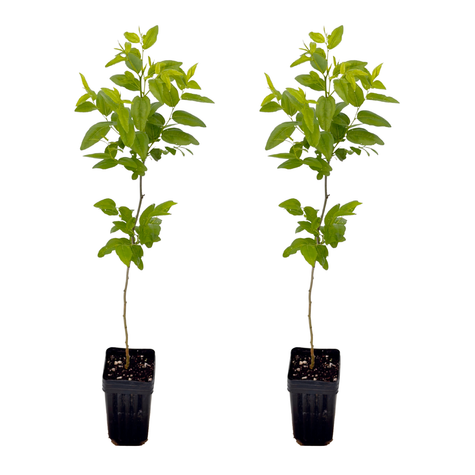
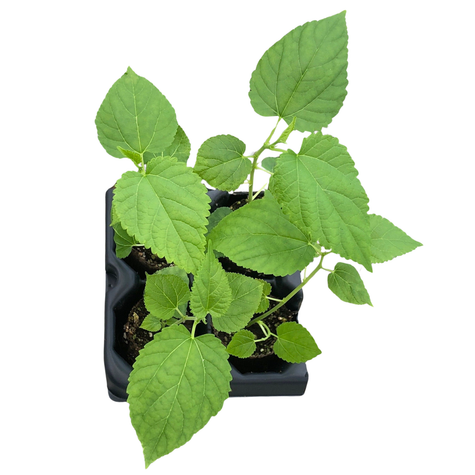
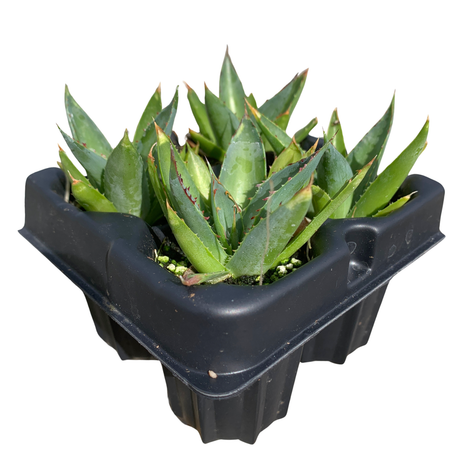
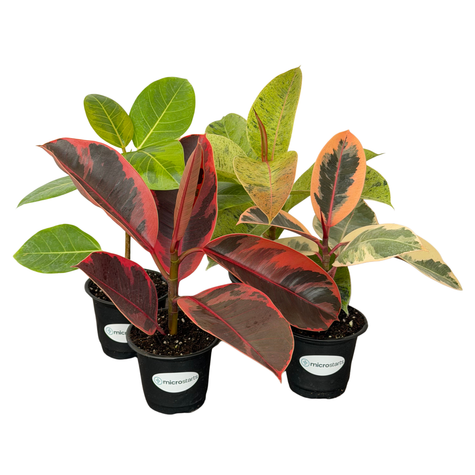
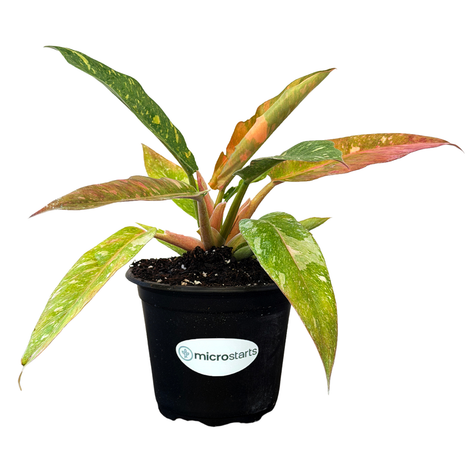
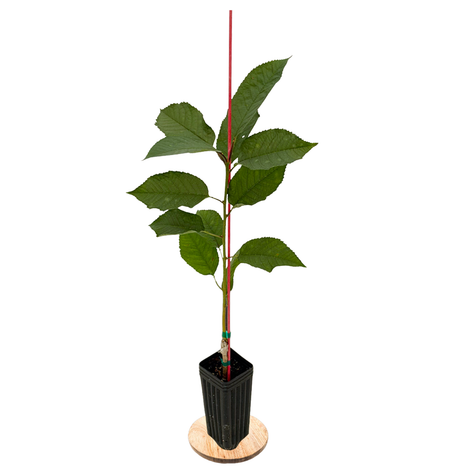
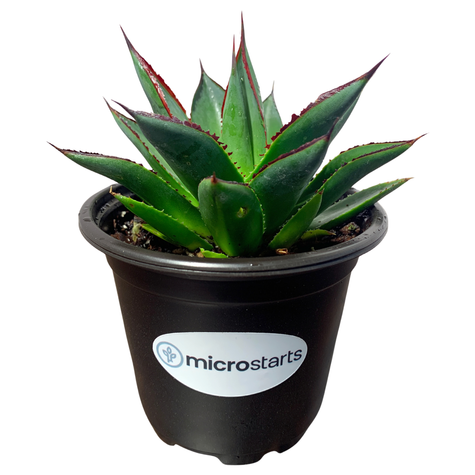
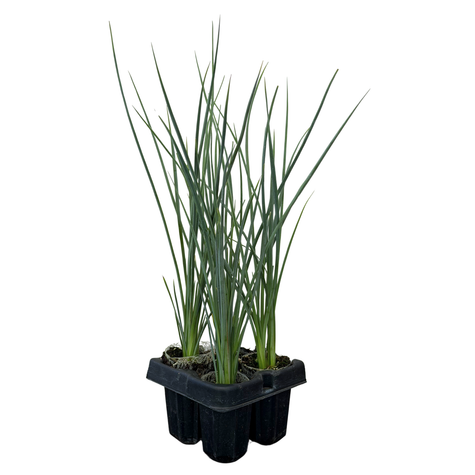
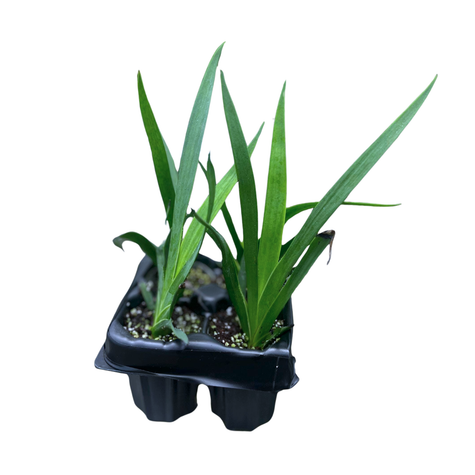
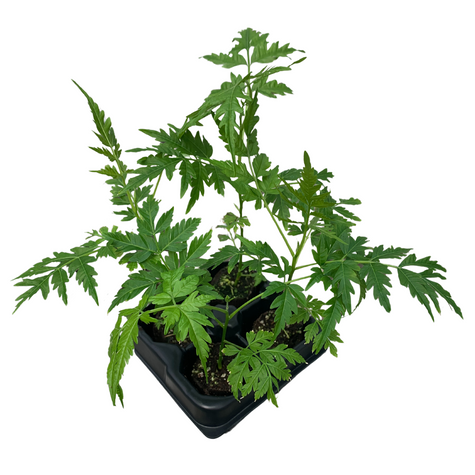
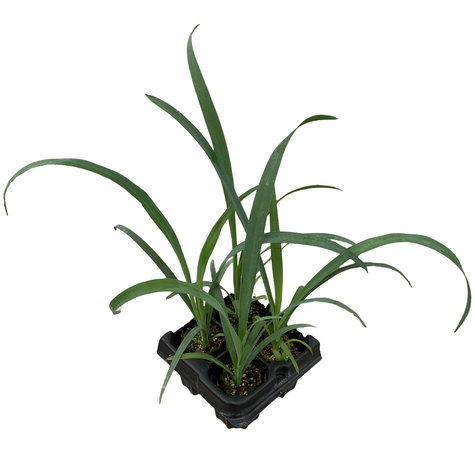
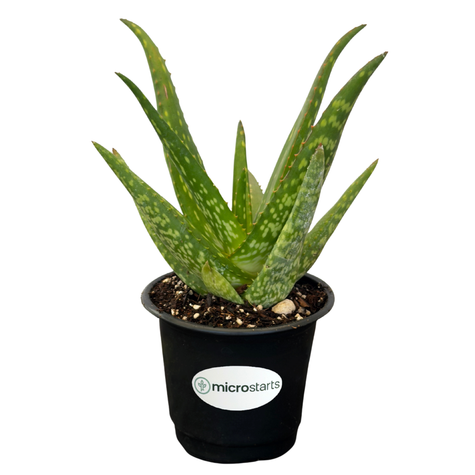
At MicroStarts, we sell a variety of houseplants, ranging from elephant ears and bananas to ficus and trailing tropical plants. Our most popular houseplants are generally tropical plants, meaning they can actually be grown as landscape plants in their native ranges or areas with similar climates!
If you live somewhere with mild winters - or you're willing to bring plants indoors before the first frosts in your area - you have more outdoor options than you might think. Here's a rundown of which of our houseplants regularly get planted outside, how to plant them, and some tips for success!
What Tropical Plants Do Best Outdoors?
Of our tropical plant collection, the following five are commonly planted outdoors:
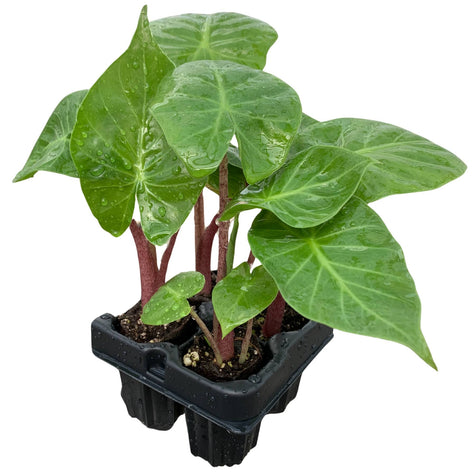
- Colocasia Black Ruffles (Elephant Ear)
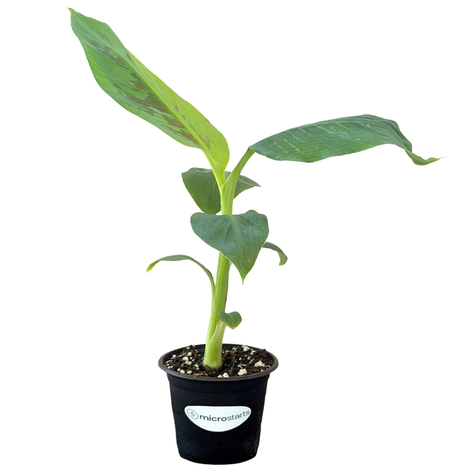
- Dwarf Cavendish Banana
- Zebrina Banana (Blood Banana)
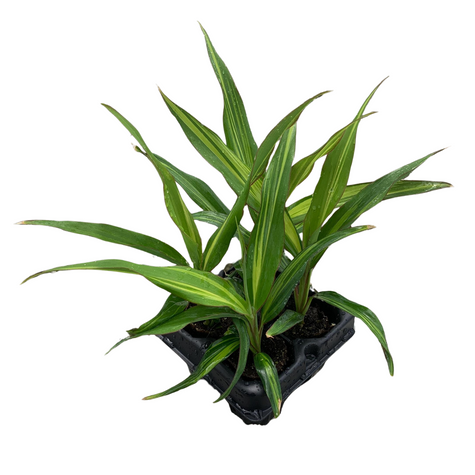
- Variegated Hawaiian Ti (Cordyline ‘Kiwi’)
- Mila Pineapple
The rest of our tropical lineup, such as our Alocasias and Ficus, can live outdoors in hot, humid, frost-free climates as well. In practice, though, more growers keep them in containers - even in places like South Florida or Hawaii - because they are fussier about wind, temperature swings, and light than the plants named above.

Beyond climate, it's worth knowing whether you're growing a plant as an annual or a perennial. Annuals grow and thrive through spring and summer, then die off in winter, while perennials come back on their own year after year. Most common houseplants are naturally perennial in their native range, and they'll behave the same way in a comparable climate. The easiest way to check if a plant can be grown as a perennial in your area is to check if your USDA hardiness zone matches the plant’s hardiness zone. If your zone is colder than what the plant generally tolerates, you can usually still grow it outdoors for the summer, but expect it to die back over winter unless you bring it inside or give it some protection.
Got your eye on one of our hardier tropicals for your yard or planter? Our guide below covers what to know about each one before you plant it outside.
Colocasia Black Ruffles (Elephant Ear)
USDA Zone: 8-11

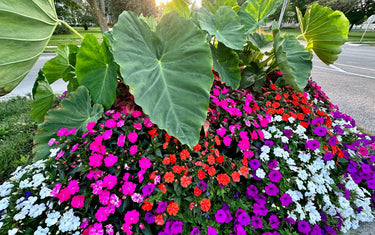
This one might be the single most-planted "houseplant" in American gardens every summer. Elephant ears show up in garden centers alongside annuals and perennials every spring, and gardeners plant them directly in beds for their dramatic tropical foliage.
How to Plant Outdoors: Plant in loamy, fertile soil that holds some moisture, in part shade to full sun, with 3-6 feet of elbow room. Colocasias are genuinely happy in boggy spots or at the edges of water features - Colocasias naturally grow in very wet areas, and are more sensitive to underwatering than overwatering.
Special Considerations: In regions lower than USDA Zone 8, gardeners either treat Colocasia ‘Black Ruffles’ as an annual - letting the plant die off in winter and buying new plants every spring - or dig up the plants’ corms after the first frost, store them somewhere cool and dry over winter, then replant in late spring. Also, remember that Colocasias are toxic to people and pets, and are probably best kept away from play areas and dog runs.
Dwarf Cavendish Banana
USDA Zone: 9-11

Yes, the banana on your kitchen counter and the banana plant in your living room can be the same species, and yes, they can be grown outside! Dwarf Cavendish banana plants grown outside in appropriate conditions are more likely to produce fruit than when grown indoors, so if you’re looking for fruit, outdoors may be the way to go.
How to Plant Outdoors: Full sun, rich and well-draining soil, and - very important! - wind protection. The big, paddle-shaped leaves of banana trees shred easily in open, gusty spots, so plant near a fence, wall, or other structure that breaks the wind. A healthy, established plant can flower in around nine months and fruit not long after, though a younger or recently transplanted one may take up to two years before you see bananas.
Special Considerations: It's reliably perennial outdoors in zones 9-11. Growers outside of Zone 9 can often still grow Dwarf Cavendish bananas as container plants. They can be kept in a large pot outside for the summer and brought into a sheltered area before temperatures drop below 50°F - pots with feet or wheeled plant caddies make this much easier!
Zebrina Banana (Blood Banana)
USDA Zone: 9-11

The showier, more ornamental cousin of the Dwarf Cavendish is grown more for its deep maroon-splashed leaves rather than for fruit (though it can produce small, largely inedible bananas). It's a favorite for gardeners who want serious tropical drama.
How to Plant Outdoors: Same general playbook as Dwarf Cavendish: full sun to light shade, rich soil, and a sheltered spot out of harsh wind. Because it's grown for foliage, a little afternoon shade in the hottest climates can actually help keep the leaf color from scorching.
Special Considerations: Zebrina bananas are more cold-sensitive than Dwarf Cavendish, so treat its Zone 9-11 as its true outdoor comfort zone. In areas close to Zone 9, a heavy layer of mulch over the root zone can help a cut-back plant resprout from the base after a mild winter, but a hard freeze will still kill it to the ground or outright. Like Dwarf Cavendish, Zebrina bananas can be planted in containers to allow for outdoor growth in the summer and sheltered growth in the winter.
Variegated Hawaiian Ti
USDA Zone: 9-11

Also sold as Cordyline ‘Kiwi’ or Hawaiian Ti plant, Variegated Hawaiian Ti is a popular landscape plant in warm climates. You might see it used as a hedge, a border accent, or a pop of color against green foliage in yards across Florida, Hawaii, and coastal Southern California.
How to Plant Outdoors: It wants full sun to partial shade, well-draining soil, and regular water while it establishes. Because it's often used for hedges and borders, spacing depends on the look you're going for - tighter for a solid hedge, wider if you want individual specimens to show off the arching leaves.
Special Considerations: Variegated Hawaiian Ti won't tolerate a hard freeze, so in anything colder than Zone 9, it's strictly a container or indoor plant. Where winters are borderline freezing, they might be able to grow successfully in more sheltered areas and with heavy mulching, but a prolonged freeze will still set it back hard or kill it. They are used to high humidity, and may struggle in areas with low relative humidity.
Mila Pineapple PPAF
USDA Zone: 8-10

This is a variegated ornamental pineapple plant is primarily prized for its striped, colorful foliage, though it can also produce small, edible fruits. Pineapples are frequently grown in-ground outdoors in tropical areas, including Florida and other frost-free parts of the country.
How to Plant Outdoors: Full sun and sandy, well-drained soil - pineapples are surprisingly drought-tolerant once established and don't love wet feet.
Special Considerations: Pineapples need consistently warm conditions and are killed by any real freeze, which limits true in-ground, year-round growing to roughly zones 8-10 - think South Florida, Hawaii, and similarly frost-free pockets. Because Mila is a patented ornamental variety valued for its variegation, many gardeners in marginal zones choose to grow it in a large decorative pot instead, so it can be moved to a protected spot (or indoors) whenever a cold snap threatens.
Before You Plant: General Rules of Thumb
A couple of things apply across the board if you're thinking about moving any of these from windowsill to yard.
-
Check your actual USDA hardiness zone before you commit: a plant that's perennial two zones south of you may only survive as an annual, or not at all, where you are.
-
Full sun outdoors is a lot more intense than the "bright light" these plants tolerate indoors. If transitioning a plant from indoors to outdoors, ease them into direct sun over a week or two rather than moving them straight from a living room into blazing afternoon rays.
-
If you're just outside of a plant’s USDA hardiness zones, planting in containers may still be an option: you get the plant outside for the growing season, and the security of bringing it in before the first hard frost.
If you're not sure what plants will work best with your yard or hardiness zone, reach out to our support team! We are ready to help you choose the right varieties for your region and guide you toward healthy, thriving plants.
Frequently Asked Questions
What USDA hardiness zone do I need to grow these plants outdoors year-round?
Requirements vary by plant: Colocasia ‘Black Ruffles’ is perennial in zones 8-11, Dwarf Cavendish banana in zones 9-11, Zebrina banana in zones 9-11, Variegated Hawaiian Ti in zones 9-11, and Mila Pineapple in zones 8-10. Outside these ranges, the plants either die in winter or must be dug up, potted, or brought indoors before frost.
What happens if I plant one of these plants outside in a colder zone?
In zones colder than the plant's hardiness range, a hard frost will damage or kill it. Gardeners in borderline areas typically either grow the plant in a container and bring it indoors before temperatures drop, treat it as a disposable annual, or (for Colocasia ‘Black Ruffles’ or Variegated Hawaiian Ti) dig it up, store the corms or rhizomes over winter, and replant in spring.
How long does it take a banana plant to fruit outdoors?
Dwarf Cavendish banana plants require high humidity, adequate sunlight, appropriate nutrients, and regular watering to produce bananas - as such, they do not always produce fruit when grown indoors. With appropriate care, however, established Dwarf Cavendish bananas can fruit after about 9 months, while younger or recently transplanted banana plants may take up to two years.
Is Colocasia (elephant ear) safe to plant near kids or pets?
No. Every part of the Colocasia plant contains calcium oxalate crystals, which are toxic to humans, dogs, and cats. It's best avoided near play areas or spots where pets roam unsupervised.
Can Alocasia, Rubber Trees (Ficus elastica), and Council Trees (Ficus altissima) be planted in the ground outside?
Yes, in frost-free tropical zones. In practice, though, more growers keep Alocasia and Ficus elastica/altissima as container plants even in warm climates, since they're more sensitive to wind, cold snaps, and temperature swings than plants like Colocasia, bananas, or Variegated Hawaiian Ti.
What's the easiest way to try growing one of these plants outdoors if I'm unsure about my zone?
Grow it in a large container outdoors for the warm season, then move it indoors or to a sheltered spot before the first frost. This approach lets gardeners in any zone enjoy these plants outside without risking winter loss.

