
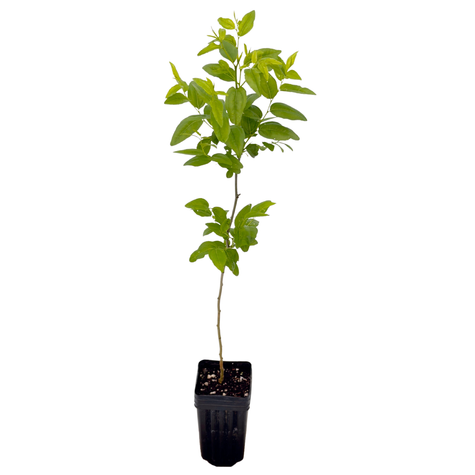
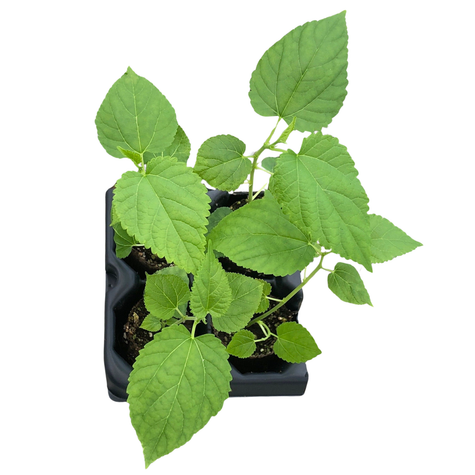
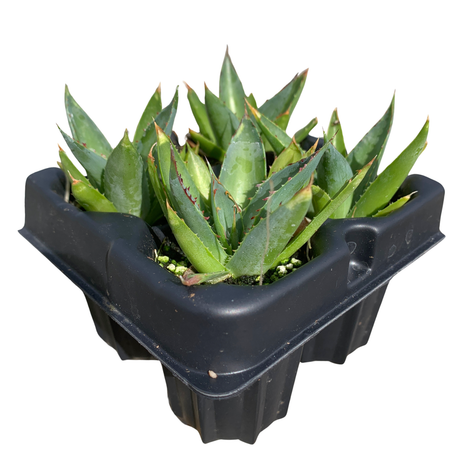
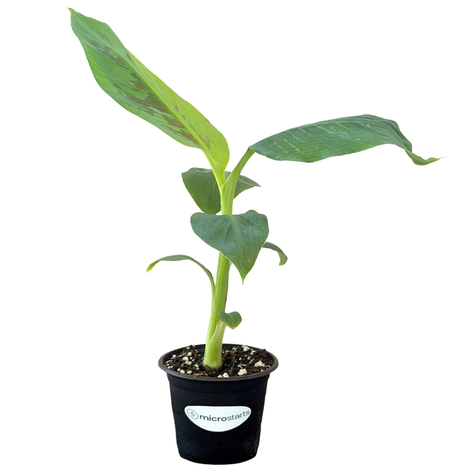
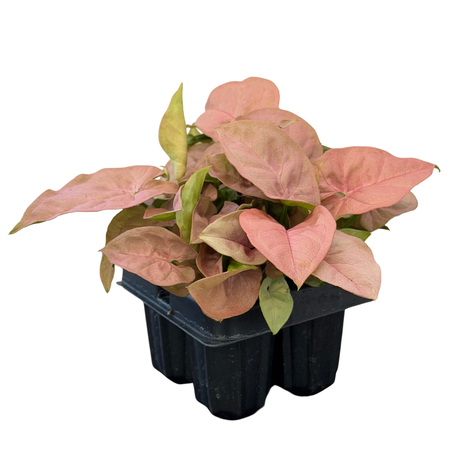
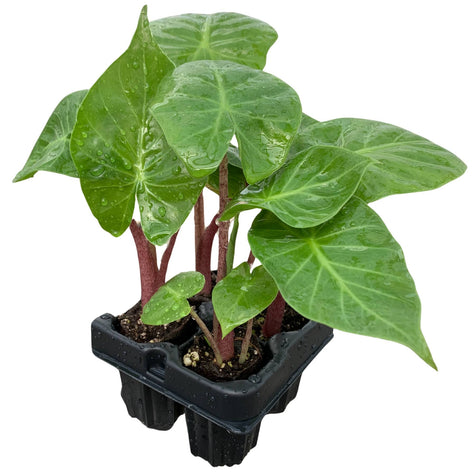
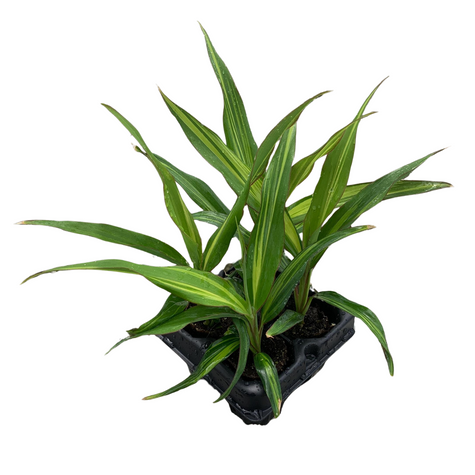
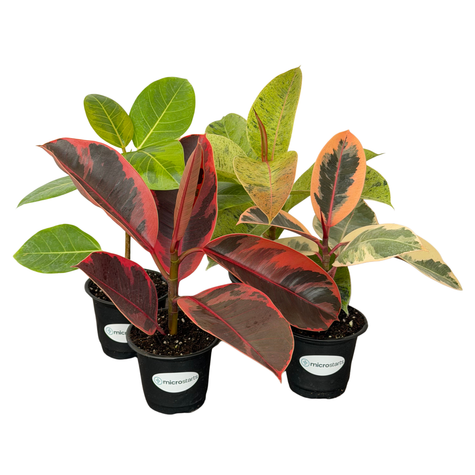
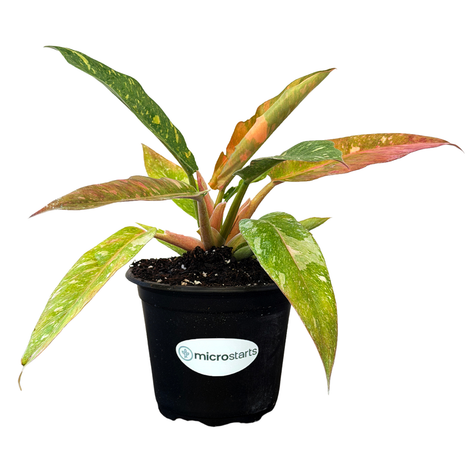
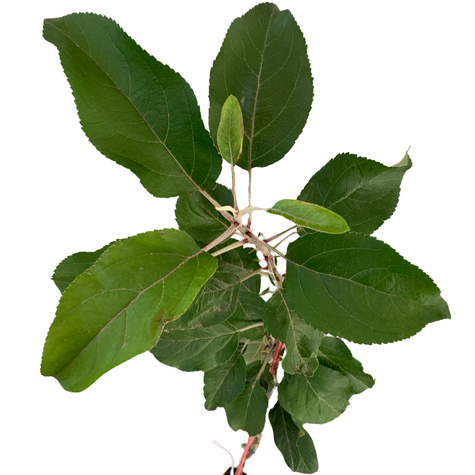
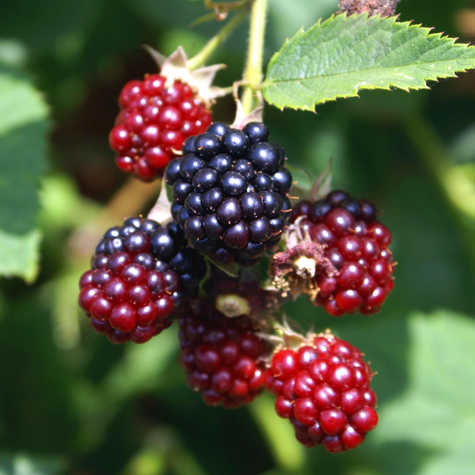
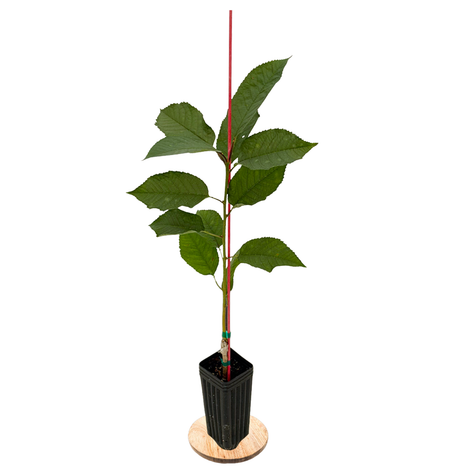
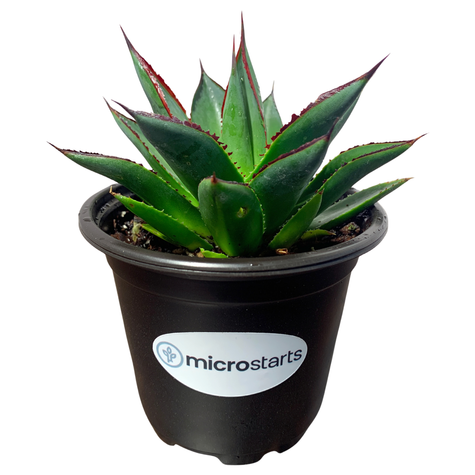
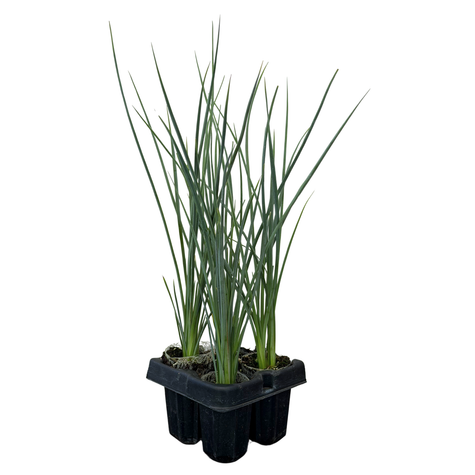
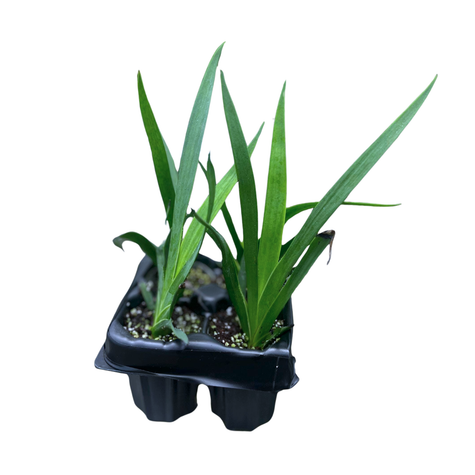
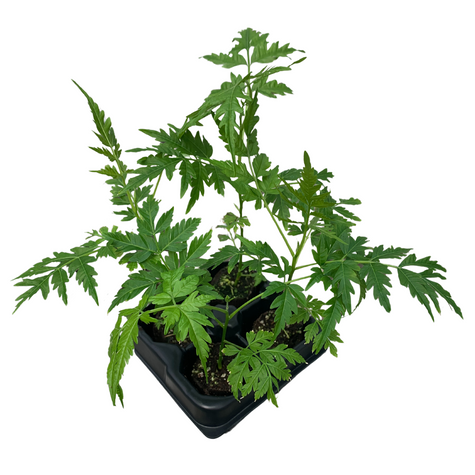
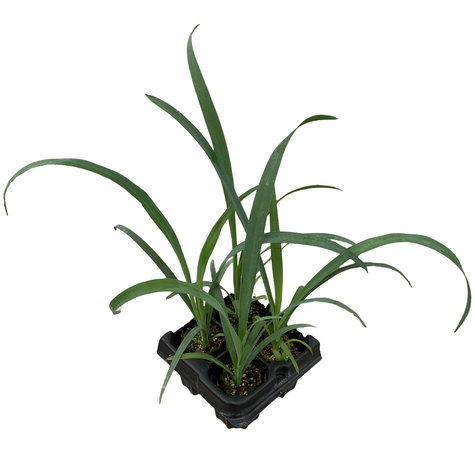
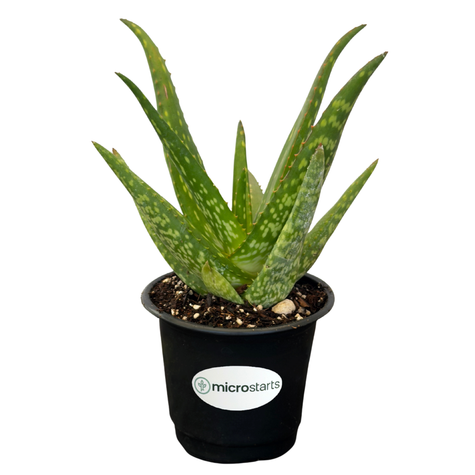
At MicroStarts, our specialty is starter plants - it's right there in our name! The majority of our plants are produced through tissue culture, a specialized propagation method that allows us to deliver clean, consistent, and high-quality plants. But what exactly is tissue culture, and why should it matter to you as a grower? Let’s take a closer look.
What is Tissue Culture?

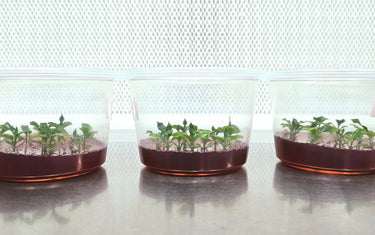
Tissue culture is a method of growing plants from tiny pieces of plant tissue in a sterile laboratory environment. Instead of starting with seeds or cuttings stuck in soil, tissue culture plants begin their lives in a test tube or culture vessel, surrounded by a precisely formulated nutrient gel. Tissue culture is also called micropropagation or in vitro propagation.
In short: plants are remarkably good at regenerating themselves. Under the right conditions, specific plant tissues can be grown into a new, complete, healthy plant. Tissue culture is the science of making that happen reliably, in a controlled lab environment, and at scale.
How It Works: A High-Level Overview
While the exact protocols vary by species, the tissue culture process generally follows a few key steps:

- Explant Selection: The process begins by selecting a small piece of plant material - called an explant - from a healthy, high-quality parent plant. This might be a shoot tip, a leaf segment, a node, or another small piece of tissue, depending on the species.
- Sterilization: Before the explant enters the lab, it's carefully sterilized to eliminate bacteria, fungi, and other contaminants. This is one of the most critical steps: a contaminated culture is a failed culture.
- Initiation: The sterilized explant is placed onto a nutrient-rich growth medium inside a sealed vessel. This is all done in a laminar flow hood (a sterile workspace with filtered air) to keep everything clean.
- Rooting: When the plants have reached the right size, they're transferred to a rooting medium that encourages them to develop their own root systems.
- Acclimatization (Hardening Off): Fresh tissue culture plants have been living in a humid, temperature-controlled environment with nutrients delivered directly through the gel. Before they're ready to go out into the world, they need time to adjust to normal humidity levels, soil, and light. This hardening-off stage is essential for setting them up for success in your home or garden.
Why Tissue Culture Matters
So why go to all that trouble? A few very good reasons:
Disease-Free Plants: Conventional propagation methods, such as cuttings, division, grafting, can unknowingly pass along viruses, bacteria, and fungi from plant to plant. Because tissue culture starts in a completely sterile environment and uses only healthy, vetted parent material, the resulting plants are free from the pathogens that commonly appear in conventionally grown plants.

True-to-Type Genetics: Tissue culture plants are clones of the parent plant, which means they're genetically identical to the variety you selected. This matters when you're buying named varieties - a specific agave cultivar, a particular blackberry, or a rare alocasia. You know exactly what you're getting: the right colors, the right growth habit, the right fruit.
Consistency and Scale: Because the process is tightly controlled and highly reproducible, tissue culture makes it possible to produce large numbers of consistent, uniform plants. Every plant in a tissue culture batch starts from the same genetic material and goes through the same process - which translates to more reliable results for you.
Produce Rare or Hard-to-Propagate Plants: For species that are difficult to grow using traditional methods - whether they’re slow to multiply, produce few offsets, or exist in limited numbers - tissue culture provides a reliable way to produce larger quantities. This approach helps make these plants more available, while reducing the need to collect from wild populations.
What This Means for MicroStarts Plants

When you order from MicroStarts, you're getting plants that started their lives in a sterile lab rather than a field or open greenhouse. That means they arrive clean - no hidden pathogens or soil-borne pests - and they are genetically true.
Our starter plants are also young, which means they have their whole growing life ahead of them. And because they've been produced with precision from the start, they're built on a strong foundation: healthy roots, vigorous genetics, and a clean bill of health.
Whether you're growing drought-tolerant agaves and hesperaloe in your landscape, building out a collection of houseplants, or planting fruit trees for the years ahead, tissue culture gives your plants the best possible start.
Frequently Asked Questions
Are tissue culture plants grown on their own roots?
Yes. Tissue culture plants develop their own root systems during the rooting stage, so what you receive is a fully self-supported plant. In most cases, this means no grafting and no separate rootstock - the plant is the selected variety through and through, right down to the roots.
The only plants we produce that are an exception to this are grafted fruit and nut trees. While the rootstock itself is produced through tissue culture, it is later grafted with a different variety to achieve specific performance traits. This grafting is important because the rootstock is bred to be more disease and pest resistant, while the variety grafted onto it is bred for fruit quality, yield, etc. Any MicroStarts plants that are grafted will be clearly labeled in their Plant Characteristics section.

Do tissue culture plants grow slower than plants grown from seed?
Generally, no - and in most cases, they grow faster. Seed-grown plants are genetically variable and have to spend energy sorting out their own development. Tissue culture plants are clones of proven, high-performing parent stock, and because they start disease-free with vigorous genetics, they tend to establish and grow quickly once they've adjusted to their new environment. The one thing to keep in mind is that our starter plants are young, so they need a little time to get established, but that's true of any young plant, regardless of how it was propagated.
For plants that produce fruit, does it take them longer to start fruiting if they're grown from tissue culture?
This is a common misconception, and the short answer is no. Fruiting timelines for tissue culture plants are comparable to other clonally propagated plants - cuttings, divisions, layering - because they're all starting from mature plant genetics. The variety is already past its juvenile phase. Where you'd see a longer wait is with seed-grown plants, which have to go through that juvenile period before they're developmentally ready to flower and fruit. Since our fruit trees and fruiting shrubs are propagated from tissue culture rather than seed, you're not starting from square one.

Do tissue culture plants need any special care compared to conventionally grown plants?
Once they’re established, no - they grow just like any other plant of the same size and Our plants that are shipped in tree pots and 1 gallon pots will need a short time to acclimate to their new environment. We recommend easing them into their permanent location rather than placing them directly in full sun or very dry conditions. Once they’ve settled in - usually within a couple of weeks - they take off and grow normally.
MicroStarts starter plants intended for outdoor growing do need a transition period after arrival. These starter plants that are shipped in their plugs are very young and just like a seedling or cutting that is small in size, these plants do need more care than a larger and more established plant would. They are fresh from our greenhouses, and they’re used to warm, humid, highly controlled conditions, so they benefit from a gradual adjustment to the drier air and more variable outdoor conditions.
Will tissue culture plants stay true to the variety, or can they revert over time?
Because tissue culture plants are clones, they carry the same genetics as the parent plant and will maintain those characteristics throughout their life under normal growing conditions. For tissue cultured fruit trees, this means that any suckers that sprout from the base will be true to the variety.
Reversion - where a variegated houseplant temporarily or permanently produces greener growth - is occasionally seen in variegated varieties. However, this is not specific to tissue culture and can occur in any variegated plant, regardless of how it was propagated. For non-variegated plants, it is generally not a concern at all.

