
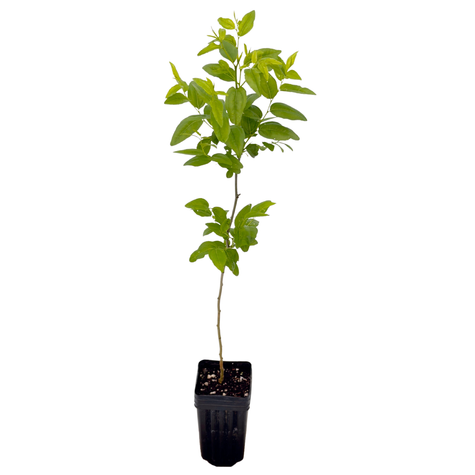
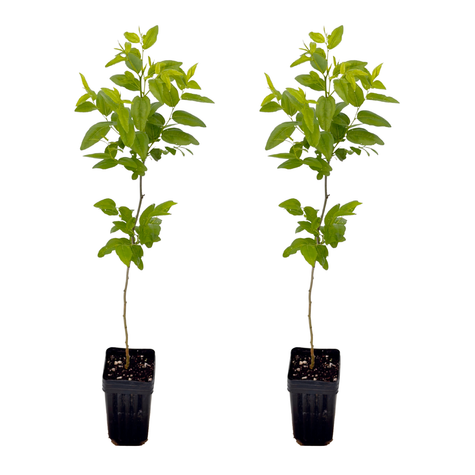
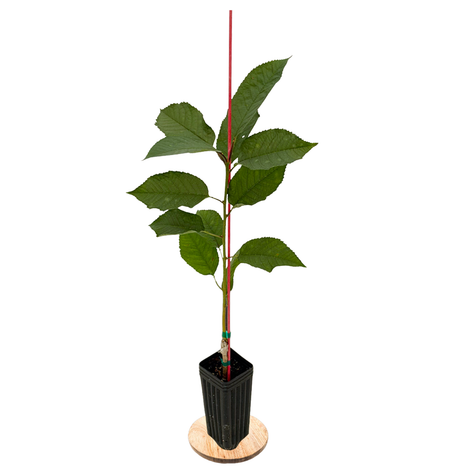

If you haven't heard of jujube trees yet, you're not alone - but that's rapidly changing. Jujube trees are growing in popularity among American home gardeners, and for good reason: these remarkable trees produce delicious, nutritious fruit while requiring minimal maintenance, thriving in drought conditions, and boasting natural pest and disease resistance.
Whether you’re an experienced orchardist looking to expand your backyard harvest or a first-time grower seeking a low-maintenance, rewarding fruit tree, jujubes are a standout choice. This article provides a high-level overview of what makes jujube trees - especially MicroStarts’ GA-866 - a standout choice in modern gardens.
What Are Jujube Trees?
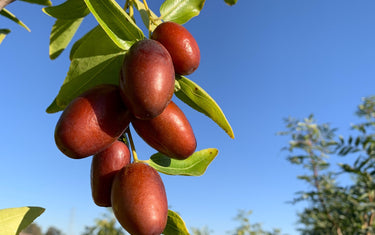
Jujube trees (Ziziphus jujuba, 枣), also known as Chinese dates or red dates, produce small, oval fruits. The fruit starts green and crunchy - similar to an apple - then ripens to a reddish-brown color with a sweet, chewy texture reminiscent of dates. They feature attractive glossy leaves, and summer flowers.
Jujube GA-866

MicroStarts offers Jujube GA-866 as both starter plants and in larger plantings. Among available varieties, GA-866 has quickly become the gold standard for home growers thanks to its consistent, heavy yields, and outstanding eating quality. Its fruit is larger and more elongated that other cultivars. The fruit offers a crisp, crunchy texture with a mild, floral sweetness (reminiscent of an apple), becoming even sweeter and more date-like as it matures. Excellent both fresh and dried, GA-866 is also one of the sweetest jujube varieties available.
Jujube trees are relatively fast producers, with MicroStarts jujubes typically beginning to fruit within just 2-3 years.
Why Jujubes Are Trending
The Perfect Tree for Climate Challenges
As water conservation becomes increasingly important across the United States, gardeners are seeking fruit trees that can thrive with minimal irrigation. Jujube trees are drought-tolerant once established (being native to arid regions in China), making them ideal for water-wise gardens.
Environmentally-Conscious Fruit Production
Struggling with pest or disease issues on your apple or peach trees? Jujubes are resistant to many pests and pathogens that plague other fruit trees, making them perfect for organic gardeners and anyone wanting a low-maintenance fruit crop.
Nutritious and Delicious
Jujubes aren’t just easy to grow - they’re popular because they're nutritious and taste great! Rich in vitamin C and other nutrients, they’re gaining attention as consumers seek foods that are both delicious and functional, making jujubes a standout for homegrown fruit.
Adaptable to Many Climates
Unlike many fruit trees that have strict climate requirements, jujubes can thrive in varied climates. Jujube GA-866 can thrive throughout USDA Zones 6-11 - a wider range than many fruit producing trees. They have a very low chilling requirement (meaning they don't need many cold winter hours), making them productive even in mild-winter climates where other deciduous fruit trees struggle. At the same time, they're also cold-hardy enough for many northern gardens, and can survive temperatures below zero.
Why Choose Tissue-Cultured Jujube Trees?
At MicroStarts, our GA-866 jujube trees are propagated using advanced tissue culture techniques, producing vigorous, disease-free plants that establish quickly and grow uniformly. Because they’re grown in sterile laboratory conditions from healthy stock, you can be confident your trees are free of disease. Tissue culture also ensures each plant is true-to-type, delivering the authentic GA-866 genetics with all the superior qualities - flavor, size, and consistent fruiting - that make this variety so popular.
Common Questions About Growing Jujube GA-866
Q: Will Jujube GA-866 grow in my climate?
A: MicroStarts’ Jujube GA-866 does best in USDA zones 6-11.
Q: Does Jujube GA-866 require cross-pollination?
A: Jujube GA-866 can self-pollinate and is self-fruitful (meaning an individual can produce fruits with its own pollen), but benefits from cross pollination.
Q: When do GA-866 jujubes ripen?
A: While exact timing may vary by location and climate, jujube GA-866 typically ripens in mid- to late-September.
Q: Can I grow Jujube GA-866 in containers?
A: Yes! They'll stay smaller, but can still produce fruit - perfect for patios or small spaces.
The Bottom Line: Why Jujubes Deserve a Place in Your Garden
In an era of unpredictable weather, water restrictions, and the desire for homegrown nutrition, jujube trees check every box:
- Drought-tolerant without sacrificing productivity
- Pest and disease resistant to support organic growing
- Nutritious fruit that's delicious fresh or dried
- Climate adaptable across most of the United States
- Low maintenance for busy gardeners
- Beautiful as landscape trees
Whether you're building a drought-tolerant landscape, planning a backyard orchard, or simply want an easy, rewarding fruit tree, jujubes are one of the best choices you can make.
Start Your Jujube Journey Today
Ready to add this remarkable tree to your garden or home orchard? Browse our available sizes to find the perfect tree for your space. Looking for something different? Explore our full collection of fruit and nut trees and discover other delicious, homegrown possibilities for your yard.
For questions about jujubes - or any of our other orchard options - reach out to support@microstarts.com! Our knowledgeable team is here to guide you every step of the way, from choosing the right variety to ensuring your trees thrive. We’re committed to helping you grow successfully and enjoy the fruits of your labor!

