
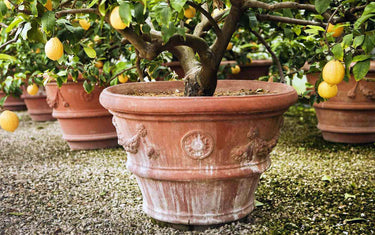
Think you need a big backyard to enjoy fresh fruit from your own trees? Think again! Growing fruit trees in containers is a great way to bring a little orchard to patios, balconies, and smaller outdoor spaces. It's also a convenient option for gardeners who want more control over their growing environment or simply enjoy the flexibility of container gardening.
While not every fruit tree is suited to life in a pot, many varieties can grow happily in containers with the right care. Here's what to know before getting started!
1. Choose the Right Fruit Tree
The first step is choosing a tree that can adapt well to container growing. Some fruit trees naturally have more manageable growth habits, while others can be maintained at a smaller size with regular pruning.
A few good options to consider include:

-
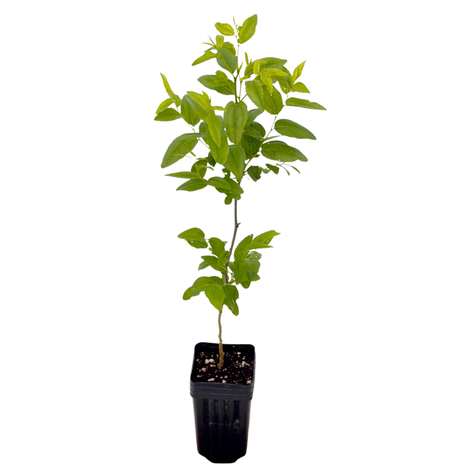
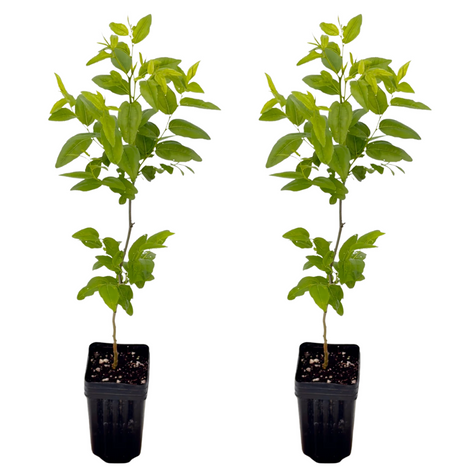
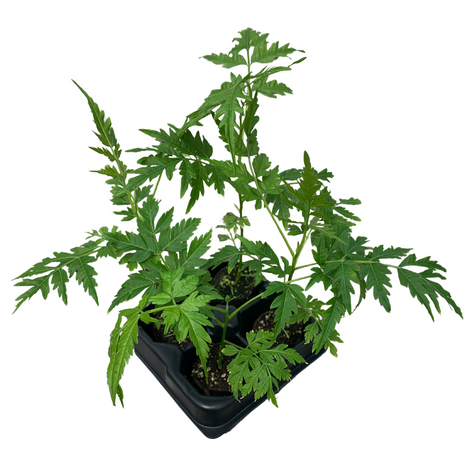
Jujube: Known for their sweet, crisp fruit and impressive heat and drought tolerance, jujubes - such as jujube GA-866 - can adapt well to container growing. They also tend to be relatively low-maintenance once established.
-
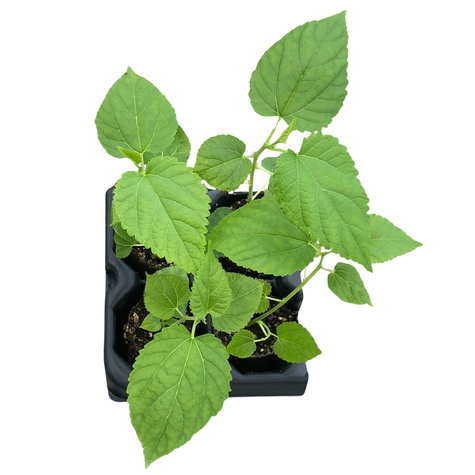
Mulberry: Certain mulberry varieties (such as Dwarf Everbearing Mulberry) have manageable growth habits and produce plenty of sweet fruit. Dwarf and compact varieties are especially appealing for container gardens.
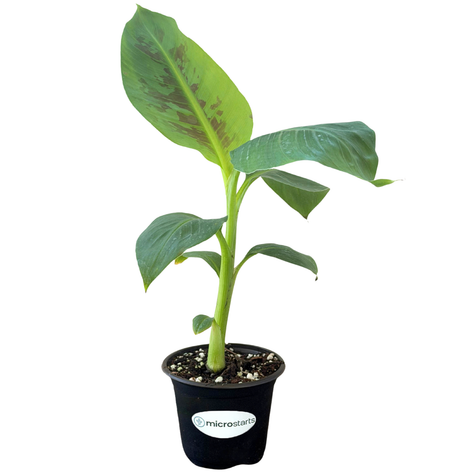
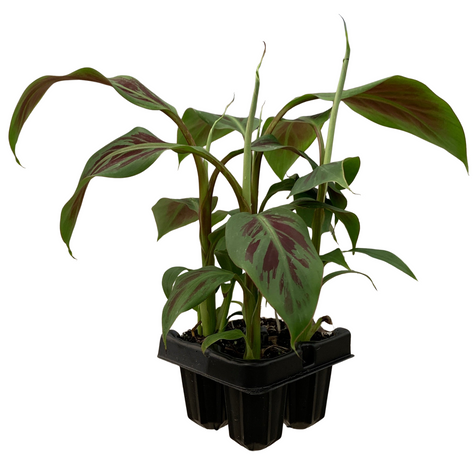
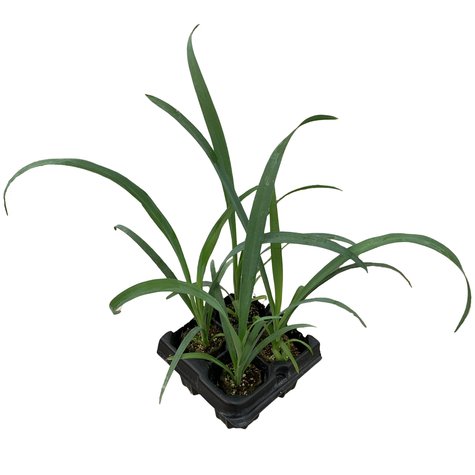
- Bananas: In warm, tropical climates, compact varieties like Dwarf Cavendish can thrive in containers, adding a lush, tropical touch to patios and outdoor spaces.
When choosing a tree, pay attention to its mature size, climate requirements, and whether it needs another tree nearby for pollination (see our apple and cherry pollination guides). A little research upfront can save you trouble later!
2. Pick a Suitable Container

Your tree's container is its home, so it's important to give it enough room to grow. A pot that's too small can restrict root development and make it harder to maintain consistent moisture.
For young fruit trees, you can start with a moderately sized container and move up as the tree grows. Avoid jumping straight into a large pot, as soil that stays wet for too long can create problems for developing roots.
Whatever container you choose, make sure it has adequate drainage holes. Good drainage is essential for healthy roots, and excess water should always be able to escape.
You should also consider the container's material and weight. Plastic pots are lightweight and easy to move, while ceramic and terracotta containers can be heavier but offer different drainage characteristics and a different look. If you plan to move your tree around, a wheeled plant caddy can make life much easier!
3. Use Well-Draining Potting Soil
Container-grown fruit trees need a growing medium that retains enough moisture to support healthy growth without becoming waterlogged.
A quality potting mix designed for outdoor containers is a good starting point. Avoid using heavy garden soil by itself, as it can become compacted in containers and restrict proper drainage.
Over time, potting mix can break down and lose some of its structure. Keep an eye on your tree's growing conditions, and refresh or replace its soil when needed.
4. Give Your Tree Plenty of Sunlight

Most fruit trees need plenty of sunlight to grow well and produce fruit. In general, aim for a location that receives at least six to eight hours of direct sunlight each day.
One of the advantages of container gardening is flexibility: if your patio or yard has areas with different sunlight conditions throughout the day or year, you can move your tree to find a better spot.
Just remember that containers can heat up quickly in direct summer sun, especially those in dark-colored pots. Keep an eye on soil moisture during hot weather, and make adjustments as needed.
5. Water Consistently
Watering is one of the biggest differences between growing fruit trees in the ground and growing them in containers.
Potted trees generally dry out faster because they have a limited amount of soil available to hold moisture. During warm weather, you may need to water more frequently, particularly as your tree grows.
Rather than following a strict watering schedule, check the soil regularly. If the top couple of inches feel dry, it's generally a good indication that your tree could use a drink. Water thoroughly until excess water begins draining from the bottom of the container.
Keep in mind that watering needs change with the seasons. Trees typically need less water during cooler months when growth slows down.
6. Don't Forget Fertilizer

Growing in a container means your tree has access to a limited supply of nutrients. Regular fertilization can help replenish what gets used up over time.
Choose a fertilizer appropriate for fruit trees and follow the application instructions on the label. Avoid overfertilizing, as too much fertilizer can damage roots or encourage excessive leafy growth at the expense of fruit production.
Your tree's nutritional needs will vary depending on its age, growth rate, and the time of year, so pay attention to how it's growing and adjust your routine accordingly.
7. Prune to Manage Growth
One of the benefits of growing fruit trees in containers is having more control over their size. Occasional pruning can help maintain a manageable shape, encourage healthy branching, and keep your tree from outgrowing its space.
Remove dead, damaged, or crossing branches as needed, and trim back excessive growth when appropriate for the tree variety.
Keep in mind that pruning requirements differ between fruit trees. Some varieties produce fruit on newer growth, while others fruit on older branches, so it's worth looking up the best pruning approach for your particular tree.
8. Protect Your Tree During Winter

If you live somewhere with cold winters, you'll need to give some thought to protecting your container-grown fruit trees when winter comes.
Tree roots in containers are more exposed to cold temperatures than roots growing in the ground - even varieties that are winter-hardy when planted in the ground may need extra protection when grown in pots.
Depending on your climate and the variety you're growing, you may need to move your tree to a sheltered location, insulate its container, or bring it indoors for the winter.
For tropical and subtropical fruit trees, you may need to bring them indoors before temperatures drop too low. Always check the cold-hardiness requirements of your particular variety before deciding how to overwinter it.
Ready to Start Your Container Orchard?
Growing fruit trees doesn't have to mean dedicating a large portion of your yard to an orchard. With the right variety, a suitable container, and a little attention to watering and general care, you can enjoy growing your own fruit in surprisingly small spaces.
Whether you're working with a sunny patio, a compact backyard, or just a few open spots on your deck, container-grown fruit trees are a fun way to make the most of your space. Start with a variety you love, give it room to grow, and enjoy watching your little container orchard take shape!

