
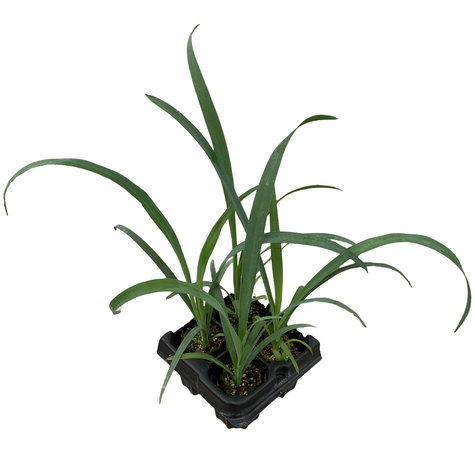
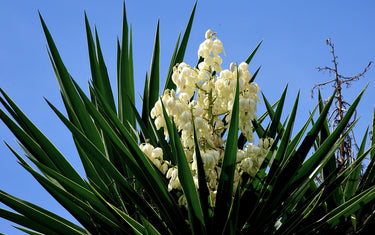
When designing a water-wise landscape that doesn’t compromise on beauty, few plant groups perform as reliably as yucca and hesperaloe (commonly known as “Red Yucca”). These eye-catching plants bring bold, sword-like foliage while thriving in heat, sun, and drought across a wide range of climates.
Whether you’re looking for low-maintenance perennials that attract hummingbirds or tough, full-sun performers, understanding the differences between red yucca and true yucca varieties will help you choose the best fit for your space. In this article, we’ll highlight some of the most popular options on the market (all available through MicroStarts or coming soon!) to help you create a vibrant, drought-tolerant garden.
Understanding Red Yucca vs. True Yucca
Despite its common name, red yucca (Hesperaloe parviflora) isn't actually a yucca. While both belong to the Asparagaceae family, they are classified in separate groups (called “genera”, singular “genus”) due to their distinctive features, including flower form and growth habit.

True yuccas usually produce striking white or cream, bell-shaped flowers on tall spikes, flowering either annually or every two to three years, depending on the species. Hesperaloe species bloom annually with tubular flowers, making them a reliable source of color that hummingbirds can't resist. Additionally, although both plants begin as clumps of arching foliage, many true yuccas eventually form woody, above-ground stems or trunks as they mature, and with noticeably stiffer leaves than hesperaloes.
True yuccas are also more diverse, with around 40 recognized species that range across much of the United States, Mexico, Central America, and even into parts of Canada. In contrast, hesperaloes are a much smaller group, with only 5-8 naturally occurring species native to southern Texas and northeastern Mexico.
Despite their differences, both genera are outstanding choices for low maintenance xeriscaping (desert-inspired low-water landscape) designs. Next, we’ll explore some of the most popular varieties and what makes each one distinctive, summarizing with an easy-to-reference chart at the end.
Red Yucca Varieties: The Hummingbird Magnets
Pink Desert Hesperaloe (Hesperaloe parviflora 'Pink Desert')

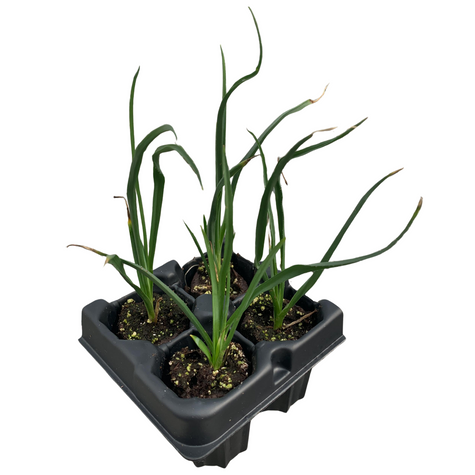
Red and pink cultivars are some of the most popular Hesperaloe choices for gardens, producing arching clumps of slender, grass-like foliage topped with stalks of small sunset colored tubular flowers. Pink Desert distinguishes itself by with pinkish-orange flower stalks from late spring through fall.
Best For: Adding continuous summer color, attracting pollinators, low maintenance desert landscaping
Mature Size: 2-3' tall, 2-3' wide
Bloom Color: Coral Pink
Hardiness: Zones 5-10
Availability: 4 pack, 8 pack, 16 pack
Red Swan Hesperaloe (Hesperaloe parviflora 'Red Swan')

This compact hesperaloe produces vivid coral-red flowers. Its striking color makes ‘Red Swan’ a standout in the garden and pairs beautifully with lighter white and pink desert blooms.
Best For: Smaller gardens, container planting, mass plantings in commercial landscapes
Mature Size: 2-3' tall, 2-3' wide
Bloom Color: Coral Red
Hardiness: Zones 5-10
Availability: 4 pack, 8 pack, 16 pack
Yellow Hesperaloe (Hesperaloe parviflora 'Yellow')

A striking alternative to the common red and pink forms, 'Yellow' offers the same hummingbird-attracting tubular blooms in soft yellow tones. This variety brings a cooler color palette to drought-tolerant gardens while maintaining all the toughness of its warmer-colored cousins.
Best For: Contemporary landscapes, attracting pollinators, pairing with purple or blue flowering plants
Mature Size: 2-4' tall, 2-4' wide
Bloom Color: Yellow
Hardiness: Zones 5-11
Availability: 4 pack, 8 pack, 16 pack
True Yucca Varieties: Architectural Statements for Every Garden
Soft-Leafed Yucca (Yucca recurvifolia 'Pendula')

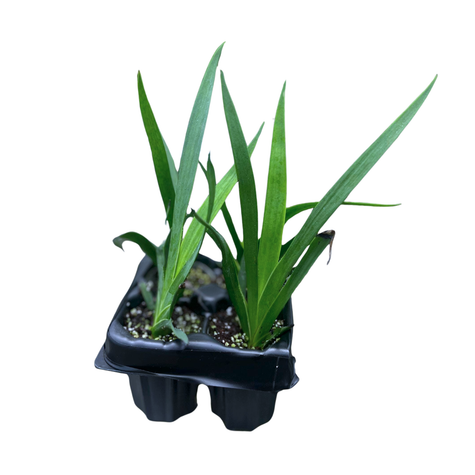
Blooms during late spring to summer, with 2-5’ tall flower stalks topped with clusters of creamy white, bell-shaped flowers. Unlike most yuccas with stiff, upright leaves, 'Pendula' features gracefully arching blue-green foliage that creates a softer, fountain-like form. This curving habit makes it ideal for plant arrangements where you want bold presence without harsh angles.
Best For: Contemporary designs, softening hardscape edges
Mature Size: 4-6' tall, 4-6' wide
Bloom Color: Creamy White
Hardiness: Zones 7-11
Availability: 4 pack, 8 pack, 16 pack
Moundlily Yucca (Yucca gloriosa)

Also known as Spanish Dagger, Yucca gloriosa is a trunk-forming yucca with stiff, spine-tipped leaves and spectacular 4-6' tall flower spikes with showstopping white bell-shaped flowers that bloom in late spring through early summer. It is among the most cold-hardy yuccas and thrives in full sun with virtually no supplemental water once established.
Best For: Coastal gardens, security plantings, large landscaping projects
Mature Size: 6-10' tall, 6-10' wide
Bloom Color: Creamy White
Hardiness: Zones 7-11
Availability: Coming soon!
Variegated Spanish Dagger (Yucca gloriosa 'Variegata')

All the toughness of standard Yucca gloriosa, but in a smaller form and with the added interest of creamy yellow leaf margins. This variegated form brightens shaded areas while maintaining excellent drought resistance.
Best For: Brightening darker garden corners, year-round color
Mature Size: 2-4' tall, 2-4' wide
Bloom Color: White
Hardiness: Zones 7-11
Availability: Coming soon!
Color Guard Adam’s Needle (Yucca filamentosa 'Color Guard')

A show-stopping variegated selection with bright yellow centers and dark green margins. Between its evergreen foliage and cream-white flowers in mid-late summer, ‘Color Guard’ brings year-round color impact.
Best For: Focal points, cold-climate xeriscaping, modern landscapes
Mature Size: 3-6' tall, 3-4' wide
Bloom Color: Creamy White
Hardiness: Zones 4-10
Availability: Coming soon!
Bright Edge Variegated Yucca (Yucca filamentosa 'Bright Edge')

The reverse of 'Color Guard', with green centers and bright yellow margins, plus decorative curly threads along leaf edges. This Adam's Needle selection offers outstanding cold hardiness for northern gardens.
Best For: Cold-climate xeriscaping, year-round color, edging and borders
Mature Size: 2-3' tall, 3-4' wide
Bloom Color: White
Hardiness: Zones 4-9
Availability: Coming soon!
Variegated Adam’s Needle (Yucca filamentosa 'Gold Heart')

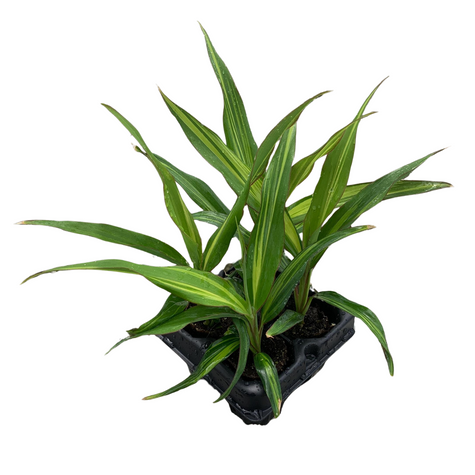
Among the most vibrant of the hardy yuccas, its sword-like leaves with golden centers provide a bold contrast to surrounding greenery, while its seasonal flower spikes add additional flair.
Best For: Cold-climate xeriscaping, brightening darker garden corners, year-round color
Mature Size: 2-3' tall, 2-3' wide
Bloom Color: White
Hardiness: Zones 4-9
Availability: Coming soon!
Magenta Magic Yucca (Yucca aloifolia 'Magenta Magic')

A unique drought-tolerant plant with narrow, purplish-magenta leaves. This dwarf yucca variety brings unexpected color to the typically green, yellow, and white yucca palette while maintaining excellent heat and drought tolerance.The unique pink tones in the leaves make this an absolute stand out yucca, perfect for adding a year round pop of color to your succulent garden or xeriscape design.
Best For: Coastal gardens, tropical-style xeriscaping, year-round color
Mature Size: 1-2' tall, 1-2' wide
Bloom Color: White
Hardiness: Zones 7-9
Availability: Coming soon!
Sapphire Skies Beaked Blue Yucca (Yucca 'Sapphire Skies')

A trunked yucca featuring a perfectly rounded crown of narrow, finely textured leaves in a rich silvery-blue. The arching blades create a soft, fountain-like silhouette atop the trunk, giving the plant a clean, sculptural presence. The gorgeous silver leaves are a perfect compliment to the glorious spikes of white flowers that bloom in late spring through early summer.
Best For: Small gardens, containers, pairing with warm-toned plants
Mature Size: 6-10' tall, 3-5' wide
Bloom Color: White
Hardiness: Zones 5-10
Availability: Coming soon!
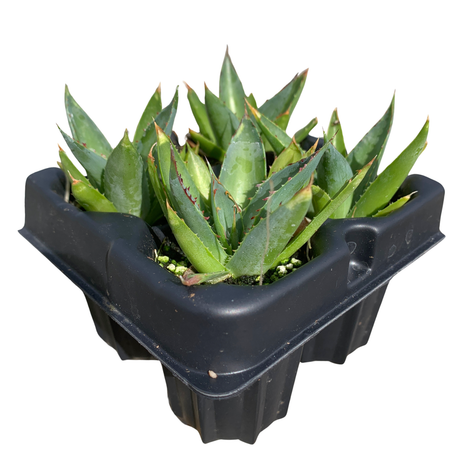
Special Mention: MacDougall’s Century Plant (Furcraea macdougalii)

Though neither a true yucca nor a hesperaloe, Furcraea macdougalii is worth noting as a related plant that offers similar appeal for low-water landscapes. A rare find in garden centers, this Mexican native forms large rosettes of blue-green leaves and eventually sends up a spectacular branched flower spike that can reach up to 20 feet tall. While it is monocarpic, meaning the plant dies after flowering, it produces offsets that continue the plant’s growth.
Best For: Focal points, tropical-style xeriscaping, large landscaping projects
Mature Size: 10-18’ tall, 6-8' wide, 20' flower spike
Bloom Color: Greenish-White
Hardiness: Zones 9-11
Availability: 4 pack, 8 pack, 16 pack
Red Yucca, Yucca, and Furcraea At-a-Glance
| Variety | Mature Size | Bloom Color | USDA Hardiness Zone | Best For |
|---|---|---|---|---|
| Pink Desert Hesperaloe | 2-3' tall x 2-3' wide | Coral Pink | 5-10 | Adding continuous summer color, attracting pollinators, low maintenance desert landscaping |
| Red Swan Hesperaloe | 2-3' tall x 2-3' wide | Coral Red | 5-10 | Smaller gardens, container planting, mass plantings in commercial landscapes |
| Yellow Hesperaloe | 2-4' tall x 2-4' wide | Yellow | 5-11 | Contemporary landscapes, attracting pollinators, pairing with purple or blue flowering plants |
| Soft-Leafed Yucca | 4-6' tall x 4-6' wide | Creamy White | 7-11 | Contemporary designs, softening hardscape edges |
| Moundlily Yucca | 6-10' tall x 6-10' wide | Creamy White | 7-11 | Coastal gardens, security plantings, large landscaping projects |
| Variegated Spanish Dagger | 2-4' tall x 2-4' wide | White | 7-11 | Brightening darker garden corners, year-round color |
| Adam’s Needle | 3-6' tall x 3-4' wide | Creamy White | 4-10 | Focal points, cold-climate xeriscaping, modern landscapes |
| Bright Edge Variegated Yucca | 2-3' tall x 3-4' wide | White | 4-9 | Cold-climate xeriscaping, year-round color, edging and borders |
| Variegated Adam’s Needle | 2-3' tall x 2-3' wide | White | 4-9 | Cold-climate xeriscaping, brightening darker garden corners, year-round color |
| Magenta Magic Yucca | 1-2' tall x 1-2' wide | White | 7-9 | Coastal gardens, tropical-style xeriscaping, year-round color |
| Sapphire Skies Beaked Blue Yucca | 6-10' tall x 3-5' wide | White | 5-10 | Small gardens, containers, pairing with warm-toned plants |
| MacDougall’s Century Plant | 10-18’ tall x 6-8' wide, 20' flower spike | Greenish-white | 9-11 | Focal points, tropical-style xeriscaping, large landscaping projects |
Care Tips for Water-Saving Success
All yucca and hesperaloe varieties thrive with similar low-maintenance care:
Soil: Well-draining soil is essential. Amend heavy clay with pumice or coarse sand.
Water: Minimal once established. Deep watering every 2-4 weeks in summer for best appearance; even less for mature plants.
Fertilizer: Little to none needed. Light application of balanced fertilizer in spring if desired.
Pruning: Remove spent flower stalks. Trim dead or damaged leaves as needed.
Sun: Full sun for best performance. Most tolerate partial shade but may bloom less.
Landscaping for the Future
As water conservation becomes increasingly important, these drought-tolerant plants prove you don't have to sacrifice beauty for sustainability. Whether you're drawn to the hummingbird appeal of coral yucca, the drama of blue yucca varieties, or the year-round color of variegated selections, both yucca and hesperaloe deliver exceptional garden performance with minimal resource input.
Using hesperaloe’s smaller mature size and bright colored flowers to pair with true yucca’s white flowers and tendency to form trunks as they mature, you can create a gorgeous landscape that requires minimal water. With these two species, you can create waterwise pollinator gardens that will remain resilient for years to come.
From hardy perennials for northern gardens to heat-loving specimens for southwestern landscapes, this diverse plant group offers options for nearly every climate zone and design style. Unsure whether yucca, hesperaloe, or another drought-tolerant plant is right for your project? Our knowledgeable team is here to guide you in selecting the perfect plants to meet your design goals and thrive in your landscape.

