
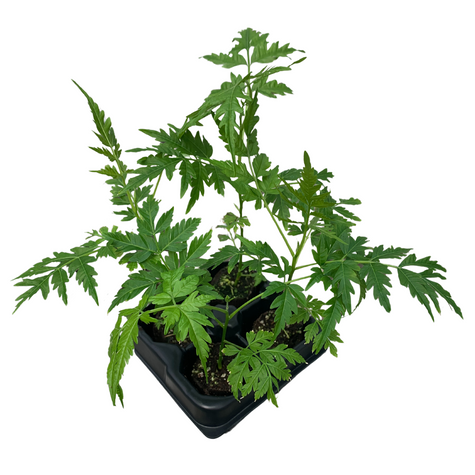
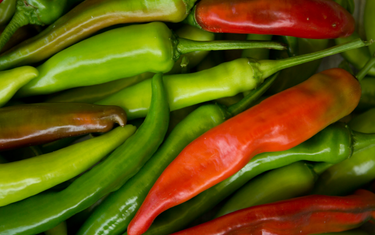
Peppers are a garden favorite for a reason, offering flavors that range from sweet and mild to fiery hot. Whether you prefer gentle heat or love a spicy kick, there’s a variety to suit your taste. In this article, we’ll cover the benefits of starting with transplants, highlight our full range of pepper varieties, and share key tips to help your plants thrive.
What Are Vegetable Starters?

Peppers can be grown from seed, but growing them successfully from scratch takes patience, timing, and the right conditions. Peppers are also one of the most heat-demanding vegetables you can grow. They need warm soil, warm air, and a long growing season to really hit their stride. In most parts of the country, that means you simply can't wait until it's warm outside to start them from seed.
Gardeners typically start peppers indoors 6-10 weeks before the last expected frost, timing it around - or just after - when they would start tomatoes. For growers in the Pacific Northwest, the Upper Midwest, or the Northeast, the season is short enough that getting peppers in the ground late, even by a couple of weeks, can noticeably impact your harvest.
Starter plants solve this problem. When you order from MicroStarts, you're getting plants that have already done much of that early development, giving you a significant head start on the season. Our pepper starters ship in staggered windows - late April, early May, late May, and early June - so you can choose the timing that aligns with your region's last frost date and local conditions.
What Peppers Should I Plant?
The simplest answer when choosing any edible plants: grow what you want to eat. If you reach for jalapeños every time you make salsa, start there. If you roast poblanos every fall for chile verde, plant those. Your pepper garden is most rewarding when it reflects how you actually cook.
That said, there are a few practical things worth thinking through before you pick your varieties.

- Days to maturity: Most peppers are ready to harvest 65-90 days after transplanting, with timing varying by variety. They can be picked at different stages - like a green versus a fully ripe red jalapeño - and many sweet peppers, such as bells, taste best when allowed to ripen fully. Keep these differences in mind, as they may extend the harvest window.
- Growing season: Peppers love heat and perform best where summers are long and warm. In northern climates with shorter seasons, prioritizing varieties with shorter days-to-maturity or focusing on high-productivity varieties will serve you well. In warm southern regions, virtually any pepper will thrive with minimal worry.
- Heat level: Peppers span an enormous range, from completely sweet bell peppers with zero heat to habaneros that will make your eyes water. Heat is measured in Scoville Heat Units (SHU). If you're growing for a household with mixed heat preferences, consider planting a combination of sweet and mildly hot varieties rather than doubling down on one end of the spectrum.
- Sweet vs. hot: It's worth noting that sweet and hot peppers are the same species and can cross-pollinate if grown in close proximity. If you're saving seeds, keep this in mind. For most home gardeners growing for fresh eating, it won't matter, but if you find your sweet peppers have a surprising kick one year, a nearby hot pepper the year before may be the culprit.
Our Pepper Varieties
We've put together a lineup that spans the full range from sweet and mild to seriously hot, with something for every type of cook and gardener. Compare our varieties at-a-glance below, with a deeper dive on each below.
| Variety | Mature Size | Harvest Dates | USDA Hardiness Zone | SHU | Fruit Description |
|---|---|---|---|---|---|
| Jalapeño Pepper | 18-24 inches | 66-70 days after planting | 4-10 | 2,500-8,000 SHU | Ripens from green to red, and grows 2-3 inches long. Flavor becomes deeper and sweeter as they mature |
| Serrano Pepper | 18-24 inches | 75-90 days after planting | 3-11 | 10,000-23,000 SHU | 1-2 inch fruits turn red as they mature, delivering crisp heat and bright taste |
| Cayenne Pepper | 22-30 inches | 70-85 days after planting | 4-10 | 30,000-50,000 SHU | Known for their smoky flavor |
| Habanero Pepper | 18-24 inches | 95-100 days after planting | 3-11 | 100,000-350,000 SHU | Fruits are 1-2 inches long and bright orange, packed with fruity flavor and a unique, smoky taste |
| Poblano Pepper | 18-24 inches | 65-75 days after planting | 3-11 | 1,000-1,500 SHU | Fruits are up to 4 inches long, green, and triangular to heart-shaped with a complex flavor |
| Anaheim Pepper | 24-36 inches | 80 days after planting | 3-11 | 500-2,500 SHU | Fruit turns from green to red, reaching 6-8 inches long. Offers a mild, slightly sweet flavor with mild spice |
| Sweet Banana Pepper | 18-24 inches | 65-72 days after planting | 3-11 | 0-500 SHU | Changes from yellow to orange as they mature, reaching 6-7 inches long, with a crisp, mild flavor |
| California Wonder Red Bell Pepper | 18-26 inches | 65-76 days after planting | 4-10 | 0 SHU | Fruits are 4-5 inches long and 3-4 inches wide, and sweeten as they ripen |
| Corno di Toro Pepper | 24-36 inches | 70-80 days after planting | 3-11 | 0-500 SHU | Fruits are 6-10 inches long, horn-shaped, and bright red to red-orange with a sweet, robust flavor |

Hot Peppers
Jalapeño

Heat Level: Mild-Medium (2,500-8,000 SHU)
Days to Harvest: 66-70 days
One of the most popular peppers in the United States, and for good reason! Jalapeños are versatile, productive, and easy to grow. The thick-walled fruits are typically harvested green, though they'll turn red if left on the plant longer and develop a slightly sweeter, more complex flavor. Use them fresh in salsas and guacamole, pickled for nachos, stuffed and grilled, or smoked and dried to make chipotle. If you're only growing one hot pepper, this is the one.
Serrano

Heat Level: Medium-Hot (10,000-23,000 SHU)
Days to Harvest: 75-90 days
A step up from jalapeño in both heat and flavor intensity. Serrano peppers are thin-walled and crisp, making them ideal for fresh applications like pico de gallo, hot sauces, and ceviche. They're smaller than jalapeños and pack considerably more punch, but the heat is clean and bright rather than lingering. Serrano plants are also highly productive: once they get going, you'll have more peppers than you know what to do with.
Cayenne

Heat Level: Hot (30,000-50,000 SHU)
Days to Harvest: 70-80 days
A workhorse of the hot pepper world. Cayenne peppers produce long, slender, curved fruits that dry exceptionally well, making them a natural choice for anyone who wants to grind their own spice. Fresh cayenne also adds serious heat to stir-fries, oils, and sauces. Plants are vigorous and productive, often reaching 2-3 feet tall with dozens of fruits per plant.
Habanero

Heat Level: Very Hot (100,000-350,000 SHU)
Days to Harvest: 95-100 days
Definitely not for the faint of heart, but genuinely rewarding for those who appreciate serious heat! Habaneros are small, lantern-shaped fruits with an unmistakably fruity, floral aroma that sets them apart from most other hot peppers. That tropical quality makes them exceptional in hot sauces and fruit salsas. Note that habaneros take a bit longer to mature than other varieties and need warm, consistent conditions to thrive, so plan accordingly if you're in a shorter-season region.
Mild and Sweet Peppers
Poblano

Heat Level: Very Mild (1,000-2,000 SHU)
Days to Harvest: 65-75 days
One of the most beloved peppers in Mexican cuisine, and an outstanding choice for the home garden. Poblano peppers are large, dark green, and thick-walled, with a mild, earthy flavor that deepens considerably when roasted. They are the go-to pepper for chiles rellenos and are the base of traditional chile verde. When fully ripened and dried, they become ancho chiles - a staple of mole and dried chile sauces.
Anaheim

Heat Level: Very Mild (500-2,500 SHU)
Days to Harvest: 80 days
A long, tapered pepper with gentle heat and crowd-pleasing versatility. Anaheim peppers are a staple of Southwestern cooking, showing up in everything from green chile stew and enchilada sauce to roasted chile dishes. Their mild flavor and meaty walls make them excellent for stuffing, roasting, or charring over an open flame. They're also one of the most approachable peppers for heat-sensitive cooks who still want a little something beyond sweet bell pepper.
Sweet Banana Pepper

Heat Level: None (0-500 SHU)
Days to Harvest: 65-72 days
A cheerful, prolific, and endlessly useful addition to the garden. Sweet banana peppers are long, yellow, and tapered, with a light, mild sweetness and thin walls that make them ideal for fresh eating, pickling, and sandwiches. They're a favorite for pepper rings in jars, pizza toppings, and deli-style antipasto. Plants are vigorous and heavy-bearing, often producing dozens of fruits throughout the season.
California Wonder Red Bell Pepper

Heat Level: None (0 SHU)
Days to Harvest: 65-76 days (red-ripe)
The classic bell pepper, grown to its full potential. California Wonder is a thick-walled, blocky variety that produces generous, four-lobed fruits. Harvested green, they have the familiar, slightly grassy flavor of a traditional bell pepper. Allowed to ripen fully to red, they become noticeably sweeter and more complex: worth the wait if you have the season for it! An essential variety for stir-fries, stuffed peppers, salads, and snacking.
Corno di Toro

Heat Level: Very Mild (0-500 SHU)
Days to Harvest: 70-80 days
Italian for "horn of the bull," this heirloom pepper is as striking as it sounds. Corno di Toro produces long, curved, tapered fruits - 6-10 inches long - that ripen from green to a vivid red or yellow depending on the strain. The flavor is sweet, rich, and noticeably more complex than a standard bell pepper. It's exceptional for roasting, grilling whole, or sautéing in olive oil. If you want a pepper that impresses at the table and in the garden, this is it.
Variety Packs
For gardeners who want to cover more ground without having to pick just one or two, we've put together three curated pepper starter packs, each designed around a specific theme or flavor profile.

Signature Pepper Starter Plant Variety Pack
Want it all? This is the pack for you. Our Signature selection brings together all nine varieties: Cayenne, Jalapeño, Serrano, and Habanero, on the hotter side and Poblano, Anaheim, Sweet Banana, California Wonder Red Bell, and Corno di Toro on the sweeter side. Whether you're stocking a salsa garden, a spice pantry, or just want to explore the full range of what peppers can be, this pack has you covered.
Sweet & Mild Pepper Starter Variety Pack
All the flavor, none of the fire. This pack is for gardeners and cooks who love peppers without the spice. It features mild Poblano, sweet Banana, classic California Wonder Red Bell, and long, rich Corno di Toro - perfect for family gardens, heat-sensitive households, or anyone seeking a dedicated sweet pepper harvest.
Hot & Spicy Pepper Starter Variety Pack
For heat lovers, this pack features four standout hot peppers, from approachable to intense. Jalapeño provides medium heat and thick, snackable flesh; Serrano delivers a bright kick; Cayenne adds smoky spice for drying; and Habanero brings fiery heat with tropical fruit notes. Grow all four for a full-season heat spectrum.
Pepper Care Tips
Peppers share some growing requirements with tomatoes but have a few key differences worth knowing. Here's what to keep in mind for a healthy, productive season.

Start with warm soil: Peppers are even more temperature-sensitive than tomatoes. They grow slowly and can stall in cold soil, and planting too early can set them back rather than getting them ahead. Wait until soil temperatures are consistently above 65°F (ideally closer to 70°F) before transplanting outdoors.
Harden off carefully: If your starters have been growing in a greenhouse or indoors, give them a transition period before moving them outside full-time. Set them in a sheltered spot for a few hours each day over the course of a week, gradually increasing their sun and wind exposure. Peppers can be particularly sensitive to the transition, and skipping this step often results in wilting, sunscald, or slowed growth.
Don't plant too deep: Unlike tomatoes, peppers don't benefit from deep planting. Transplant them at the same depth they were growing in their starter container, or just slightly deeper. Burying the stem is not advantageous for peppers and can invite rot.
Give them full sun: Peppers need at least 6-8 hours of direct sunlight daily. More is generally better, especially for hot varieties that rely on heat and light to develop their full flavor and color. In shadier conditions, plants will survive but produce fewer, slower-ripening fruits.

Water consistently: Like tomatoes, peppers prefer steady, even moisture rather than cycles of drought and saturation. Uneven watering is a common cause of blossom drop and misshapen fruit. Water deeply and infrequently, allowing the top inch of soil to dry slightly between waterings.
Fertilize with the season in mind: Early in the season, a balanced fertilizer supports healthy foliage and root development. Once plants begin flowering, shift to a formula lower in nitrogen and higher in phosphorus to direct energy toward fruit production rather than leafy growth. Peppers are also calcium-hungry - as with tomatoes, a calcium source can help prevent tip dieback and other nutrient-related issues.
Consider light pruning for airflow: Removing a few of the lowest leaves and any crossing or crowded branches can improve air circulation and reduce the risk of fungal issues, especially in humid climates. Some growers also pinch the first flowers of the season to encourage the plant to put energy into developing a stronger structure before it begins fruiting.
Provide support as needed: Most pepper plants are compact enough to stand on their own, but heavy-bearing varieties - particularly larger sweet peppers - can benefit from a simple stake or small cage as the fruits develop. This is especially true in areas with strong summer winds.
Conclusion
Whether you're planning a salsa garden, stocking your kitchen with roasting peppers, or building up a collection of homegrown dried spices, our pepper starters give you a strong, reliable foundation for the season. From mild and sweet to genuinely fiery, this lineup covers the full range of what a home pepper garden can be. Pre-orders are open now, with shipping windows staggered to match your region's planting schedule.
Not sure which varieties to choose? Our team is happy to point you toward the peppers that best fit your climate, your cooking style, and your heat tolerance.

