
This season, MicroStarts is proud to offer a selection of vegetable starters, beginning with tomatoes! If you've ever wanted to grow your own but weren't sure where to begin, this article is for you. We'll cover why vegetable starters are the smartest way to get your garden off to a strong start, introduce our handpicked variety selection, and share some tips for success.
What Are Vegetable Starters?
Most popular backyard vegetables - including tomatoes - can be grown from seed, unlike fruit trees, which typically require grafting or clonal propagation. However, growing seeds into healthy, food-producing plants isn't always straightforward, and tomatoes are a great example of why.

Most planting guides will tell you to put tomatoes in the ground shortly after your region's last frost. The catch is that tomatoes also need a long enough growing season for their fruit to fully ripen, and those two requirements can be hard to reconcile in colder climates. Frosts can occur in Upstate New York and Minnesota through late May, and in high mountain valleys of the Rocky Mountains as late as June. If you wait until after the last frost to start your plants, they simply won't have enough time to produce.
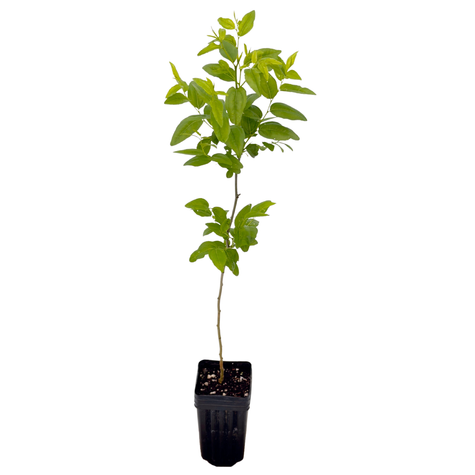
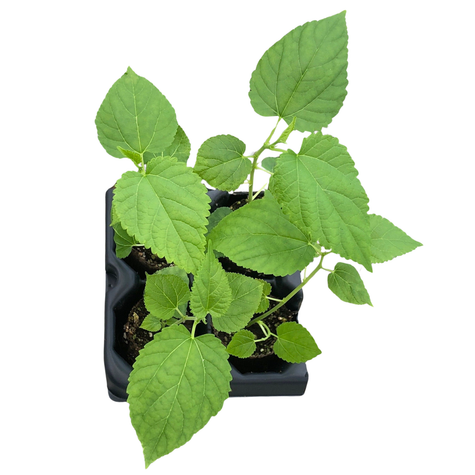
This is where starter plants (also called seedlings or transplants) come in. Many gardeners, especially in colder regions, start tomatoes indoors or in a greenhouse 6-8 weeks before the last expected frost. This gives the plants time to develop strong root systems and get a significant head start, so they're well on their way to fruiting by the time they go into the ground.
Since most of the United States is still a few weeks away from its last frost, MicroStarts is currently offering tomato plants for pre-order. Shipping windows are staggered to match different planting times, including late March, early April, late April, early May, and late May, so you can choose the timing that works best for your region.
What Tomatoes Should I Plant?

The most obvious answer: plant what you love to eat! Tomatoes come in a wide range of types, from sweet, snackable cherry tomatoes and rich saucing varieties to large, meaty beefsteaks perfect for salads and sandwiches.
That said, it's also worth matching your variety to your local growing season. Some tomatoes are ready to harvest in as few as 50-60 days, while others may need 90 days or more. For gardeners in California, Texas, or other warm southern regions, this usually isn't a concern, but for those in northern states with shorter summers, choosing a variety that fits your window can make or break your harvest.
It’s also helpful to consider growth habit when choosing varieties. Tomatoes are generally classified as determinate or indeterminate:
- Determinate varieties grow to a set size, produce most of their fruit over a short period, and then taper off. These are great if you want a large harvest all at once for canning, sauces, or sharing with friends. Many mid-sized and some cherry tomatoes fall into this category.
- Indeterminate varieties continue to grow and produce fruit throughout the season until frost. They often get taller and need more staking or support, but they reward gardeners with a steady supply of fresh tomatoes over a longer period. Most large heirlooms and many cherry tomatoes are indeterminate.
In general, larger tomatoes, heirlooms, and indeterminate varieties take longer to ripen than smaller, hybrid, or determinate types. Before choosing a variety, check the expected harvest time to make sure it fits your growing season and regional climate.
Our Tomato Varieties
When putting together our selection, the MicroStarts team wanted a mix of sizes, colors, and flavors that would appeal to a wide range of growers and palates. We've landed on a lineup of mostly heirloom varieties spanning succulent beefsteaks, versatile sauce tomatoes, and a rainbow of cherry types. Compare our varieties at-a-glance below, with a deeper dive on each below.
| Variety | Mature Size | Harvest Dates | USDA Hardiness Zone | Fruit Description |
|---|---|---|---|---|
| Red Beefsteak | Indeterminate (no maximum height) | 70-90 days after planting | 3-9 | Rich, deep red skin and a broad, slightly flattened round shape. Sweet, juicy, and mildly tangy |
| Patty's Yellow Striped Beefsteak | Indeterminate (no maximum height) | 70-90 days after planting | 3-11 | Golden yellow skin with red stripes. Sweet, mild flavor with low acidity |
| Valencia | Indeterminate (no maximum height) | 70-90 days after planting | 3-11 | Bright orange skin with sweet. Mild flavor |
| Pink Berkeley Tie-Dye | Indeterminate (no maximum height) | 70-90 days after planting | 3-11 | Large with blend of red, orange, green, and pink on their skin (creating a ‘tie-dye’ effect). Juicy with mild, low-acid flavor |
| Green Zebra | Indeterminate (no maximum height) | 70-90 days after planting | 3-10 | Small- to mid-sized with prominent green and greenish-yellow stripes. Snappy, moderately sweet, and lightly citrusy |
| Inca Jewels Container Roma Tomatoes | Determinate (3-3.5 foot maximum height) | 70-90 days after planting | 5-10 | Oblong red to orange jewel-toned fruits. Sweet with fewer seeds than similar tomatoes |
| Sungold | Indeterminate (no maximum height) | 60-70 days after planting | 3-11 | Round with glossy, golden-orange skin. Sweet, intensely fruity flavor |
| Yellow Pear | Indeterminate (no maximum height) | 65-75 days after planting | 3-11 | Small, bright yellow, and pear-shaped. Mild, sweet flavor |
| Black Cherry | Indeterminate (no maximum height) | 70-80 days after planting | 3-11 | Small, round fruits with deep brown to nearly black skin. Rich, sweet, complex flavor |
| Sweetheart Cherry | Indeterminate (no maximum height) | 65-75 days after planting | 3-11 | Bright red with heart-shaped silhouette. Tender and juicy with low acidity |
Big Slicer Heirloom Tomatoes
Red Beefsteak

Type: Indeterminate (no maximum height)
Time to Harvest: 70-90 days
A classic backyard tomato. Red Beefsteak is beloved for its generous size, meaty texture, and deeply satisfying flavor: sweet, juicy, and mildly tangy. When ripe, the fruits turn a rich, deep red and take on a broad, slightly flattened round shape. These are the tomatoes that make a BLT worth writing home about.
Patty's Yellow Striped Beefsteak

Type: Indeterminate (no maximum height)
Time to Harvest: 70-90 days
A show-stopper in the garden and on the plate. Patty's Yellow Striped Beefsteak produces large fruits with stunning golden-yellow skin and vivid red stripes. The flavor is sweet and mild with refreshingly low acidity, making it a wonderful choice for those who find red tomatoes a bit too sharp.
Valencia

Type: Indeterminate (no maximum height)
Time to Harvest: 70-90 days
If you're looking for something a little different, Valencia delivers. This heirloom produces bright orange fruits with a sweet, mild flavor that's approachable and versatile. It's a gorgeous addition to a Caprese salad or a fresh summer plate.
Pink Berkeley Tie-Dye

Type: Indeterminate (no maximum height)
Time to Harvest: 70-90 days
As eye-catching as its name suggests. Ripe Pink Berkeley Tie-Dye tomatoes are large and display a vibrant swirl of red, orange, green, and pink that genuinely resembles tie-dye. Beyond the looks, the fruit is juicy with a mild, low-acid flavor that makes it a pleasure to eat fresh off the vine.
Mid-Sized Tomatoes
Green Zebra

Type: Indeterminate (no maximum height)
Time to Harvest: 70-90 days
For the adventurous gardener. Green Zebra tomatoes are small- to mid-sized with striking green and greenish-yellow stripes - and yes, they're supposed to look like that when ripe! The flavor is snappy, moderately sweet, and lightly citrusy, giving them a bright, clean taste that stands out on a charcuterie board or in a salsa verde.
Inca Jewels Container Roma Tomatoes

Type: Determinate (3-3.5 foot maximum height)
Time to Harvest: 70-90 days
A compact, container-friendly Roma variety that punches above its weight. Inca Jewels tomatoes mature into oblong, jewel-toned fruits ranging from red to orange, and they're noticeably sweeter and less seedy than many traditional Romas. They are ideal for roasting, cooking down into sauce, or just snacking on straight from the plant.
Cherry Tomatoes
Sungold Cherry

Type: Indeterminate (no maximum height)
Time to Harvest: 60-70 days
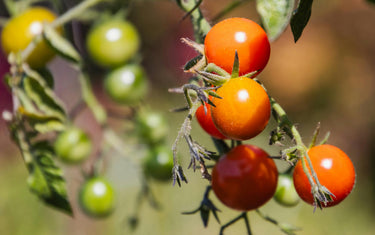
A beloved cherry tomato variety for good reason. Sungold produces clusters of round, golden-orange fruits with a sweet, intensely fruity flavor. Once you've grown Sungold, it's hard to go back to anything else.
Yellow Pear Cherry

Type: Indeterminate (no maximum height)
Time to Harvest: 65-75 days
Charming, prolific, and mild. Yellow Pear cherry tomatoes are small, bright yellow, and shaped like their namesake fruit. Their flavor is gentle and sweet, making them a great snacking tomato for kids and adults alike, and they add a whimsical touch to any salad.
Black Cherry

Type: Indeterminate (no maximum height)
Time to Harvest: 70-80 days
For those who like a little drama. Black Cherry tomatoes are small, round fruits with deep brown to nearly black skin and a rich, sweet, complex flavor that has more depth than many cherry tomato varieties. They're a favorite among tomato enthusiasts who want something beyond the ordinary.
Sweetheart Cherry

Type: Indeterminate (no maximum height)
Time to Harvest: 65-75 days
Lives up to its name in more ways than one. When ripe, Sweetheart Cherry tomatoes are bright red with a distinctive heart-shaped silhouette. The interior is tender and juicy with very little acidity, making them one of the most crowd-pleasing cherry tomatoes you can grow.
Variety Packs
For gardeners who love variety, we’ve created four tomato starter variety packs, each carefully selected to provide a mix of flavors, colors.

Cherry Tomato Starter Plant Variety Pack
Perfect for snacking and salads, this pack includes four popular cherry varieties: Sungold, Yellow Pear, Black Cherry, and Sweetheart Cherry. Enjoy a mix of colors, flavors, and fruiting times for a continuous harvest throughout the season.
Kitchen Essentials Tomato Starter Variety Pack
Designed for home cooks, this pack combines classic slicing and versatile varieties: Red Beefsteak, Valencia, Yellow Pear Cherry, and Black Cherry. These tomatoes are perfect for sandwiches, snacks, salads, and everything in between.
Heirloom Slicer Tomato Starter Plant Variety Pack
For gardeners who love bold flavors and beautiful heirlooms, this pack includes Red Beefsteak, Patty’s Yellow Striped Beefsteak, Valencia, and Pink Berkeley Tie-Dye. These large, colorful tomatoes are as stunning on the plate as they are in the garden.
Signature Tomato Starter Plant Variety Pack
Want a little bit of everything? Our Signature pack includes Red Beefsteak, Valencia, Pink Berkeley Tie-Dye, Sungold, Yellow Pear, Black Cherry, Sweetheart Cherry, Green Zebra, and Inca Jewels. This all-in-one selection gives you a wide range of sizes, colors, flavors, and growth habits, perfect for the gardener who wants it all.
Tomato Care Tips
Getting your tomato starters off to a strong start is easier than you might think. Here are a few tips to set yourself up for success:

Plant plugs in small pots: If you receive your starter plants a few weeks before the last frost date in your area, plant them in a small pot and keep them indoors. This will allow them to grow more roots and make them easier to care for while you wait for the soil outdoors to warm up. Keep your tomatoes in a sunny window or provide artificial light with a full spectrum bulb made for growing plants. If your plants arrive close to or after the last frost date in your area, skip to the hardening step.
Harden off before transplanting outdoors: If your starters have been growing indoors or in a greenhouse, they'll need a transition period before heading outside full-time. About a week before transplanting, begin setting them outside in a sheltered spot for a few hours each day, gradually increasing their exposure to sun and outdoor conditions. This helps them acclimate to outdoor conditions and prevents transplant shock and helps the plants adjust.
Wait for the right soil temperature: Tomatoes are warm-weather plants, and thrive when soil temperatures are consistently above 60°F (ideally closer to 70°F). Planting into cold soil can stunt growth and stress the plants even if air temperatures seem warm enough.
Plant deep: Tomatoes are one of the few plants that benefit from being buried below their original soil line. When transplanting your seedlings, remove the lower leaves and plant most of the stem in the soil, leaving only the top 2-4 inches above ground. They will grow additional roots from the portion of their stem that is buried. These extra roots will help your tomato plant grow stronger, stay upright, and use water more efficiently.

Give them support early: Whether you prefer cages, stakes, or trellises, put your support structures in place at or shortly after transplanting. Waiting until the plant is large and unwieldy makes it much harder to do without damaging the roots or stems.
Water consistently, not excessively: Tomatoes like steady moisture but don't want to sit in soggy soil. Aim for deep, infrequent watering rather than frequent shallow watering to encourage deeper root growth. Inconsistent watering (going from very dry to very wet) is one of the main causes of issues like blossom end rot and fruit cracking.
Feed at the right times: Early in the season, a balanced fertilizer helps support leafy growth. Once flowering begins, switch to a lower-nitrogen, higher-phosphorus formula to encourage fruiting rather than more foliage. Tomatoes need more calcium than many other plants, especially during fruiting. Whether you are going all organic with compost or using liquid fertilizer, be sure to provide them the calcium they need to prevent blossom end rot.
Conclusion
Whether you’re new to gardening or an experienced grower looking to explore new flavors, our tomato starters give you a head start on the season. From classic beefsteaks and sauce tomatoes to unique cherry varieties, there’s something to suit every taste and garden space. Pre-orders are open now, so you can reserve your plants and plan your planting schedule with confidence.
Not sure which variety is right for you? Our team of knowledgeable growers is happy to guide you. We can help you choose tomatoes based on flavor, size, growth habit, and your local growing conditions, so you can pick the perfect plants for a successful, productive garden.

