
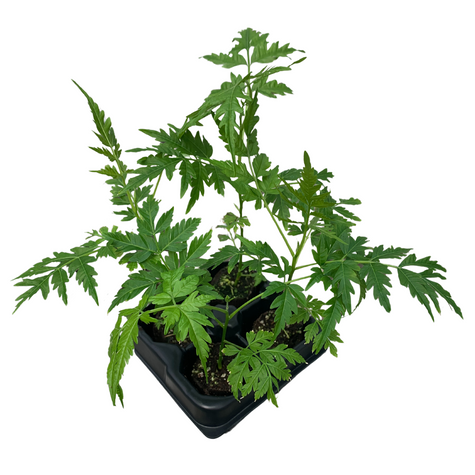
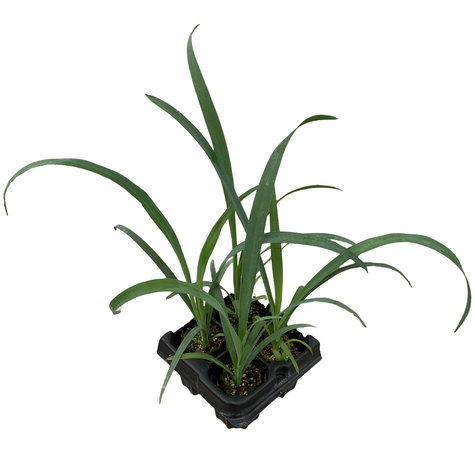
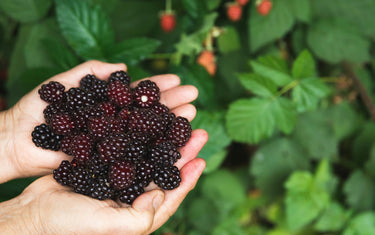
Blackberries are a productive and relatively easy fruit to grow in the home garden. With so many varieties available, though, it can be difficult to know where to start. This guide walks through the seven blackberry varieties MicroStarts offers - from berry size and flavor to cane type and harvest season - so you can choose the best plant for your garden, climate, and goals.

Key Blackberry Terms Defined
Before we take a look at individual varieties, let’s go over some key terms you should know about blackberries:
What is a primocane blackberry?
A primocane (also called "everbearing" or "fall-bearing") blackberry produces fruit on first-year canes. This means you can plant it and harvest berries in the very same growing season. With proper care, primocane varieties often yield two crops: one in summer on second-year canes, and one in fall on new first-year canes.
What is a floricane blackberry?
A floricane blackberry produces fruit only on second-year canes. New canes (primocanes) grow in year one, go dormant over winter, and then become fruiting canes (floricanes) in year two. Most traditional blackberry varieties are floricane types, producing a single, concentrated summer harvest.

What is a thornless blackberry?
A thornless blackberry has been bred to produce smooth, spine-free canes. This makes harvesting and pruning significantly easier and more comfortable, especially for families and beginner gardeners.
What does "upright" vs. "trailing" mean for blackberries?
Upright (erect) blackberries grow vertically and are largely self-supporting, though they still benefit from a simple trellis when loaded with fruit. Trailing blackberries produce long, flexible canes that sprawl and require a trellis or wire system to stay manageable.
What does "disease resistant" mean for blackberry plants?
Disease-resistant blackberry varieties have been bred to withstand common fungal and bacterial issues. This reduces the need for fungicide sprays and helps ensure a productive harvest season after season. The level of resistance and the specific diseases each variety can withstand vary, so it’s worth checking the details for the plants you choose.
Blackberry Variety Comparison at a Glance
| Variety | Thorns | Growth Habit | Berry Size | Harvest Window | First-Year Fruit | Unique Feature |
|---|---|---|---|---|---|---|
| Sweet-Ark Immaculate | Thornless | Upright | Medium-large | Late June - Mid0July | No (floricane) | High yield & disease resistance |
| Prime-Ark Traveler | Thornless | Upright | Large | Mid-June - Early July | Yes (primocane) | First-year fruit, earliest upright harvest |
| Kiowa | Thorny | Upright | Extra large | June | No (floricane) | Largest berries of any variety |
| Sweet-Ark Ponca | Thornless | Upright | Large | Mid-June - Mid-July | No (floricane) | Early ripening, exceptional sweetness |
| Sweet-Ark Caddo | Thornless | Upright | Large | Mid-June - Mid-July | No (floricane) | High yield, disease resistance |
| Snowbank | Thorny | Trailing | Medium-large | July | No (floricane) | Unique creamy-white berries |
| Prime-Ark Freedom | Thornless | Upright | Large | Early June - Early July | Yes (primocane) | Earliest ripening, one of the first thornless primocanes |
Blackberry Variety Spotlights
Now that we’ve covered key blackberry terms and reviewed the distinct characteristics of the varieties we offer, let’s take a closer look at each one and what makes it special.
Prime-Ark Freedom Blackberry

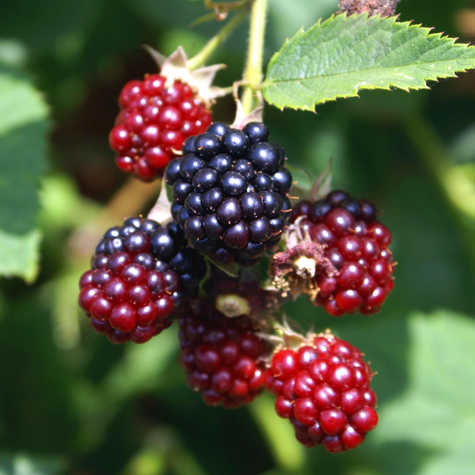
If you want to pick blackberries before your neighbors even know summer has started, Prime-Ark Freedom is your variety. It's the earliest ripener in our lineup, with berries ripening as soon as early June in some regions, and as a primocane variety, it can deliver that first harvest in its very first season. Freedom is everything a classic blackberry should be: large, glossy, deep black fruits with a sweet, rich flavor that's just as at home in a cobbler as it is eaten straight off the cane.
Prime-Ark Traveler Blackberry

Prime-Ark Traveler is a workhorse variety that delivers large, firm, sweet berries with minimal fuss. Like Freedom, it's a primocane variety that can produce fruit in its first year, and its upright, thornless canes keep harvesting comfortable and easy. Where Traveler distinguishes itself is in berry firmness and fresh-eating quality. Its berries hold their shape beautifully, making them ideal for farmers markets, fruit platters, and any application where presentation matters.
Sweet-Ark Ponca Blackberry

Ponca might just be the sweetest blackberry you've ever tasted. It's renowned for a flavor that's exceptionally sweet, even before berries reach peak ripeness, meaning there's very little margin for picking too early. Large, juicy, and beautiful on the vine, Ponca berries shine in everything from fresh eating to jams and baked goods that call for bold, pure blackberry flavor. Thornless canes and a tidy upright habit round out a variety that's easy to love from planting through harvest.
Sweet-Ark Caddo Blackberry

Sweet-Ark Caddo brings together two things home gardeners love: big, flavorful berries and a plant that doesn't give you trouble. Its strong disease resistance makes it a dependable choice for growers in humid climates or anyone who's lost plants to rust in the past. The berries are large and flavorful (excellent fresh or preserved) and the thornless, upright canes make maintenance and harvesting straightforward. Caddo shares its harvest window with Ponca, making them a natural pairing if you want to maximize mid-season production.
Sweet-Ark Immaculate Blackberry

Sweet-Ark Immaculate lives up to its name. High-yielding, disease resistant, and producing large, sweet, firm berries, it's one of the most well-rounded floricane varieties in our lineup. Its harvest window runs slightly later than most - late June through mid-July - making it a great variety to plant alongside earlier-ripening types to extend your season naturally. If you're looking for a thornless, upright blackberry that delivers abundance without demanding extra attention, Immaculate is hard to beat.
Kiowa Blackberry

Kiowa is unapologetically big. Their bushes are known for high yields, and their berries are some of the largest of any blackberry variety. The flavor matches the size: sweet, juicy, and bold. Kiowa is an upright variety that ripens in June, making it one of the earlier floricane types in the lineup. It's one of two varieties in our collection with thorns, so come harvest time, you'll want to wear long sleeves. However, if maximum berry size is your goal, there's nothing else to consider.
Snowbank Blackberry

While every other blackberry in this lineup produces the classic deep black fruit, Snowbank ripens to a creamy white. The flavor is pure blackberry: sweet, rich, and complex. It's a genuine conversation starter in the garden, at the table, and in any preserve or dessert where the unexpected white color does the talking. Snowbank is also the only trailing variety in our lineup, so it does require a trellis or fence for support - but once established, it's vigorous, disease resistant, and abundantly productive. If you want something that makes people stop and ask "wait, what IS that?", Snowbank is your answer.
Frequently Asked Questions About Blackberries
What is the sweetest blackberry variety?
Sweet-Ark Ponca is widely regarded as one of the sweetest blackberry varieties available. Its flavor is notably sweet even before berries reach full maturity, making it forgiving for new growers and great for fresh eating straight off the cane. Sweet-Ark Immaculate is another top contender for sweetness, pairing exceptional flavor with high yields and disease resistance.
Which blackberry variety produces the largest berries?

Kiowa is the standout for berry size. It consistently produces some of the largest, heaviest berries of any blackberry variety. If size matters most to you, Kiowa is your variety.
Which blackberry varieties produce fruit in the first year?
Prime-Ark Traveler and Prime-Ark Freedom are both primocane varieties, meaning they can produce fruit on first-year canes. Prime-Ark Freedom is also the earliest ripening variety in the lineup, with berries ready as soon as early June, while Prime-Ark Traveler begins fruiting in mid-June. Both are thornless, upright, and high-yielding, making them ideal picks for gardeners who want fruit fast.
What is the best thornless blackberry for beginners?
Prime-Ark Traveler and Prime-Ark Freedom are both excellent starter varieties for new growers. Both are thornless, upright, high-yielding, and low-maintenance, and as primocane varieties, both can produce fruit in their very first season. Prime-Ark Freedom has the earliest ripening period of any variety in our lineup, with berries ready as soon as early June.
What is the most unique blackberry variety?
Snowbank is in a class of its own. Unlike any other blackberry on this list, Snowbank produces creamy white berries. The unusual color makes it a real conversation piece, but the flavor is exactly what you’d expect from a great blackberry: sweet, rich, and satisfying. If you’re looking for a variety that makes both your garden and your charcuterie board stand out, Snowbank is a perfect choice.
Which blackberry varieties are best for baking, jams, and preserves?

All seven varieties work well for culinary use, but a few really shine in the kitchen:
- Kiowa - large, juicy berries with bold flavor that perform beautifully in cobblers, pies, and jams.
- Sweet-Ark Ponca - exceptional sweetness translates directly into preserves and desserts that need less added sugar.
- Prime-Ark Freedom - rich, glossy berries with classic blackberry flavor that make baked goods and preserves shine.
- Snowbank - a visually stunning choice for preserves, sauces, and desserts where color is part of the presentation.
Which blackberry varieties are most disease resistant?
Sweet-Ark Caddo, Sweet-Ark Immaculate, Snowbank, and Prime-Ark Freedom are all noted for strong disease resistance. For gardeners in humid climates or areas prone to fungal pressure, prioritizing disease-resistant varieties helps ensure consistent harvests without heavy chemical intervention.
What blackberry varieties are thornless?
Kiowa and Snowbank both have thorns. All of the other varieties MicroStarts offers are thornless. Both thorny varieties bring something exceptional to the table: Kiowa brings unmatched berry size, and Snowbank offers one-of-a-kind white berries. However, if easy, comfortable harvesting is your top priority, any of the five thornless varieties will serve you well.
Can I grow multiple blackberry varieties together?
Yes, and it's a great strategy! Blackberries are self-fertile, so you don't need multiple plants to get fruit. However, planting a mix of early, mid, and late-season varieties significantly extends your total harvest window. A combination of Prime-Ark Freedom (early June-early July), Sweet-Ark Ponca (mid-June-mid July), and Snowbank (July) gives you fresh blackberries from the start of June through the middle of July, though exact timing may vary depending on your region.

Do these blackberry varieties need a trellis?
It depends on the variety. Six of the seven varieties in our lineup are upright and largely self-supporting, though all will benefit from a simple two-wire trellis once canes are loaded with fruit. Snowbank is the exception. As a trailing variety, it requires a proper trellis or fence system to keep canes off the ground and make harvesting manageable. If you're planning to grow Snowbank, budget time to set up a trellis before planting.
Ready to Grow Your Own Blackberries?
Growing blackberries at home doesn't have to be complicated. Whether you're after the earliest possible harvest, the sweetest berry, the most impressive size, or something that genuinely stops people in their tracks, there's a variety in this lineup that's right for you.
Ready to get started? Browse our full collection of blackberry plants at MicroStarts! All of our varieties are propagated via tissue culture for the strongest, cleanest start possible. Want help choosing the right variety for your climate and goals? Reach out to our team at support@microstarts.com.

